 EN
EN

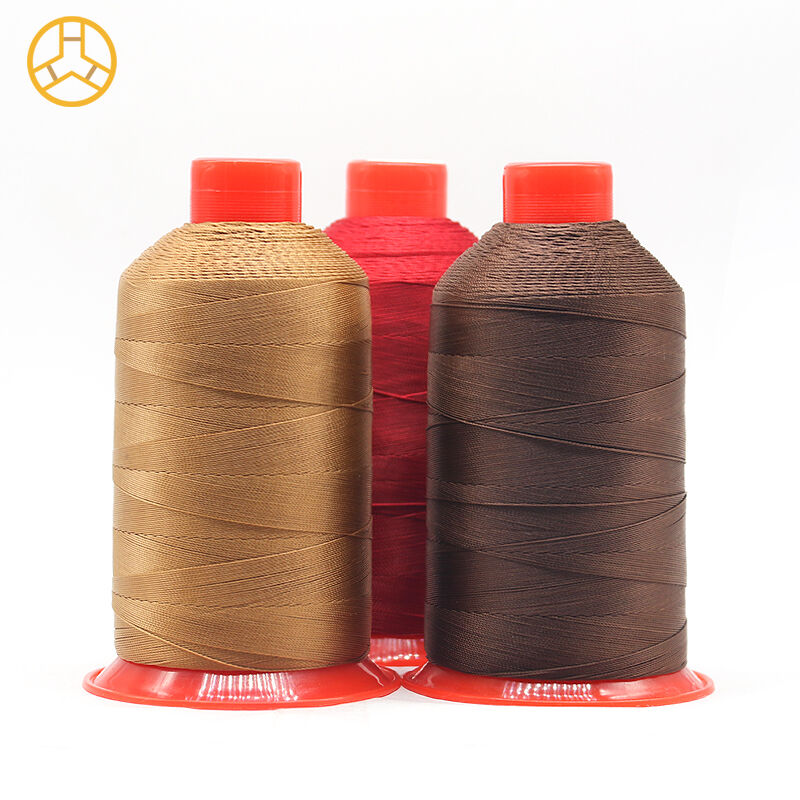
The global textile industry relies heavily on high-quality sewing threads to ensure durability and aesthetic appeal in finished garments. When sourcing spun polyester sewing thread for bulk garment export operations, manufacturers must navigate complex quality parameters that directly impact production efficiency and end-product performance. Understanding these critical evaluation criteria enables textile professionals to make informed purchasing decisions that optimize both cost-effectiveness and manufacturing outcomes.
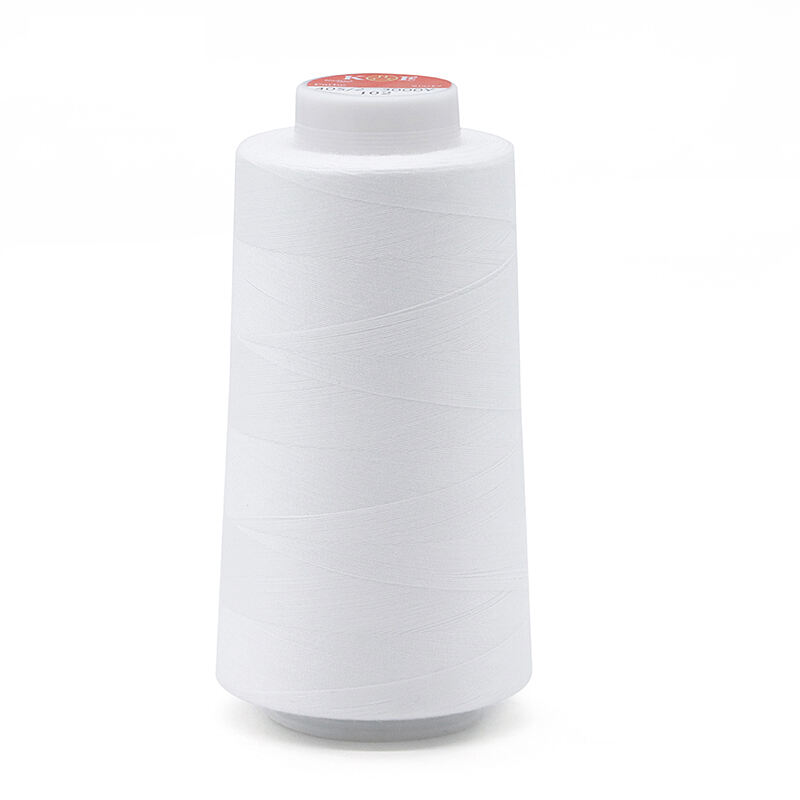
Quality assessment of spun polyester sewing thread involves multiple technical considerations that extend beyond basic visual inspection. Modern garment manufacturers operating in competitive export markets must establish rigorous evaluation protocols that address tensile strength, color consistency, and dimensional stability. These parameters become increasingly critical when dealing with high-volume production runs where thread performance variations can result in significant material waste and production delays.
The complexity of evaluating spun polyester sewing thread quality stems from the intricate manufacturing processes involved in polyester fiber production and subsequent spinning operations. Each stage of production introduces variables that can affect the final thread characteristics, making comprehensive quality assessment essential for maintaining consistent garment quality standards across large-scale export operations.
Physical Properties and Tensile Strength Analysis
Breaking Strength Requirements for Export Quality
Breaking strength represents one of the most fundamental quality indicators when evaluating spun polyester sewing thread for export applications. Industry standards typically require minimum breaking strength values ranging from 2000 to 4000 grams-force, depending on thread count and intended application. Export-quality spun polyester sewing thread must demonstrate consistent breaking strength across entire production lots to ensure uniform seam performance in finished garments.
Testing protocols for breaking strength evaluation involve systematic sampling procedures that account for potential variations within thread packages. Professional textile laboratories utilize calibrated tensometer equipment to measure breaking strength under standardized conditions, including controlled temperature, humidity, and loading rates. These measurements provide quantitative data that enables objective comparison between different spun polyester sewing thread suppliers and production batches.
Manufacturing defects such as thin spots, thick spots, or irregular twist distribution can significantly compromise breaking strength uniformity in spun polyester sewing thread. Quality control procedures must include statistical analysis of breaking strength test results to identify potential production issues that could affect downstream garment manufacturing processes.
Elongation and Elasticity Characteristics
Elongation properties of spun polyester sewing thread directly influence seam performance under stress conditions encountered during garment wear and care cycles. Export-quality thread typically exhibits elongation values between 15% and 25% at breaking point, providing optimal balance between seam flexibility and dimensional stability. Excessive elongation can lead to seam puckering, while insufficient elongation may result in seam failure under normal stress conditions.
Elastic recovery characteristics determine how effectively spun polyester sewing thread returns to its original length after stress removal. This property becomes particularly important in stretch garment applications where thread must accommodate fabric movement without compromising seam integrity. Quality evaluation procedures should include cyclic loading tests that simulate real-world stress conditions encountered during garment use.
Temperature effects on elongation properties require special consideration when sourcing spun polyester sewing thread for export to different climate zones. Thread performance can vary significantly under extreme temperature conditions, making it essential to verify elongation stability across expected operating temperature ranges.
Color Consistency and Fastness Properties
Colorimetric Evaluation Standards
Color consistency in spun polyester sewing thread requires precise measurement using standardized colorimetric procedures that account for metamerism and lighting conditions. Export-quality thread must demonstrate color differences (Delta E) of less than 1.0 between production lots to ensure visual consistency in finished garments. Professional color matching systems utilize spectrophotometer technology to provide objective color measurements that eliminate subjective visual assessment variations.
Dye penetration uniformity throughout spun polyester sewing thread cross-sections affects both color appearance and fade resistance. Quality evaluation procedures should include microscopic examination of thread cross-sections to verify complete dye penetration and identify potential color bleeding issues that could compromise garment appearance during manufacturing or subsequent care cycles.
Batch-to-batch color consistency becomes increasingly challenging with darker colors and specialty finishes commonly specified for export garments. Suppliers of spun polyester sewing thread must demonstrate robust color matching capabilities supported by calibrated dyeing equipment and comprehensive quality control procedures.
Colorfastness Testing Protocols
Colorfastness evaluation encompasses multiple test methods designed to simulate various conditions encountered during garment manufacturing, care, and use. Standard test procedures include colorfastness to washing, dry cleaning, light exposure, and perspiration, with specific requirements varying based on end-use applications and export market regulations. Spun polyester sewing thread must achieve minimum colorfastness ratings of Grade 4 for most commercial applications.
Light fastness testing becomes particularly critical for garments destined for outdoor applications or display in retail environments with intense lighting. Xenon arc fade testing provides accelerated evaluation of color stability under simulated sunlight conditions, enabling prediction of long-term color performance in spun polyester sewing thread applications.
Sublimation fastness represents a unique consideration for polyester-based materials, as elevated temperatures during pressing or finishing operations can cause dye migration. Quality assessment protocols must include sublimation testing at temperatures typically encountered during garment processing to ensure color stability throughout manufacturing operations.
Dimensional Stability and Shrinkage Control
Thermal Shrinkage Characteristics
Thermal shrinkage behavior of spun polyester sewing thread significantly impacts seam appearance and garment dimensional stability after heat-setting operations common in export garment manufacturing. Quality thread typically exhibits shrinkage values below 3% when exposed to temperatures up to 180°C for standard processing durations. Excessive shrinkage can cause seam puckering and dimensional distortion in finished garments.
Heat-setting parameters during spun polyester sewing thread manufacturing directly influence subsequent shrinkage characteristics. Properly heat-set thread demonstrates minimal dimensional change under normal garment processing conditions, while inadequately processed thread may exhibit significant shrinkage that compromises seam quality and garment appearance.
Testing protocols for thermal shrinkage evaluation involve exposure of thread samples to controlled temperature and time conditions followed by precise measurement of dimensional changes. These tests must simulate actual processing conditions encountered during garment manufacturing to provide relevant performance data for spun polyester sewing thread selection.
Moisture Absorption and Recovery
Moisture absorption characteristics of spun polyester sewing thread affect dimensional stability under varying humidity conditions encountered during shipping and storage of export garments. Low moisture absorption, typically less than 0.4% under standard atmospheric conditions, represents a key advantage of polyester-based threads compared to natural fiber alternatives.
Dimensional stability under cyclic moisture exposure requires evaluation through controlled humidity testing that simulates environmental conditions during international shipping. Spun polyester sewing thread must maintain consistent dimensions across multiple wet-dry cycles to ensure long-term seam performance in finished garments.
Recovery characteristics following moisture exposure determine how quickly spun polyester sewing thread returns to original dimensions after humidity variations. Rapid recovery minimizes temporary dimensional distortions that could affect garment fit and appearance during transition between different environmental conditions.
Surface Properties and Lubrication Systems
Friction Coefficient Measurements
Surface friction characteristics of spun polyester sewing thread directly impact sewing machine performance, particularly at high production speeds common in export manufacturing operations. Optimal friction coefficients range between 0.15 and 0.25, providing smooth thread passage through machine guides while maintaining adequate control for precise seam formation.
Lubrication systems applied to spun polyester sewing thread surfaces must provide consistent friction reduction without compromising thread integrity or introducing contamination that could affect subsequent dyeing or finishing operations. Silicone-based lubricants typically offer superior performance compared to mineral oil alternatives for high-speed sewing applications.
Friction coefficient stability throughout extended sewing operations requires evaluation under conditions that simulate continuous production environments. Thread samples must maintain consistent friction characteristics across entire package lengths to ensure uniform sewing performance throughout production runs.
Surface Defect Assessment
Visual inspection protocols for spun polyester sewing thread surface quality must address various defect categories including hairiness, slubs, thick places, and foreign matter contamination. Automated inspection systems utilizing high-resolution cameras and image processing algorithms provide objective defect detection capabilities that surpass manual inspection methods for high-volume applications.
Hairiness levels in spun polyester sewing thread significantly impact sewing performance and seam appearance. Standardized measurement techniques quantify hairiness using specialized equipment that counts protruding fibers within defined length segments, enabling objective comparison between different thread samples and production lots.
Foreign matter contamination represents a critical quality concern for export garments where appearance standards demand minimal visible defects. Detection protocols must identify various contamination types including metallic particles, vegetable matter, and synthetic debris that could compromise thread performance or garment aesthetics.
Chemical Resistance and Environmental Stability
pH Tolerance and Chemical Compatibility
Chemical resistance properties of spun polyester sewing thread determine suitability for various garment finishing processes commonly employed in export manufacturing. Thread must demonstrate stability across pH ranges from 4.0 to 9.0 to accommodate standard dyeing, finishing, and washing operations without degradation of physical or aesthetic properties.
Bleaching resistance becomes particularly important for white or light-colored spun polyester sewing thread used in garments requiring chlorine-based washing or sanitizing treatments. Quality thread maintains color stability and tensile strength after exposure to standard bleaching solutions used in commercial laundry operations.
Solvent resistance evaluation addresses compatibility with dry cleaning chemicals and spot removal treatments commonly encountered during garment care. Spun polyester sewing thread must maintain integrity when exposed to perchloroethylene, hydrocarbon solvents, and various cleaning agents used in professional garment care operations.
UV Degradation and Environmental Exposure
Ultraviolet radiation resistance of spun polyester sewing thread affects long-term performance in garments exposed to outdoor conditions or intense artificial lighting. Standard UV exposure testing provides accelerated evaluation of thread degradation under simulated sunlight conditions, enabling prediction of service life in various applications.
Antioxidant systems incorporated into spun polyester sewing thread formulations provide protection against thermal and oxidative degradation during extended storage or exposure to elevated temperatures. Quality thread maintains physical properties after exposure to accelerated aging conditions that simulate long-term storage effects.
Environmental stress testing encompasses exposure to various atmospheric pollutants and industrial chemicals that could affect thread performance in different geographic regions. Export garments may encounter diverse environmental conditions requiring comprehensive evaluation of spun polyester sewing thread stability under relevant exposure scenarios.
Package Quality and Presentation Standards
Winding Tension and Package Density
Package winding characteristics of spun polyester sewing thread significantly impact unwinding performance during high-speed sewing operations. Optimal winding tension produces uniform package density without excessive compression that could cause thread distortion or unwinding difficulties. Tension variations throughout package build-up must remain within narrow tolerances to ensure consistent sewing performance.
Package geometry specifications include cone angle, base diameter, and height dimensions that must conform to standard sewing machine requirements. Dimensional accuracy ensures proper fit in thread delivery systems while maintaining optimal unwinding angles that minimize thread tension variations during sewing operations.
Traverse distribution patterns during winding operations affect package stability and unwinding characteristics. Uniform traverse ensures even thread distribution across package length while preventing pattern winding that could cause unwinding difficulties or thread breaks during high-speed sewing operations using spun polyester sewing thread.
Labeling and Traceability Requirements
Product identification systems for spun polyester sewing thread packages must provide comprehensive information including thread count, color designation, lot identification, and manufacturing date. Clear, durable labeling enables proper inventory management and quality traceability throughout garment manufacturing operations.
Barcode systems facilitate automated inventory management and provide rapid access to detailed product information during receiving and production planning operations. Standardized barcode formats ensure compatibility with various inventory management systems used by export garment manufacturers.
Documentation packages accompanying spun polyester sewing thread shipments should include comprehensive quality certificates, test reports, and technical data sheets that verify compliance with specified requirements. Complete documentation enables verification of thread characteristics and supports quality assurance procedures throughout garment manufacturing operations.
FAQ
What are the most critical quality parameters when evaluating spun polyester sewing thread for export garments
The most critical quality parameters include breaking strength consistency, color fastness ratings, dimensional stability under heat exposure, and surface friction characteristics. Breaking strength should meet minimum values of 2000-4000 grams-force depending on thread count, while colorfastness must achieve Grade 4 ratings for washing and light exposure. Thermal shrinkage below 3% at processing temperatures and friction coefficients between 0.15-0.25 ensure optimal sewing performance in high-volume production environments.
How can manufacturers verify color consistency across different production lots of spun polyester sewing thread
Color consistency verification requires spectrophotometer measurements under standardized lighting conditions, with acceptable Delta E values below 1.0 between production lots. Manufacturers should establish color matching protocols that include multiple measurement points per package and statistical analysis of color variations. Visual assessment under various light sources complements instrumental measurements, while dye penetration evaluation through cross-sectional microscopy ensures uniform coloration throughout thread structure.
What testing methods provide the most reliable assessment of spun polyester sewing thread durability
Comprehensive durability assessment combines multiple testing approaches including tensile strength measurement, cyclic loading evaluation, abrasion resistance testing, and accelerated aging procedures. Tensile testing provides baseline strength data, while cyclic loading simulates seam stress conditions during garment use. Abrasion testing using standardized equipment evaluates surface wear resistance, and accelerated aging procedures predict long-term performance under various environmental conditions including UV exposure and thermal cycling.
How do package characteristics affect sewing performance with spun polyester sewing thread
Package characteristics directly impact unwinding performance and thread tension consistency during sewing operations. Proper winding tension creates uniform package density without excessive compression, while correct traverse patterns prevent pattern winding issues. Package geometry must conform to machine specifications for optimal thread delivery angles, and consistent package build ensures uniform unwinding throughout thread consumption. Poor package quality can cause thread breaks, tension variations, and reduced sewing speeds that significantly impact production efficiency.
Table of Contents
- Physical Properties and Tensile Strength Analysis
- Color Consistency and Fastness Properties
- Dimensional Stability and Shrinkage Control
- Surface Properties and Lubrication Systems
- Chemical Resistance and Environmental Stability
- Package Quality and Presentation Standards
-
FAQ
- What are the most critical quality parameters when evaluating spun polyester sewing thread for export garments
- How can manufacturers verify color consistency across different production lots of spun polyester sewing thread
- What testing methods provide the most reliable assessment of spun polyester sewing thread durability
- How do package characteristics affect sewing performance with spun polyester sewing thread