 EN
EN

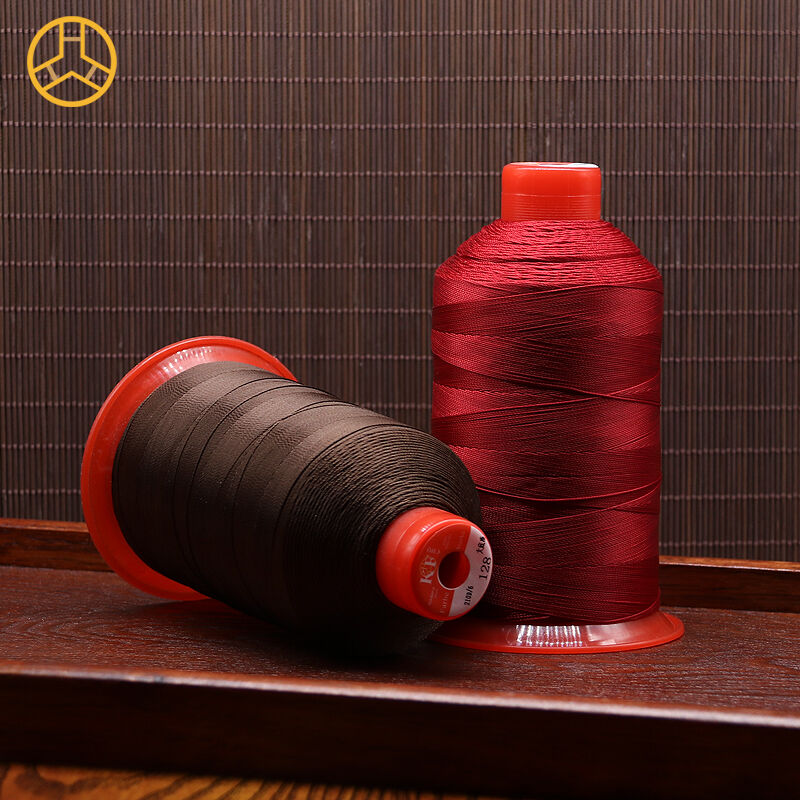
When it comes to stitching leather goods, automotive upholstery, marine seating, or heavy-duty furniture, the choice of thread is never trivial. The thread must endure constant tension, abrasion, exposure to oils, and years of mechanical stress without breaking, fraying, or losing its structural integrity. Among all the options available to professional craftspeople and industrial manufacturers, nylon thread for leather has consistently proven itself as a superior performer. Its combination of tensile strength, flexibility, and chemical resistance makes it uniquely well-suited for applications where conventional threads simply fall short.
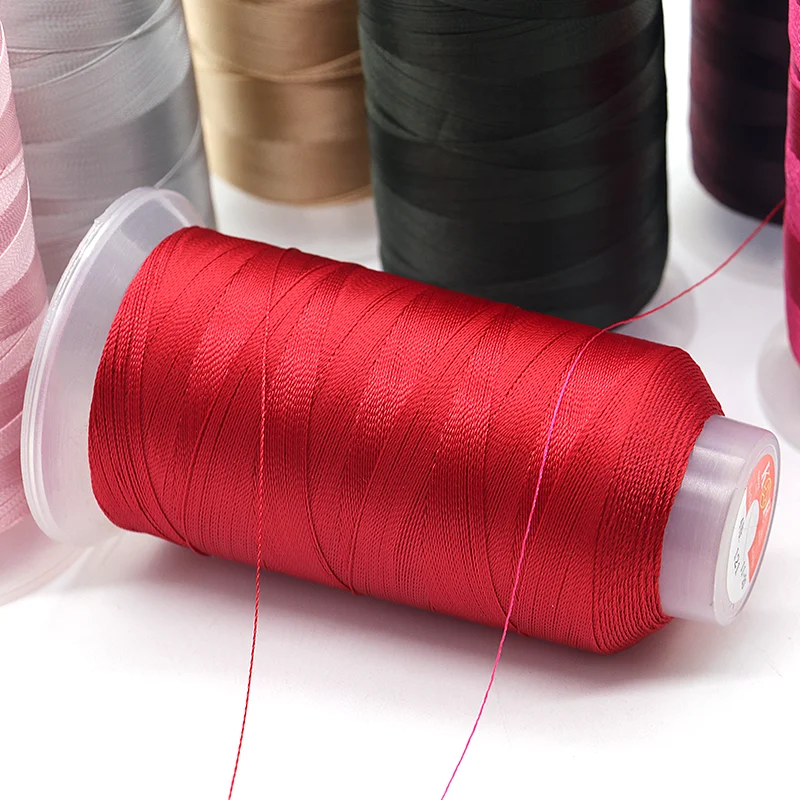
The industrial sewing and leatherworking sectors have long recognized that not all threads deliver the same durability under real-world conditions. Professionals who work with heavy hides, thick vinyl, layered canvas, or bonded leather composites understand that thread failure is not just an inconvenience — it can compromise the structural integrity of an entire product. This article explores exactly why nylon thread for leather stands above competing materials, how its mechanical and chemical properties translate into measurable performance benefits, and what factors professionals should consider when selecting the right thread for upholstery and leather sewing applications.
Understanding the Material Advantages of Nylon Thread
Tensile Strength and Load-Bearing Capacity
One of the most critical attributes any sewing thread must possess in leather and upholstery work is tensile strength — the capacity to resist breaking under applied load. Nylon thread for leather is engineered from polyamide fibers that are inherently high in tensile strength compared to natural fiber alternatives like cotton or linen. When stitching is subjected to repeated pulling, stretching, or sudden impact forces, nylon holds firm where weaker threads would snap.
In upholstery applications such as automotive seating or commercial furniture, seams endure thousands of cycles of compression and release over their service lives. The load distribution across stitched seams in these products is substantial, and the thread must maintain consistent strength throughout. Industrial-grade nylon thread for leather, particularly in sizes like T70 or 210D, is specifically designed to meet these demands, providing the backbone of seam integrity in both handcrafted and machine-sewn leather goods.
Beyond raw breaking strength, elongation before failure is another mechanical property where nylon excels. Rather than snapping suddenly under stress, nylon fiber stretches slightly before reaching its limit, absorbing energy and reducing the likelihood of catastrophic seam failure. This elastic behavior is particularly valuable in dynamic applications where leather or upholstery material flexes continuously.
Abrasion Resistance in High-Wear Environments
Leather and upholstery products are routinely exposed to frictional forces. Seating surfaces, bag straps, saddles, and footwear components all experience surface-level abrasion that gradually degrades stitching over time. Nylon thread for leather exhibits exceptional resistance to this kind of wear, largely because of its smooth fiber structure and resistance to mechanical degradation.
The surface characteristics of bonded nylon thread contribute directly to this abrasion resistance. A quality bonded finish applied to nylon thread for leather creates a cohesive outer layer that prevents individual filaments from fraying under friction. This bonded construction also helps the thread glide through leather easily during sewing, reducing needle heat and minimizing the risk of thread breakage during the sewing process itself.
For manufacturers producing goods intended for outdoor, marine, or heavy commercial use, the long-term durability of the stitching is a direct reflection of brand quality. Using a nylon thread for leather that resists abrasion ensures that seams outlast the rest of the product, maintaining both structural function and visual appeal over years of use.
Chemical and Environmental Resilience
Resistance to Moisture, Oils, and Chemicals
Leather goods and upholstered products are frequently exposed to moisture, perspiration, cleaning agents, and in industrial or outdoor settings, oils and UV radiation. Many thread materials degrade significantly under prolonged exposure to these elements. Cotton threads, for instance, are highly susceptible to moisture-induced rotting and mildew when used in environments with humidity fluctuations. Nylon thread for leather does not share this vulnerability.
The polyamide structure of nylon makes it inherently resistant to a wide range of chemicals including mild acids, bases, and common solvents encountered during leather treatment and upholstery production. This chemical resilience ensures that the thread does not weaken or discolor when exposed to leather conditioning oils, cleaning sprays, or the tanning chemicals that may be residual in certain hides.
In environments like marine upholstery, outdoor furniture, and equestrian equipment, moisture exposure is constant. Nylon thread for leather maintains its strength and dimensional stability in wet conditions, whereas threads with natural fiber content can swell, shrink, or lose up to a significant fraction of their breaking strength when saturated. For professional manufacturers, this reliability under wet conditions is not optional — it is essential to product longevity.
UV Stability and Outdoor Performance
Ultraviolet radiation is one of the most damaging environmental stressors for sewn products used outdoors. UV exposure causes photodegradation in many synthetic and natural fibers, leading to weakening, color fading, and eventual thread breakage. High-quality UV-resistant nylon thread for leather incorporates stabilizers that significantly slow this degradation process, making it the preferred choice for boat covers, convertible tops, outdoor furniture, and equestrian gear.
The difference between standard nylon thread and UV-stabilized nylon thread for leather becomes apparent after months of outdoor exposure. Products sewn with UV-resistant thread retain their seam strength and color consistency far longer, reducing warranty claims and customer dissatisfaction for manufacturers. This makes UV-stabilized nylon thread a sound long-term investment for any brand that values product reputation.
It is worth emphasizing that UV resistance in thread is not just about aesthetics. A visually intact seam that has lost internal fiber strength is a structural liability waiting to fail. Professional-grade nylon thread for leather is formulated to preserve both appearance and mechanical integrity under prolonged solar exposure, ensuring that outdoor products remain serviceable and safe throughout their intended lifecycle.
Why Nylon Outperforms Competing Thread Materials in Leather Sewing
Nylon versus Polyester Thread
Polyester thread is often positioned as a comparable alternative to nylon thread for leather, and while polyester does offer adequate performance in many sewing applications, the two materials have distinct differences that matter in leather and heavy upholstery work. Nylon is generally softer and more elastic than polyester, meaning it conforms more naturally to the shape of the leather seam and absorbs dynamic stress more effectively.
Polyester thread has slightly better UV resistance in its standard form compared to untreated nylon, but when UV stabilizers are incorporated into nylon thread for leather, this gap narrows considerably. In terms of tensile strength per unit diameter, nylon typically holds an advantage, which allows manufacturers to achieve strong seams using finer thread gauges without sacrificing performance — an important consideration in applications where thread visibility must be minimized.
The elongation characteristics of nylon give it a natural advantage in applications involving thick or stiff leather, where the seam may need to flex and recover without the thread cutting into the material. Nylon thread for leather acts as a gentle partner to the hide, stretching with it rather than against it — a property that polyester, with its lower elongation capacity, cannot fully replicate.
Nylon versus Natural Fiber Threads
Waxed linen thread has a long heritage in traditional leatherworking and continues to be used in artisanal applications. However, when evaluated against industrial performance standards, natural fiber threads including cotton and linen fall short of what nylon thread for leather can deliver. Natural fibers are susceptible to moisture-induced swelling and contraction, UV degradation, mold, and mildew — all of which undermine seam integrity over time.
While the visual texture of waxed linen may suit certain hand-stitched luxury goods, manufacturers producing leather products at scale or for functional outdoor use will find that nylon thread for leather offers dramatically better resistance to the environmental and mechanical stresses that real-world use imposes. The maintenance demands of naturally-threaded products are also higher, whereas nylon-stitched goods tend to require far less intervention to maintain seam integrity.
For high-volume B2B manufacturing operations, the consistency of nylon thread for leather is an additional advantage. Synthetic polyamide fibers are produced under controlled industrial conditions, resulting in uniform diameter, consistent strength, and predictable performance across every spool. Natural fiber threads, by contrast, can vary in quality depending on the raw material source, spinning process, and finishing treatment applied.
Practical Considerations for Selecting and Using Nylon Thread in Leather and Upholstery Projects
Thread Size and Weight Selection
Choosing the correct size of nylon thread for leather is as important as choosing the right material. Thread weight is typically expressed in denier (D) or ticket number (T), and the appropriate choice depends on the thickness and type of leather being sewn, the desired stitch appearance, and the mechanical demands of the finished product. For medium-weight upholstery and general leather goods, sizes in the range of 210D to T70 offer a well-balanced combination of strength, visibility, and sewability.
Heavier threads in the T90 to T135 range are appropriate for thick saddle leather, industrial harnesses, or marine applications where maximum seam strength is the primary concern. Finer gauges may be suitable for decorative stitching on garment leather or thin leather accessories where aesthetics are prioritized. Understanding these nuances ensures that the nylon thread for leather selected will perform optimally in the intended application without creating unnecessary challenges during machine sewing.
Needle size must also be matched to thread weight. Using an undersized needle with heavy nylon thread for leather creates excessive friction, overheating the thread and potentially degrading its strength before it even enters the seam. A properly matched needle-and-thread combination is fundamental to achieving clean, strong, consistent stitching in professional leather and upholstery work.
Machine Settings and Sewing Technique
Industrial sewing of leather and thick upholstery materials requires machines configured to handle the demands of heavy materials. When using nylon thread for leather, tension settings must be calibrated carefully to ensure that the thread does not break prematurely under excessive upper or lower tension, while still forming tight, consistent lock stitches. Loose tension results in weak seams, while excessive tension can cause the thread to snap or the leather to pucker.
Stitch length is another variable that significantly affects the performance of nylon thread for leather in finished goods. Shorter stitch lengths increase seam density and strength but can also perforate leather more aggressively, potentially weakening the material around the stitch line. Longer stitches are often preferable for heavy leather applications, balancing seam strength with material integrity.
Lubrication of the needle and thread path in industrial sewing machines also plays a role in maintaining thread quality during high-speed production. Heat generated by needle friction can weaken synthetic threads if not managed properly. Proper machine maintenance and the use of nylon thread for leather with a smooth bonded surface minimizes friction and heat accumulation, ensuring consistent seam quality throughout long production runs.
FAQ
What makes nylon thread for leather better than cotton thread for upholstery work?
Nylon thread for leather offers significantly higher tensile strength, better moisture resistance, and superior abrasion resistance compared to cotton thread. Cotton fibers can rot, mildew, and lose strength when exposed to humidity or moisture over time, making them a poor choice for upholstery applications that face environmental stress. Nylon's synthetic polyamide structure remains stable under these conditions, ensuring long-lasting seam integrity.
Is UV-resistant nylon thread for leather necessary for indoor furniture applications?
For purely indoor applications with minimal window light exposure, standard bonded nylon thread for leather typically provides adequate performance. However, for furniture placed near windows, in sunrooms, or in commercial settings with significant artificial UV sources, UV-stabilized nylon thread offers an added layer of protection against color fading and fiber degradation. For outdoor, marine, or automotive applications, UV resistance is essential rather than optional.
What thread size of nylon thread for leather is recommended for general upholstery work?
For general upholstery work involving medium-weight leather, vinyl, or fabric-backed materials, nylon thread for leather in the T70 or 210D size range is widely recommended by professionals. This weight provides a strong, visible stitch with good sewability on standard industrial upholstery machines. For heavier materials such as thick saddle leather or layered marine-grade upholstery, stepping up to a heavier thread size will provide better seam strength.
Can nylon thread for leather be used in both hand-sewing and machine-sewing applications?
Yes, nylon thread for leather is suitable for both hand-sewing and machine-sewing, though the specific product construction may differ. Machine-grade bonded nylon thread is optimized for high-speed industrial sewing with consistent tension and feed characteristics. For hand-sewing, finer or waxed versions of nylon thread for leather are available that allow craftspeople to pull stitches through thick leather manually without excessive resistance or tangling. Selecting the right product configuration for the intended method ensures the best results.
Table of Contents
- Understanding the Material Advantages of Nylon Thread
- Chemical and Environmental Resilience
- Why Nylon Outperforms Competing Thread Materials in Leather Sewing
- Practical Considerations for Selecting and Using Nylon Thread in Leather and Upholstery Projects
-
FAQ
- What makes nylon thread for leather better than cotton thread for upholstery work?
- Is UV-resistant nylon thread for leather necessary for indoor furniture applications?
- What thread size of nylon thread for leather is recommended for general upholstery work?
- Can nylon thread for leather be used in both hand-sewing and machine-sewing applications?