 EN
EN

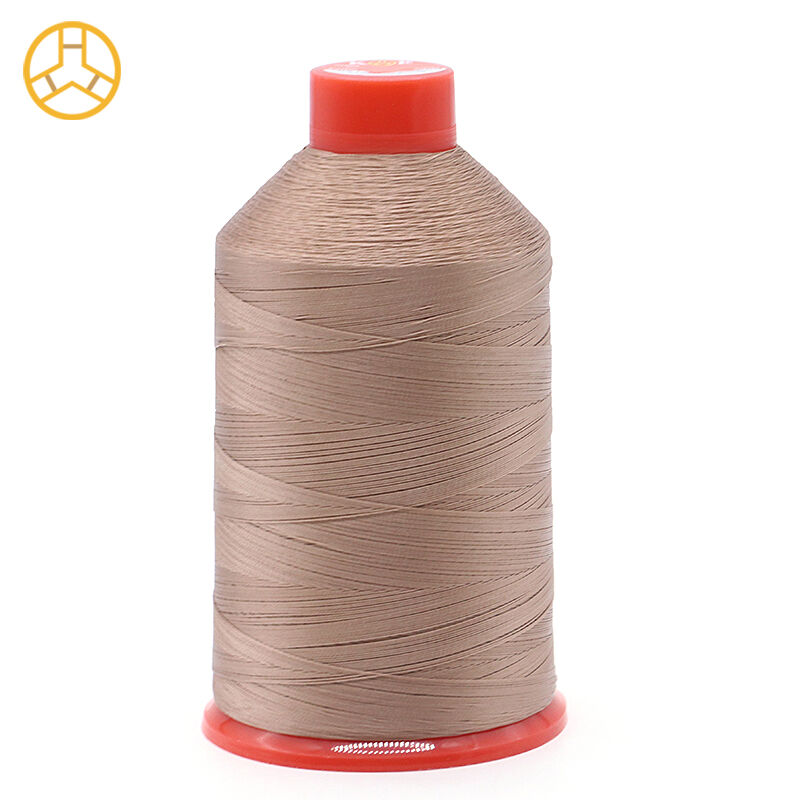
When outdoor gear faces the punishing combination of UV exposure, moisture, abrasion, and repeated mechanical stress, the integrity of every seam becomes a critical safety factor. The choice of thread is far from a trivial detail — it is one of the most decisive factors in whether a backpack, tent, harness, or tarp holds together under genuine field conditions. bonded thread has become the industry standard for demanding outdoor applications precisely because its construction directly addresses the fraying problems that standard thread cannot resist.
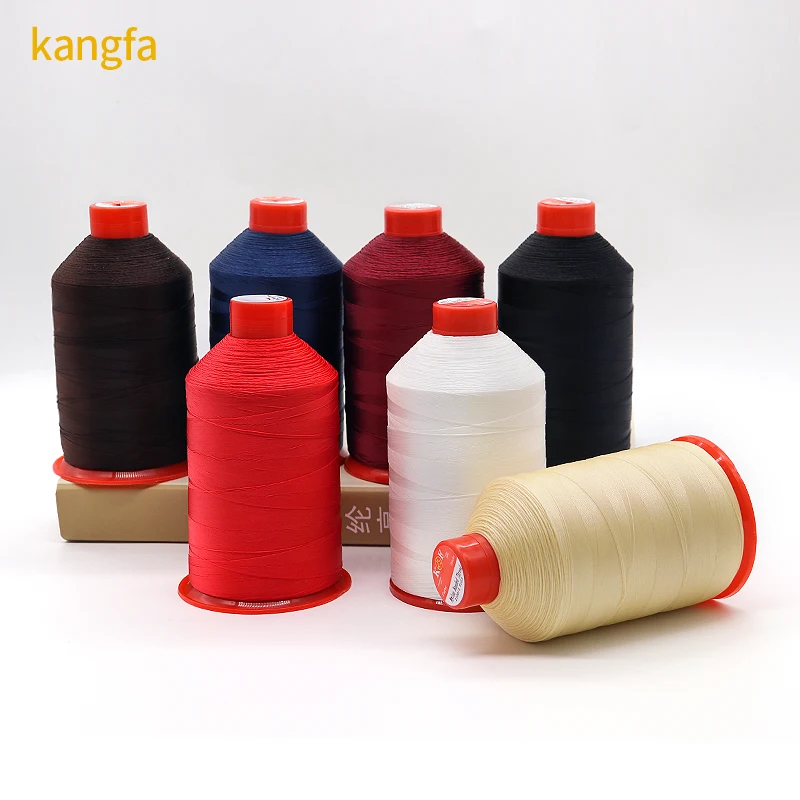
Understanding how bonded thread prevents fraying requires looking at both the physical construction of the thread and the specific mechanical stresses that outdoor gear endures during real-world use. This article breaks down the mechanism behind bonded thread's anti-fraying performance, explains why conventional alternatives fall short, and provides practical insight for manufacturers, product designers, and procurement specialists who need to make informed decisions about thread selection for high-stress applications.
The Mechanics of Fraying and Why It Matters in Outdoor Gear
What Causes Thread to Fray Under Stress
Fraying is the progressive breakdown of individual fibers at the thread's surface or cut ends, leading to loss of tensile strength and eventual seam failure. In standard uncoated thread, the individual filaments or staple fibers are held together primarily by twist. When subjected to repeated flexion, abrasion against hardware, or exposure to moisture and UV radiation, this twist structure begins to loosen. Once the outer fibers separate from the core, the degradation accelerates rapidly.
In outdoor gear, fraying is particularly dangerous because these products are expected to perform in environments where seam failure has real consequences. A frayed seam on a climbing harness, a load-bearing backpack strap, or a tent fly attachment point can compromise structural integrity at the worst possible moment. The forces involved — repeated tension cycles, dynamic loads, torsion, and friction against metal buckles or webbing — create exactly the conditions that accelerate fraying in weaker thread constructions.
Environmental exposure compounds the problem significantly. UV radiation degrades polymer chains in unprotected thread, making fibers brittle and more susceptible to mechanical breakdown. Moisture can cause certain fiber types to swell and then contract as they dry, weakening inter-fiber adhesion. When these environmental stressors combine with mechanical stress, uncoated thread can begin fraying within a single season of regular use.
Why High-Stress Points Accelerate Thread Degradation
Outdoor gear is not uniformly stressed. Load concentrations occur at specific zones — bar-tack reinforcements, D-ring attachments, zipper runs, grommet surrounds, and strap junction points. These are exactly the areas where thread must perform most reliably, and they are also the areas where fraying initiates most frequently. The thread at these locations is subject to both cyclic loading and localized abrasion as hardware moves against fabric.
The problem is made worse by the design reality that high-stress zones often require tight stitch densities, which means more thread is packed into a smaller area and subjected to more friction during needle penetration and during use. Standard thread at these points is essentially working against its own structural limitations, with each stitch cycle introducing micro-damage that accumulates over time into visible fraying and eventual seam separation.
This is why understanding the structural advantage of bonded thread is not merely academic — it is directly relevant to the longevity, safety, and performance reputation of finished outdoor products. Choosing the wrong thread type for these high-stress zones leads to warranty claims, product failures, and brand damage that far outweigh any savings made at the material sourcing stage.
How Bonded Thread Is Constructed to Resist Fraying
The Bonding Process and Its Anti-Fraying Function
Bonded thread is manufactured by applying a bonding resin or polymer coating to a multi-filament yarn after the twisting or braiding process. This coating penetrates between the individual filaments and, when cured, creates a unified structure in which fibers are locked together rather than held loosely by twist alone. The result is a thread that behaves more like a single cohesive unit than a bundle of individual strands.
This bonding layer is the direct mechanical answer to fraying. When the thread is cut or when individual filaments at the surface are subjected to abrasion, the bonding resin prevents the classic cascade of fiber separation. The filaments cannot splay outward because they are adhered to their neighbors. This containment of surface fibers means that even threads exposed to aggressive abrasion conditions maintain a clean, intact cross-section for a significantly longer service life.
In practice, the bonding process also improves the thread's resistance to moisture penetration. The resin coating acts as a partial barrier, reducing the degree to which water infiltrates the inter-filament spaces. This is particularly important for nylon bonded thread used in outdoor gear, where repeated wet-dry cycles would otherwise cause progressive fiber weakening. The bonded construction allows the thread to maintain its tensile properties even after extended exposure to rain, humidity, and submersion conditions.
Nylon as the Preferred Base Fiber for Outdoor Bonded Thread
While bonded thread can be produced from several base fibers, nylon is overwhelmingly the preferred choice for high-stress outdoor applications. Nylon's inherent elasticity — its ability to stretch slightly under load and return to its original length — gives bonded thread made from nylon a unique advantage in dynamic loading scenarios. Seams sewn with nylon bonded thread can absorb shock loads without the thread snapping, which is a critical property in gear that may experience sudden jerks, drops, or impact forces.
Nylon also has excellent inherent abrasion resistance at the fiber level, which when combined with the bonding coating creates a double layer of protection. The fiber resists cutting and surface wear, while the bonding resin prevents the separation of filaments that abrasion initiates. This synergy between base fiber properties and the bonding process is why nylon bonded thread consistently outperforms both uncoated nylon and bonded versions of less resilient base fibers in field applications.
For products that will face intense UV exposure — such as outdoor furniture, marine gear, awnings, and backpacks used in high-altitude or equatorial environments — UV-resistant nylon bonded thread adds a further layer of protection by stabilizing the polymer chains against photo-oxidative degradation. This ensures that the thread retains both its anti-fraying structural integrity and its tensile strength over a product's intended lifespan.
Performance Advantages of Bonded Thread Across Outdoor Gear Categories
Packs, Bags, and Load-Bearing Straps
In backpacks, duffel bags, and technical carrying systems, bonded thread is indispensable at shoulder strap attachments, hip belt panels, and back panel junction seams. These are the highest-load zones in any pack design, where cumulative stress over a product's life can easily reach tens of thousands of load cycles. The anti-fraying properties of bonded thread at these seams directly translate to longer product life and reduced seam reinforcement requirements during manufacturing.
Bar-tack stitching — the dense, zigzag stitch pattern used to reinforce stress points — places extraordinary demand on thread. The needle passes through the same zone many times, creating heat from friction and compressing the thread tightly. Bonded thread handles this process without significant surface damage because the bonding coating also acts as a mild lubricant during needle penetration, reducing friction-induced heat at the stitch formation point.
This lubricity benefit of bonded thread is frequently overlooked but practically important. Manufacturers who switch to bonded thread in high-density stitch applications often report reduced needle breakage rates and more consistent stitch formation, which improves production efficiency alongside the end-product quality improvements that the thread's anti-fraying properties deliver.
Tents, Tarps, and Shelter Systems
Shelter systems present a different but equally demanding set of requirements. Seam integrity in tents and tarps must be maintained under constant UV bombardment, repeated wind loading, and the abrasion that occurs when panels flex against each other or against poles and stakes. Bonded thread in these applications must resist not only fraying at exposed cut ends but also the kind of inter-filament loosening that causes thread to lose its watertight seam characteristics over time.
Flat-felled seams and lap seams used in tent fly construction are specifically designed to be loaded in tension. When the thread in these seams begins to fray, the seam allowance fabric starts to pull through the stitch holes, and the entire seam structure begins to degrade faster than the thread alone would suggest. Using bonded thread in these seams significantly delays this chain-reaction degradation by maintaining thread cross-section integrity under tension.
The combination of UV resistance and anti-fraying performance in high-quality bonded thread is particularly valuable in shelter manufacturing because these products are expected to maintain performance for seasons or years of outdoor exposure. Products using inferior thread may appear adequate initially but fail prematurely, creating costly warranty returns and reputation damage that manufacturers operating in competitive outdoor markets cannot afford.
Safety-Critical Gear Including Harnesses and Straps
For fall-arrest harnesses, anchor straps, load lifters, and similar safety-critical gear, bonded thread is not simply preferred — it is effectively required by the performance expectations of certification standards. The retention of tensile strength after aging and abrasion cycles is a tested parameter in many safety gear standards, and bonded thread's structural resistance to fraying is a key enabler of meeting these requirements across the product's certified service life.
In this category, the relationship between fraying prevention and safety is most direct. A visibly frayed seam on a safety harness is an immediate rejection criterion during inspection. Bonded thread's ability to maintain a clean, intact surface even after extended use provides not only functional durability but also the visual evidence of integrity that inspectors and users rely on to assess whether equipment is safe to use.
Manufacturers of safety gear who specify bonded thread in their sewing specifications are making a decision that affects certification outcomes, liability exposure, and the real-world safety of end users. The anti-fraying performance of bonded thread in these applications is not a marketing claim — it is a measurable, testable, documentable performance characteristic that directly supports the safety case for the finished product.
Selecting the Right Bonded Thread Specification for Outdoor Applications
Thread Weight, Tex Count, and Stitch Density Matching
Bonded thread is available across a wide range of weights, typically described by Tex count, which measures the weight in grams of 1000 meters of thread. Selecting the right Tex count for a specific outdoor application requires balancing several factors: the weight of the base fabric, the required seam strength, the stitch type being used, and the machinery needle size available. Using bonded thread that is too heavy for a given fabric results in needle penetration damage and fabric puckering; using thread that is too light results in insufficient seam strength regardless of the anti-fraying properties.
For most heavy outdoor fabrics such as Cordura nylons, canvas, and technical woven polyesters, bonded thread in the Tex 70 to Tex 90 range provides an excellent balance of workability and strength. This specification range delivers the anti-fraying performance and tensile retention needed for load-bearing seams while remaining compatible with the needle sizes and machine tensions typically used in outdoor gear production. The thread's bonded construction at this weight delivers seam strength that supports the demanding test requirements of technical outdoor products.
When specifying bonded thread for a new product, it is also important to consider how thread weight interacts with stitch density. At high stitch densities, heavier thread accumulates more quickly in the seam allowance, which can create stiffness or cause the fabric to distort. Working with a thread supplier to identify the optimal weight for each specific seam type in a product — rather than specifying a single thread weight across all seams — is a practice that consistently improves both manufacturing efficiency and finished product performance.
UV Resistance Ratings and Long-Term Performance Expectations
Not all bonded thread is formulated for equivalent UV resistance. In outdoor gear applications where the thread will be directly exposed to sunlight — such as external seams on packs, tent fly stitching, awning seams, and webbing attachments — specifying bonded thread with tested UV resistance is essential to maintaining the anti-fraying and tensile properties over the product's service life.
UV degradation in thread operates by breaking down the polymer backbone of the fiber, making it brittle and reducing the elongation at break — exactly the property that gives nylon bonded thread its shock-absorbing advantage. UV-stabilized bonded thread incorporates either UV absorbers or hindered amine light stabilizers in the fiber or the bonding resin formulation, significantly extending the period over which the thread retains its mechanical properties under sunlight exposure.
When evaluating bonded thread options for UV-exposed applications, ask suppliers for accelerated weathering test data — typically reported as hours of exposure in a xenon arc or UV fluorescent test chamber — rather than relying solely on general claims of UV resistance. Quantified test data allows manufacturers to align thread selection with the actual service life expectations for their products and provides defensible documentation for warranty claims or certification submissions.
FAQ
What is the difference between bonded thread and regular polyester or nylon thread?
Regular polyester or nylon thread is held together primarily by the twist imparted during spinning. Bonded thread uses a polymer resin coating applied after twisting to lock the individual filaments together into a unified structure. This bonding process is what gives bonded thread its anti-fraying properties — the filaments cannot splay or separate because they are adhered to each other, whereas the filaments in standard thread are free to separate when the surface is abraded or when the thread end is cut.
Can bonded thread be used in standard industrial sewing machines?
Yes, bonded thread is designed for use in standard industrial sewing machines including lockstitch, chainstitch, and bar-tack machines. The bonding resin coating actually provides mild lubrication that reduces friction during needle penetration and thread path travel, which can reduce needle heat and thread breakage rates compared to uncoated thread of equivalent weight. The key requirement is matching the thread weight (Tex count) to the needle size and machine tension settings appropriate for the fabric being sewn.
How does bonded thread perform in wet conditions encountered during outdoor use?
Bonded thread performs significantly better than uncoated thread in wet conditions. The resin coating acts as a partial moisture barrier, reducing the degree to which water penetrates between filaments and causes fiber swelling and subsequent weakening. Nylon bonded thread in particular retains a higher proportion of its dry tensile strength when wet compared to uncoated nylon thread, making it well-suited to marine, rain gear, and other applications where the thread will experience repeated wet-dry cycles.
Does the color of bonded thread affect its UV resistance or anti-fraying performance?
Thread color can influence UV performance. Darker pigments, particularly carbon black-based pigments used in black thread, provide inherent UV shielding that contributes to UV resistance beyond what the fiber and bonding resin alone deliver. Lighter colors, especially whites and pastels, may require more robust UV stabilizer formulations to achieve equivalent UV resistance. When UV performance is critical, specifying thread with documented UV stabilization in both the fiber and the bonding resin — regardless of color — is the most reliable approach rather than relying on pigment effects alone.
Table of Contents
- The Mechanics of Fraying and Why It Matters in Outdoor Gear
- How Bonded Thread Is Constructed to Resist Fraying
- Performance Advantages of Bonded Thread Across Outdoor Gear Categories
- Selecting the Right Bonded Thread Specification for Outdoor Applications
-
FAQ
- What is the difference between bonded thread and regular polyester or nylon thread?
- Can bonded thread be used in standard industrial sewing machines?
- How does bonded thread perform in wet conditions encountered during outdoor use?
- Does the color of bonded thread affect its UV resistance or anti-fraying performance?