 EN
EN

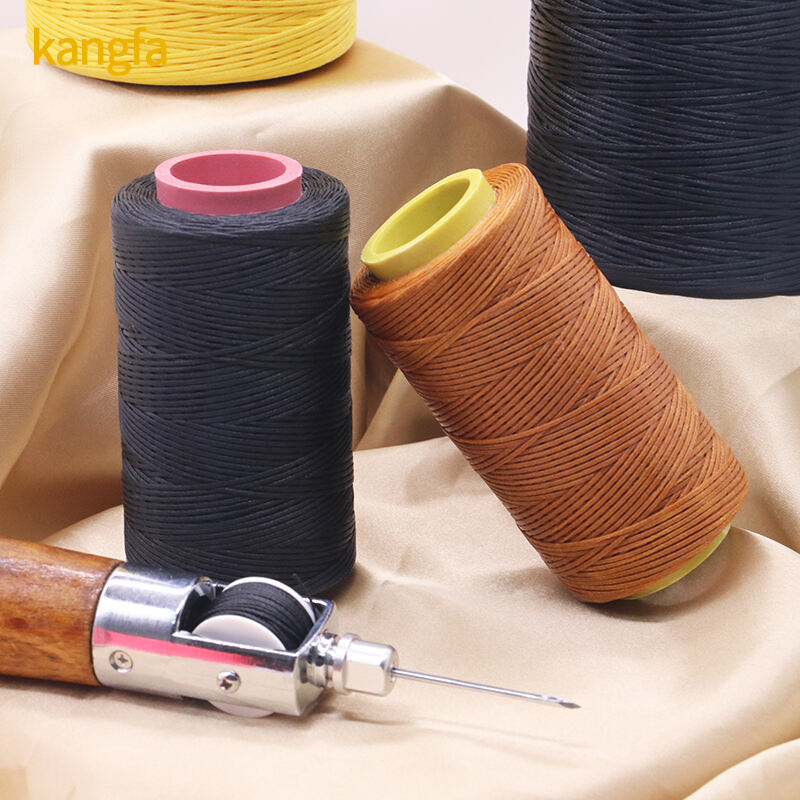
In the world of luxury fashion and high-end textile craftsmanship, every component of a garment carries weight — sometimes quite literally. Among the most overlooked yet most consequential of those components is embroidery thread. While the cut of a jacket or the weave of a fabric often commands attention, the thread used to embroider decorative elements, logos, monograms, and intricate patterns quietly determines whether a luxury piece will age gracefully or deteriorate prematurely. The quality of embroidery thread is not a secondary consideration; it is a foundational one.
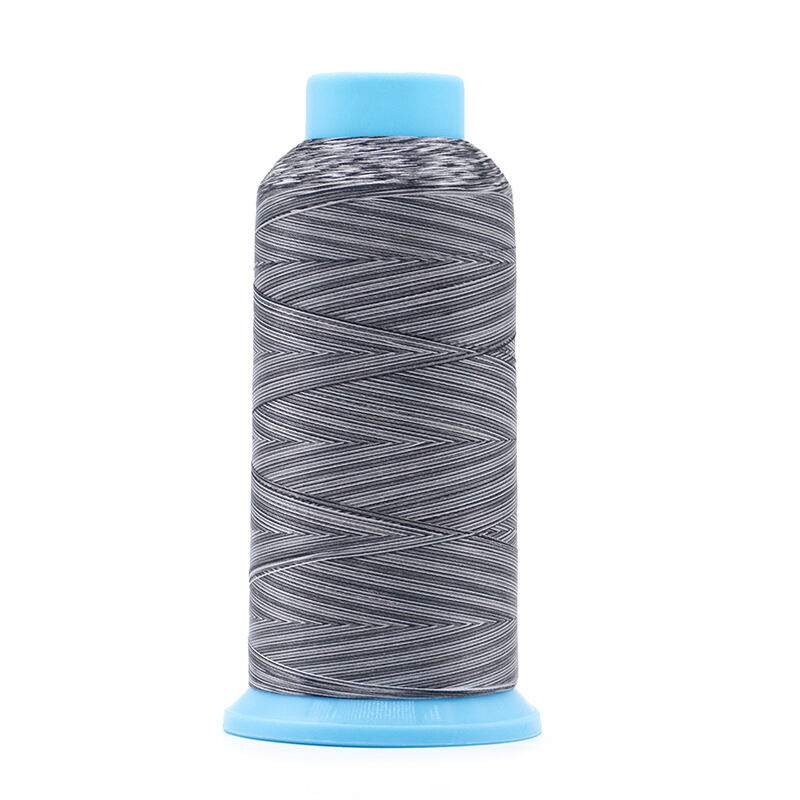
Luxury garments represent a significant investment — both for the brands that produce them and the consumers who purchase them. When a premium jacket, couture gown, or hand-finished silk blouse begins to show signs of fraying embroidery, color fading, or thread breakage after just a few seasons, the perceived value of the entire piece collapses. Understanding why embroidery thread quality is so critical to garment longevity is essential knowledge for designers, manufacturers, and sourcing professionals who operate in the luxury segment.
The Relationship Between Thread Composition and Garment Durability
Material Composition as the Starting Point
The raw material from which embroidery thread is made is the single most influential factor in its performance over time. High-quality embroidery thread sourced from long-staple cotton, mercerized fibers, or premium polyester carries structural advantages that translate directly into garment durability. Long-staple fibers produce a smoother, more uniform strand that resists pilling and fiber breakdown far better than short-staple alternatives. In luxury garments, where embroidery is expected to remain crisp and vibrant for years or even decades, this difference is not marginal — it is decisive.
Mercerized cotton embroidery thread, for instance, undergoes a chemical treatment process that aligns the cellulose fibers, increases luster, and significantly enhances tensile strength. This process directly contributes to the thread's ability to withstand repeated washing, friction, and environmental exposure without losing its appearance or structural integrity. By contrast, low-grade embroidery thread made from short-staple fibers or inadequately treated materials will begin to degrade under the same conditions, visibly aging the embroidered section of the garment while the surrounding fabric may still look new.
Polyester embroidery thread, when produced to high manufacturing standards, offers an excellent combination of colorfastness, strength, and resistance to moisture and UV degradation. For luxury sportswear, outerwear, or performance-oriented fashion, premium polyester embroidery thread often outperforms its natural counterparts precisely because it maintains its mechanical and aesthetic properties across a broader range of environmental stressors. The key lies not in the material type alone, but in the quality of production and the consistency of raw material sourcing.
Twist Count and Ply Structure
Beyond raw material, the structural architecture of embroidery thread — specifically its twist count and ply configuration — plays a critical role in how it performs on a luxury garment over time. Twist count refers to the number of twists per unit length in the strand, and this determines how tightly the thread is bound together. A properly balanced twist count ensures that the embroidery thread maintains its form during the embroidery process and retains that form throughout the garment's lifecycle.
Multi-ply embroidery thread, where several individual strands are twisted together, distributes stress across the combined structure rather than concentrating it in a single fiber. This is particularly important for densely embroidered areas on luxury garments, where the thread must survive both the mechanical tension of the embroidery process and the ongoing physical stress of wearing, folding, and cleaning. Low-ply or poorly twisted embroidery thread tends to unravel, snag, or break at stress points — often the most visually prominent areas of the design.
Luxury fashion houses and bespoke garment producers understand that specifying the correct ply structure for each application is part of responsible craftsmanship. A delicate floral motif on a silk blouse demands a different embroidery thread configuration than a bold heraldic crest on a wool blazer. Matching thread architecture to application requirements is what separates technically competent embroidery from embroidery that truly endures.
Colorfastness and Visual Integrity Over Time
Dye Quality and Its Impact on Luxury Perception
The visual dimension of embroidery thread quality is inseparable from the concept of luxury. A garment may be impeccably cut and sewn from the finest fabric, but if the embroidered elements fade, bleed, or shift in tone after the first few washes, the overall luxury experience is compromised. Colorfastness — the ability of embroidery thread to retain its dye under exposure to light, washing, perspiration, and friction — is therefore a non-negotiable quality criterion for any thread used in high-end garment production.
Premium embroidery thread is dyed using reactive or vat dye processes that form molecular bonds with the fiber structure rather than simply coating the surface. This bond is far more resistant to the conditions that cause color loss in lower-grade threads. Surface-dyed or poorly fixed embroidery thread may appear vibrant on the bolt but will visibly fade within a season of regular use. In luxury garments that are expected to last for years and sometimes pass between generations, this level of color degradation is entirely unacceptable.
The consistency of dye lots also matters significantly. When embroidery thread from a single garment or collection is produced across multiple dye batches without tight color control, subtle tonal variations can appear — either immediately or as the thread ages differently across sections. Luxury brands that take quality seriously maintain strict dye lot specifications and require their thread suppliers to demonstrate batch-to-batch color consistency within defined tolerances. This discipline in the supply chain is what ensures that embroidered garments remain visually coherent throughout their lifespan.
Light and Wash Stability in Practical Wear Conditions
Luxury garments are not display pieces; they are worn, cleaned, stored, and sometimes repaired. The embroidery thread must perform reliably across all of these lifecycle stages. Light stability refers to the thread's resistance to UV-induced fading, which is especially relevant for garments worn outdoors or displayed in retail environments with significant artificial lighting. High-quality embroidery thread is rated for light fastness using international standards, and luxury applications should specify thread that meets the higher end of those ratings.
Wash stability is equally critical. Even luxury garments that are dry-cleaned will eventually be exposed to some form of aqueous cleaning, either intentionally or accidentally. Premium embroidery thread is engineered to maintain its color and structure through repeated cleaning cycles without shrinkage, migration, or bleeding. When thread quality is inadequate, wash cycles cause accelerated deterioration that manifests as dull, distorted, or discolored embroidery — a visible failure that immediately undermines the garment's luxury credentials.
For brands that offer garment care guarantees or position their products as heirloom quality, the colorfastness performance of embroidery thread is directly linked to the brand's ability to deliver on those promises. The investment in high-grade thread is therefore not merely a quality decision — it is a brand integrity decision.
Thread Strength and Stitch Performance Under Mechanical Stress
Tensile Strength During the Embroidery Process
Embroidery — whether done by hand or machine — subjects thread to considerable mechanical tension. During the embroidery process, the thread is pulled, looped, and locked into the fabric base repeatedly, and each of those actions applies physical stress. High-quality embroidery thread possesses the tensile strength necessary to survive this process without breaking, stretching, or deforming. Thread breaks during production are not only costly in terms of production time — they also create weak points in the finished embroidery that may fail prematurely during garment use.
Luxury garment producers working with fine silk grounds, delicate organza, or other technical fabrics face a particular challenge: the base fabric itself may be fragile, requiring that the embroidery thread be strong enough to support the stitch without applying damaging force to the substrate. This requires a careful balance of thread strength, flexibility, and surface smoothness — qualities that are only achievable with carefully manufactured premium embroidery thread. Cutting costs on thread in this context does not save money; it generates defects and rework that cost far more in the long run.
Long-Term Stitch Integrity During Regular Use
After a luxury garment leaves the production floor, its embroidery must continue to perform under the stresses of daily wear. This includes flexion at seams, abrasion against surfaces, tension at stress points, and the gradual mechanical fatigue that comes from thousands of small movements over months and years. The embroidery thread must resist all of these forces without showing visible signs of wear — no loosening, puckering, snagging, or breakage.
The knot security of high-quality embroidery thread is substantially better than that of lower-grade alternatives. The thread's surface characteristics — including its smoothness, lubrication finish, and fiber alignment — determine how securely each stitch locks into the fabric and how resistant it is to being pulled loose. Premium thread maintains this security even as the surrounding fabric undergoes its own aging process, ensuring that the embroidery remains structurally integrated with the garment rather than detaching or distorting over time.
For luxury brands that offer repair and restoration services, the quality of the original embroidery thread also affects how well the work can be maintained and restored. High-quality thread ages more predictably, making it easier for skilled artisans to match and repair without visible discontinuity. Poor-quality thread, which degrades unevenly, creates repair challenges that may ultimately make restoration impossible without removing and replacing the entire embroidered section.
The Business Case for Sourcing Premium Embroidery Thread
Cost Per Use and Total Value Analysis
A common misconception in garment manufacturing is that using less expensive embroidery thread reduces production costs meaningfully. In reality, when the full lifecycle of a luxury garment is considered, the cost differential between premium and commodity-grade embroidery thread is negligible relative to the total value at stake. A luxury garment that retails for several hundred to several thousand dollars carries a brand promise of superior quality. If the embroidery deteriorates within two to three seasons, the brand absorbs significant costs in the form of returns, repairs, reputational damage, and lost repeat purchases.
Premium embroidery thread may cost more per unit, but it dramatically reduces defect rates during production, lowers the incidence of post-sale quality complaints, and extends the perceived quality window of the garment. When these factors are quantified, the business case for investing in high-quality embroidery thread is clear and compelling. Luxury positioning is only sustainable when the physical product consistently meets the expectations it creates.
Supply Chain Alignment and Quality Assurance
For luxury brands, quality assurance begins at the supply chain level. Sourcing embroidery thread from suppliers who can demonstrate consistent manufacturing standards, documented colorfastness ratings, certified tensile strength data, and reliable batch consistency is a prerequisite for maintaining garment quality at scale. Brands that treat embroidery thread as a commodity purchase rather than a technical material decision are accepting unnecessary quality risk into their production process.
Establishing clear thread specifications — including material composition, ply structure, twist count, colorfastness grades, and finish type — and holding suppliers accountable to those specifications is the operational foundation of thread quality management. Regular testing, sample approvals, and incoming quality checks on embroidery thread are standard practice among luxury producers who take garment longevity seriously. The discipline applied to fabric sourcing should be applied with equal rigor to embroidery thread sourcing.
Working with suppliers who offer a broad, well-documented range of embroidery thread options — including colorful embroidery thread with verified colorfastness properties and consistent dyeing standards — gives luxury brands the flexibility to execute complex designs without compromising on performance. This supply chain alignment is as much a strategic asset as it is an operational requirement.
FAQ
What makes embroidery thread suitable for luxury garment applications?
Embroidery thread suitable for luxury garments must combine high tensile strength, excellent colorfastness, consistent dye lot quality, and appropriate ply structure for the specific embroidery technique being used. Long-staple fibers, mercerized finishes, and reactive or vat dye processes are common quality indicators that signal thread capable of maintaining its appearance and structural integrity over the extended lifecycle expected of luxury products.
How does embroidery thread quality affect the appearance of embroidered designs over time?
Low-quality embroidery thread tends to fade, pill, fray, or lose its sheen after repeated washing and exposure to light and friction. High-quality embroidery thread retains its color vibrancy, surface smoothness, and stitch definition across years of regular use. This visual durability is critical for luxury garments where the embroidered elements often serve as signature design features that must remain impressive throughout the garment's life.
Can the choice of embroidery thread affect the base fabric of a luxury garment?
Yes. Thread that is too rough, too stiff, or poorly lubricated can abrade delicate base fabrics during both the embroidery process and regular garment use. High-quality embroidery thread is engineered with surface characteristics that minimize friction against the substrate, protecting fine fabrics such as silk, wool, and specialty weaves from mechanical damage. Choosing thread that is technically compatible with the base fabric is an essential part of luxury garment construction.
How should luxury garment manufacturers evaluate embroidery thread before production?
Manufacturers should request and test thread samples for colorfastness ratings, tensile strength values, and batch color consistency before committing to a production run. Wash and light fastness tests should be conducted on embroidered samples under conditions that simulate the garment's expected use environment. Suppliers should be able to provide documented specifications and certifications that support their quality claims, and incoming quality inspection of embroidery thread should be a standard step in the production workflow.
Table of Contents
- The Relationship Between Thread Composition and Garment Durability
- Colorfastness and Visual Integrity Over Time
- Thread Strength and Stitch Performance Under Mechanical Stress
- The Business Case for Sourcing Premium Embroidery Thread
-
FAQ
- What makes embroidery thread suitable for luxury garment applications?
- How does embroidery thread quality affect the appearance of embroidered designs over time?
- Can the choice of embroidery thread affect the base fabric of a luxury garment?
- How should luxury garment manufacturers evaluate embroidery thread before production?