 EN
EN

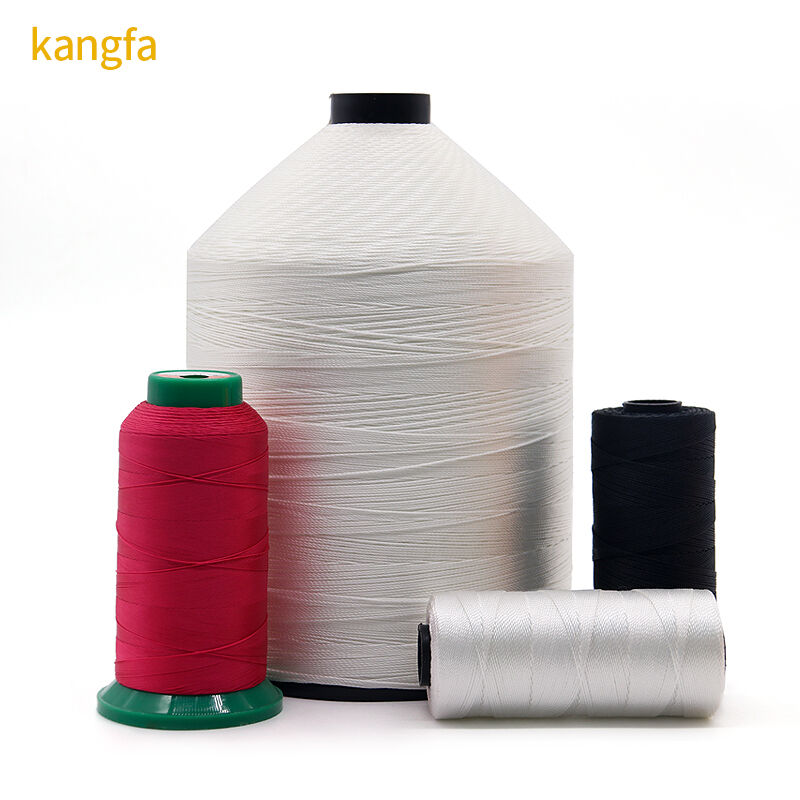
In the leathercraft industry, the quality of every stitch depends on the thread behind it. Whether you are producing hand-stitched wallets, artisan belts, upholstery, or premium leather goods, the choice of polyester waxed thread directly determines the durability, appearance, and longevity of your finished product. For B2B buyers sourcing at scale, finding a reliable manufacturer that consistently delivers strong, well-coated, and color-accurate thread is one of the most critical supply chain decisions to get right.
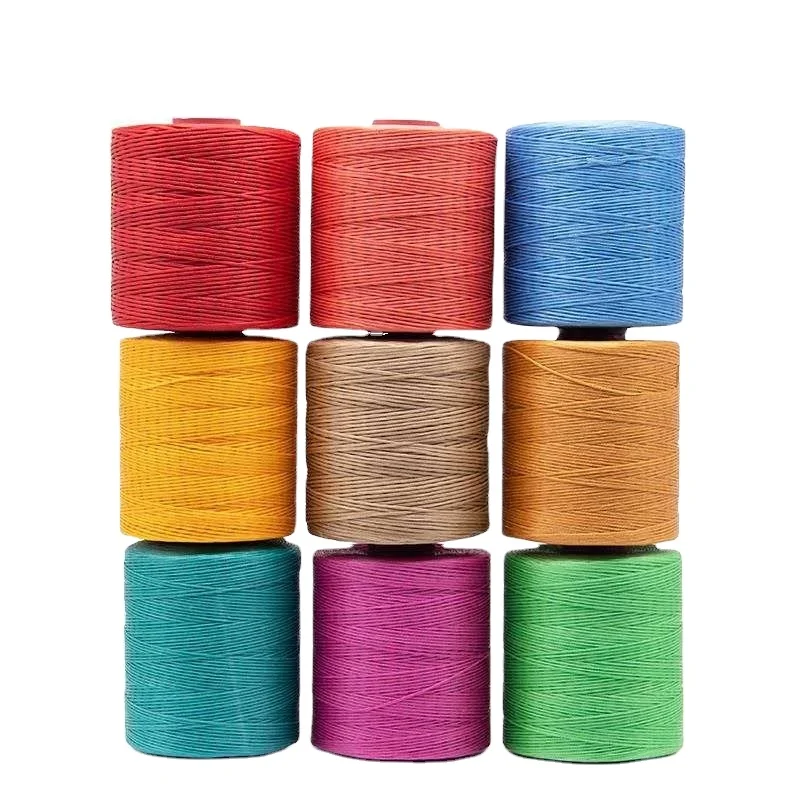
A capable polyester waxed thread manufacturer offers far more than a commodity spool of fiber. They bring engineering precision to the waxing process, tensile strength optimization, and a wide spectrum of customizable colors and thicknesses that serve the full range of leathercraft applications. This article explores what defines a strong manufacturer in this niche, why industrial-grade polyester waxed thread outperforms alternatives, and what B2B buyers should evaluate when choosing their supply partner for leathercraft production.
Understanding Polyester Waxed Thread in Leathercraft Applications
What Makes Polyester the Preferred Base Fiber
Polyester has become the dominant base material for waxed threads used in leathercraft because of its exceptional tensile strength, resistance to moisture, and low stretch characteristics. Unlike natural fibers such as linen or cotton, polyester waxed thread does not absorb water, which means it will not swell, shrink, or degrade when exposed to humidity or outdoor conditions. This stability is especially important in leather goods that experience repeated stress—such as bags, saddles, and footwear.
The fiber structure of polyester also allows for a more uniform wax coating. Because polyester strands are smooth and consistent at a microscopic level, the wax adheres evenly across the thread surface, creating a coating that protects against abrasion and friction during both the stitching process and throughout the product's lifetime. Manufacturers who understand this relationship between fiber and wax chemistry produce a notably superior end product.
For industrial leathercraft operations that run high-speed sewing machines, polyester waxed thread reduces friction through the needle eye and bobbin mechanism, minimizing thread breakage and machine downtime. This practical benefit has made polyester waxed thread the default choice for professional leatherworkers and volume manufacturers alike.
The Role of Waxing in Thread Performance
The wax coating applied to polyester thread is not merely decorative—it is a functional treatment that significantly enhances the thread's behavior during stitching and in service. A well-executed wax coating lubricates the thread as it passes through leather, reducing the heat generated by friction and protecting both the thread and the leather material from surface damage. This is especially critical when stitching through thick or multi-layered leather constructions.
Beyond lubrication, the wax also acts as a sealant that locks the plied strands of polyester together, preventing fraying at cut ends and maintaining a clean, tight stitch appearance. For leathercraft products where aesthetics are as important as function—such as luxury handbags or bespoke footwear—this wax-bonded finish gives the stitching a professional, crisp visual quality that buyers and end consumers notice immediately.
Manufacturers who control their waxing process in-house can fine-tune the wax formulation for different thread weights and end-use environments. This level of control is a key differentiator between a commodity supplier and a genuine polyester waxed thread manufacturer with technical depth.
What Defines a Strong Polyester Waxed Thread Manufacturer
Technical Manufacturing Capability and Process Control
A strong polyester waxed thread manufacturer is defined first by the depth of its production capabilities. This includes in-house spinning or twisting of polyester yarns, a controlled dyeing process that achieves color consistency across large batches, and a waxing line that applies the correct coating weight without causing uneven buildup or surface cracking. Each of these steps requires specialized equipment and skilled process management that only established manufacturers can deliver reliably.
Thread count, ply structure, and twist direction are engineering variables that directly affect how polyester waxed thread behaves under a needle. Experienced manufacturers understand that a thread intended for hand stitching has different requirements than one designed for industrial sewing machines. They adjust twist tightness, ply count, and wax saturation levels accordingly to produce thread that performs optimally in each context.
Quality control checkpoints throughout the production line—including tensile strength testing, color consistency measurement, and wax adhesion evaluation—separate manufacturers who merely assemble thread from those who genuinely engineer it. For B2B leathercraft supply buyers, this distinction matters enormously when placing large or recurring orders.
Customization Capacity for B2B Leathercraft Buyers
One of the most valued capabilities of a serious polyester waxed thread manufacturer is the ability to customize thread specifications to match a buyer's exact requirements. In the leathercraft and leather goods industry, brand differentiation often extends to the thread color, thickness, and finish used in visible stitching. A manufacturer who can produce polyester waxed thread in custom Pantone-matched colors, specific thickness ranges such as 10mm or 12mm, and tailored spool sizes provides genuine value to B2B customers who operate branded production lines.
Beyond color, customization in ply count and twist tightness allows leathercraft businesses to optimize their thread for specific stitching patterns, leather thicknesses, and machine configurations. A manufacturer that offers this level of flexibility becomes a true supply partner rather than just a commodity vendor—enabling customers to improve product quality and reduce waste simultaneously.
Private labeling is another customization service that advanced manufacturers offer. This is particularly relevant for distributors and leathercraft supply brands who want to market polyester waxed thread under their own brand identity. The ability to produce to spec and package to brand standards without minimum-order barriers reflects a manufacturer's commitment to long-term B2B relationships.
Key Specifications Buyers Should Evaluate
Thread Thickness and Tensile Strength Standards
Thread thickness is one of the primary specifications that determines a polyester waxed thread's suitability for a given leathercraft application. Thicker thread gauges are appropriate for saddle stitching, heavy-duty bags, and boot construction, while finer gauges suit wallets, bookbinding, and detailed decorative stitching. Manufacturers that produce a comprehensive range of thicknesses—and can accommodate custom gauge requests—give leathercraft buyers the flexibility to consolidate their supplier base without compromising on product quality.
Tensile strength, measured in Newtons or kilograms-force, is the mechanical specification that most directly predicts how a polyester waxed thread will perform under stress. Industrial leathercraft applications often subject stitching to significant loads—especially in bags, harnesses, and footwear—so selecting thread that exceeds the minimum tensile requirement for the application provides a meaningful safety margin. Reputable manufacturers provide tensile strength data for each thread specification in their catalog.
Buyers should also evaluate elongation at break—the percentage that a thread stretches before snapping. For leather goods that experience dynamic stress, a thread with controlled elongation helps absorb impact without immediate failure. Polyester waxed thread typically offers favorable elongation characteristics compared to natural fiber alternatives, making it a technically superior choice across most leather applications.
Color Range, Consistency, and Dyefastness
In leathercraft, thread color is not merely aesthetic—it is a design element that contributes to brand identity and product value. Manufacturers who maintain a large standing color library reduce lead times for buyers seeking standard shades, while those who can develop custom color formulations serve clients with exacting design requirements. The breadth and accuracy of a manufacturer's color offering directly impacts a leathercraft buyer's ability to maintain consistent product aesthetics across production runs.
Color consistency between batches is a critical quality criterion. Even minor color variation in polyester waxed thread can result in visible differences in finished leather goods, especially when thread is used for prominent saddle-stitch detailing. Manufacturers who dye thread in controlled conditions with strict color measurement protocols minimize batch-to-batch variation, ensuring that buyers receive consistent results across repeat orders.
Dyefastness—the resistance of thread color to fading from light, perspiration, and abrasion—is a performance specification that deserves attention, particularly for leather goods sold in premium or outdoor markets. A strong polyester waxed thread manufacturer uses colorfast dyes and finishing treatments that meet international standards, giving leathercraft buyers confidence in the long-term appearance of their products.
Supply Chain and Partnership Considerations for Leathercraft Businesses
Reliability and Lead Time Performance
For leathercraft businesses operating at scale, supply chain reliability is as important as product quality. A polyester waxed thread manufacturer that cannot deliver consistent volumes on schedule creates production bottlenecks that erode margins and damage client relationships. Evaluating a manufacturer's production capacity, inventory management practices, and historical on-time delivery performance is an essential step in the supplier qualification process.
Manufacturers with dedicated production lines for polyester waxed thread, rather than treating it as a secondary product category, are typically better positioned to fulfill large or time-sensitive orders. Those who maintain buffer stock of popular specifications can further reduce lead times for repeat buyers, making them preferred long-term partners in leathercraft supply chains.
Communication responsiveness and the ability to provide production status updates are soft but meaningful indicators of a manufacturer's operational maturity. B2B buyers who require frequent orders benefit greatly from suppliers who offer proactive order management and transparent delivery timelines.
Minimum Order Quantities and Pricing Structure
Minimum order quantities are a practical consideration that separates manufacturers suited for large industrial buyers from those who can also serve growing leathercraft brands at earlier stages of scale. Some manufacturers of polyester waxed thread require high minimums that only make sense for high-volume production; others offer tiered minimums that allow smaller buyers to access quality product without excessive inventory risk.
Pricing transparency matters equally. Manufacturers who publish clear price structures by specification, volume tier, and customization type enable buyers to make informed sourcing decisions without engaging in protracted negotiation for every order. This transparency is a signal of a professional organization with confidence in its value proposition.
When evaluating cost, B2B buyers should consider total cost of use rather than unit price alone. A slightly more expensive polyester waxed thread that reduces machine downtime, thread breakage, and needle damage delivers a lower total cost than a cheaper thread with poor performance characteristics. Experienced leathercraft procurement teams understand this distinction and evaluate thread suppliers accordingly.
FAQ
What industries beyond leathercraft use polyester waxed thread?
Polyester waxed thread is used across a wide range of industries that require durable, smooth-running stitching thread. These include footwear manufacturing, upholstery and furniture production, sailmaking and marine canvas work, outdoor gear assembly, and bookbinding. The combination of strength, moisture resistance, and smooth wax finish makes it suitable for any application that demands reliable, long-lasting stitching through thick or heavy materials.
How do I determine the correct thread thickness for my leathercraft application?
Thread thickness selection depends on the leather gauge you are working with, the needle and machine configuration you use, and the visual weight of stitching you want to achieve. As a general guideline, thinner leather goods such as wallets and card holders work well with finer thread gauges, while heavier leather items such as bags, belts, and boots require thicker thread for both strength and visual proportion. Your polyester waxed thread manufacturer can provide technical guidance based on your specific application requirements.
Can polyester waxed thread be used in both hand stitching and industrial sewing machines?
Yes, polyester waxed thread is suitable for both hand stitching and industrial machine sewing, though the optimal specifications differ between the two methods. Hand stitching typically benefits from a slightly heavier wax coating and a tighter twist for ease of needle threading and knot resistance. Machine sewing requires thread that runs smoothly through tension mechanisms and needle eyes without excessive wax buildup. A good manufacturer will offer thread specifications tailored to each stitching method.
What should I look for in a polyester waxed thread manufacturer's quality certifications?
Reputable polyester waxed thread manufacturers typically hold quality management certifications that demonstrate systematic process control, such as ISO 9001. In markets where product safety standards apply—particularly for footwear and children's goods—compliance with OEKO-TEX or equivalent chemical safety standards is an important criterion. Requesting documentation of tensile strength testing, color consistency protocols, and dyefastness ratings gives buyers objective evidence of a manufacturer's quality commitment beyond certifications alone.
Table of Contents
- Understanding Polyester Waxed Thread in Leathercraft Applications
- What Defines a Strong Polyester Waxed Thread Manufacturer
- Key Specifications Buyers Should Evaluate
- Supply Chain and Partnership Considerations for Leathercraft Businesses
-
FAQ
- What industries beyond leathercraft use polyester waxed thread?
- How do I determine the correct thread thickness for my leathercraft application?
- Can polyester waxed thread be used in both hand stitching and industrial sewing machines?
- What should I look for in a polyester waxed thread manufacturer's quality certifications?