 EN
EN

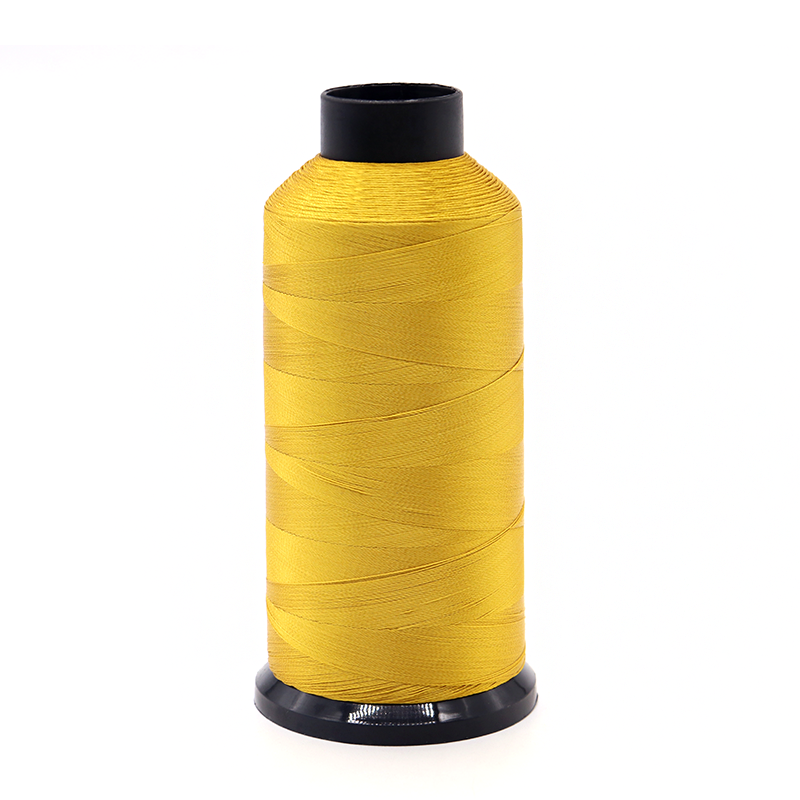
In an industry defined by variety, volume, and unrelenting performance demands, one material consistently rises above the rest. polyester thread has earned its reputation as the go-to choice across virtually every segment of the textile and apparel manufacturing world. From fast-fashion assembly lines stitching thousands of garments per day to technical textile manufacturers producing heavy-duty industrial fabrics, the same fundamental material keeps operations running smoothly, efficiently, and cost-effectively.
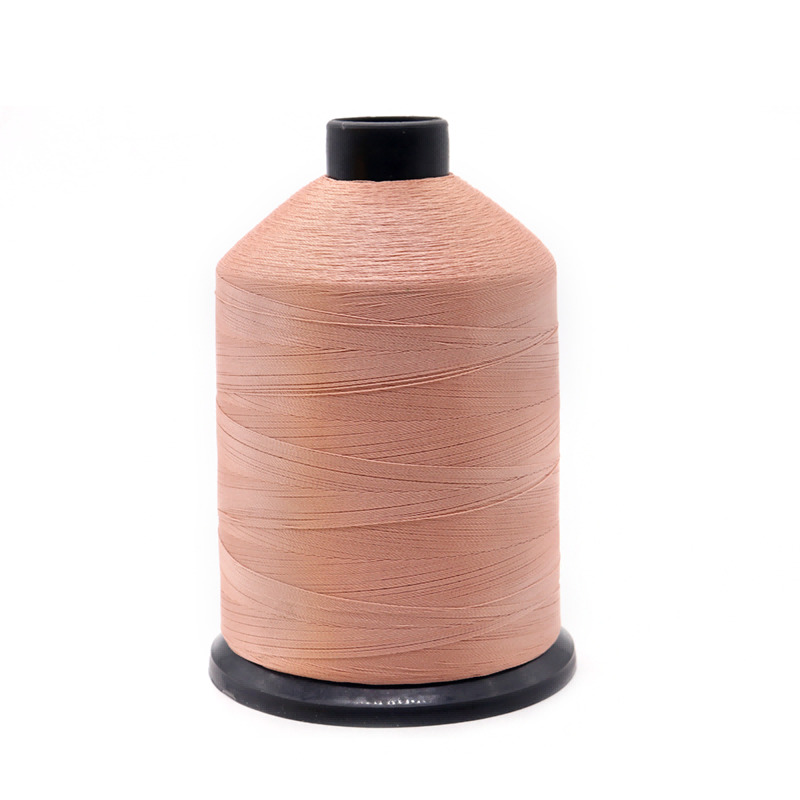
Understanding why polyester thread occupies this dominant position requires looking beyond surface-level comparisons. It is not simply that polyester thread is cheap or widely available — though both are true. It is that polyester thread offers a rare combination of physical strength, chemical resilience, processing compatibility, and economic efficiency that no single alternative material can fully replicate. This article unpacks the core reasons why polyester thread has become the all-purpose king of the textile industry and why that status is unlikely to change anytime soon.
The Structural Advantages That Make Polyester Thread Indispensable
Tensile Strength That Holds Up Under Pressure
One of the primary reasons polyester thread dominates across so many applications is its exceptional tensile strength. When a seam is under stress — whether from body movement, load-bearing weight, or mechanical tension — the thread holding that seam together must resist breakage reliably. Polyester thread delivers this resistance consistently, outperforming cotton thread of equivalent weight in direct tensile tests. For manufacturers, this translates directly into fewer production defects, lower rework rates, and longer garment lifespans.
The molecular structure of polyester contributes heavily to this strength profile. Polyester fibers are formed through a controlled polymerization process that aligns molecular chains in a way that resists stretching and breaking under load. This is not an incidental benefit — it is an engineered characteristic that makes polyester thread particularly well-suited for high-speed industrial sewing machines where thread tension is continuously elevated. When production runs at speed, polyester thread holds its integrity in a way that natural fiber threads often cannot.
For B2B buyers evaluating thread for production use, tensile strength is not just a technical specification — it is a direct input into cost calculations. Stronger polyester thread means fewer thread breaks per shift, less machine downtime, and a more predictable production output. This reliability has a compounding value that makes the material's slightly higher cost compared to lower-grade alternatives fully justified.
Dimensional Stability and Low Shrinkage
Beyond raw strength, polyester thread offers excellent dimensional stability. Unlike cotton, which can shrink significantly when exposed to heat or moisture during washing and finishing processes, polyester thread retains its length and form under thermal stress. This property is critically important in seam-critical applications where even minor thread shrinkage can cause fabric puckering, distortion, or seam failure after the first wash cycle.
In garment manufacturing, seam integrity after washing is a non-negotiable quality benchmark. Polyester thread's low shrinkage coefficient means that finished seams maintain their appearance and structural performance through repeated laundering. This is particularly valuable in workwear, uniforms, and performance apparel, where durability and consistent fit are key selling points for end consumers. Manufacturers who use polyester thread can confidently promise a finished product that performs as designed even after extensive use.
Dimensional stability also matters during the finishing stages of production. Heat-setting, steam pressing, and dyeing processes all expose fabric and thread to elevated temperatures and moisture. Polyester thread's resistance to these conditions ensures that seams do not distort during processing, saving both time and material cost associated with rework or rejection at quality control stages.
Chemical and Environmental Resilience
Resistance to Moisture, Mold, and UV Degradation
Polyester thread is inherently hydrophobic, meaning it does not absorb water readily. This makes it highly resistant to mold, mildew, and the biological degradation that can affect natural fiber threads in humid storage or use environments. For manufacturers producing outdoor gear, marine textiles, agricultural covers, or any product that will be exposed to moisture over extended periods, polyester thread is the obvious and often the only practical choice.
UV resistance is another dimension where polyester thread distinguishes itself. Standard polyester thread demonstrates meaningful resistance to ultraviolet degradation compared to untreated cotton or other natural fiber alternatives. In outdoor upholstery, awnings, vehicle interiors, and canvas products, thread that weakens under sun exposure would be a serious liability. Polyester thread's UV performance means that seams in outdoor applications retain their strength over significantly longer service periods.
The combination of moisture resistance and UV stability makes polyester thread a preferred choice for technical and functional textile applications well beyond standard apparel. This versatility is a core reason why polyester thread continues to expand its reach across new application categories rather than being confined to a narrow segment of the textile industry.
Chemical Resistance in Industrial Applications
Industrial textiles often face exposure to oils, solvents, weak acids, and alkaline cleaning agents. Polyester thread resists degradation from a wide range of these chemical exposures better than many natural fiber alternatives. This characteristic is especially important in workwear for manufacturing environments, protective clothing, filtration fabrics, and geotextiles where the thread must maintain its integrity even when the surrounding material is subject to chemical stress.
For procurement specialists sourcing thread for industrial textile production, chemical resistance is not a luxury specification — it is a core requirement. Polyester thread meets this requirement reliably across a broad spectrum of industrial conditions, reducing the need for specialized thread types for every application and simplifying inventory management. A single high-quality polyester thread specification can often cover multiple product lines, which is a meaningful operational advantage for large-scale manufacturers.
Processing Compatibility and Manufacturing Efficiency
High-Speed Sewing Machine Performance
Modern garment and textile manufacturing relies on high-speed lockstitch, chainstitch, overlock, and cover-stitch machines operating at thousands of stitches per minute. Thread performance at these speeds is a practical constraint that directly affects productivity. Polyester thread is specifically well-adapted to high-speed sewing conditions due to its smooth surface, consistent diameter, and high knot strength. These properties allow the thread to pass through machine guides, tension discs, and needle eyes with minimal friction and breakage risk.
Thread breaks during high-speed production create a cascade of negative effects: machines must be stopped, thread re-threaded, seams inspected for quality, and lost time absorbed into production schedules. Polyester thread's superior performance on modern industrial machines significantly reduces this risk compared to lower-quality or less suitable thread types. In high-volume production environments, even a modest reduction in thread break frequency can translate into meaningful gains in output and efficiency.
Manufacturers who have transitioned to quality polyester thread report improvements not only in break rates but also in needle heat performance. At high stitching speeds, the needle generates friction heat that can weaken certain thread types. Polyester thread's heat tolerance, while not unlimited, is sufficient for most industrial sewing applications, making it compatible with the full range of standard production equipment without the need for special machine adjustments.
Dyeability and Color Retention
Color consistency across a production run is a basic quality expectation in garment manufacturing. Polyester thread accepts disperse dyes through a well-established industrial process and retains color vibrancy and consistency across large production batches. Once dyed, polyester thread demonstrates excellent colorfastness to washing, light exposure, and abrasion, meeting the demanding standards that brands and retailers routinely require from their supply chains.
Color matching between fabric and thread is a critical aesthetic requirement in many product categories. Because polyester thread can be dyed to virtually any color with high precision, manufacturers can achieve near-perfect color alignment between the thread and the fabric it joins. This capability is especially important in visible seam applications, decorative stitching, and any product where contrasting or matching thread is a visible design feature.
The stability of color on polyester thread also simplifies supply chain management. Thread lots from consistent suppliers maintain predictable color characteristics, reducing the risk of shade variation between production runs. For manufacturers producing large orders with strict color specifications from brand buyers, this predictability is a significant operational advantage that reinforces the case for standardizing on polyester thread across product lines.
Economic Value and Supply Chain Practicality
Cost-Effectiveness Across Scale
Polyester thread offers strong economic value relative to the performance it delivers. Compared to specialty threads made from aramid, PTFE, or other technical fibers, polyester thread is substantially more affordable while still meeting the performance requirements of the vast majority of textile applications. Even compared to cotton thread, polyester thread often delivers lower total cost of use when factors like break rate, shrinkage, and colorfastness are taken into account alongside the purchase price.
For manufacturers operating on tight margins — which describes most of the global textile industry — the cost-performance ratio of polyester thread is a decisive factor. A material that reduces downtime, minimizes rework, and produces consistently high-quality seams has a financial impact that goes well beyond its price per kilogram. Procurement teams that evaluate polyester thread on a total-cost-of-ownership basis rather than a unit-price basis consistently find it to be the most economical choice for the widest range of applications.
Availability and Global Supply Chain Compatibility
Polyester thread is one of the most widely produced and available industrial materials in the global textile supply chain. This availability means that manufacturers can source consistent quality across multiple suppliers, maintain reasonable safety stock levels, and avoid the supply disruptions that can affect more specialized materials. For production planning purposes, polyester thread's global availability is a significant risk management advantage.
The standardization of polyester thread specifications across the industry also simplifies supplier qualification and quality control processes. Established standards for thread count, tensile strength, twist direction, and packaging mean that switching between qualified suppliers or adjusting order volumes is straightforward. This supply chain flexibility is an underappreciated reason why polyester thread maintains its dominant position even as alternative materials compete for specific niche applications.
Global textile brands and manufacturers who require consistent thread performance across production facilities in multiple countries particularly value this supply chain predictability. Polyester thread can be sourced to consistent specifications in virtually every major textile manufacturing region, making it a practical default choice for global supply chain standardization efforts.
FAQ
Why is polyester thread preferred over cotton thread in most industrial applications?
Polyester thread offers higher tensile strength, better dimensional stability, superior moisture and UV resistance, and more consistent colorfastness compared to cotton thread. In high-speed industrial production, polyester thread also generates fewer breaks, reducing machine downtime and improving overall manufacturing efficiency. While cotton thread still has specific application value — particularly in products requiring natural fiber content or breathability at the seam — polyester thread outperforms cotton across the majority of industrial and apparel applications.
Can polyester thread be used for all types of fabric?
Polyester thread is compatible with the vast majority of fabric types used in garment and textile manufacturing, including woven fabrics, knits, technical textiles, and blended materials. The main consideration is selecting the appropriate thread weight and construction for the specific fabric and application. Fine polyester thread works well for lightweight wovens and delicate knits, while heavier-weight polyester thread is suited to denim, canvas, upholstery, and heavy-duty workwear. The broad range of available polyester thread specifications makes it adaptable to nearly every fabric category.
Does polyester thread perform well in outdoor and weather-exposed applications?
Yes. Polyester thread's hydrophobic nature, UV resistance, and resistance to mold and mildew make it well-suited for outdoor applications. Products such as outdoor furniture, awnings, marine textiles, tents, and agricultural covers rely heavily on polyester thread precisely because of this environmental resilience. For applications with extreme UV exposure or contact with harsh chemicals, specialty coated or solution-dyed polyester thread variants can provide even higher performance levels.
What weight or specification of polyester thread is most commonly used in apparel manufacturing?
The most commonly used polyester thread specifications in apparel manufacturing fall within the ticket number range of 40 to 120, with finer threads used for lightweight fabrics and shirt production, and heavier threads used for denim, outerwear, and structured garments. Spun polyester thread is widely used for its soft handle and compatibility with natural-look seams, while continuous filament polyester thread is preferred where seam strength and surface smoothness are the primary priorities. The right specification depends on the fabric weight, seam type, machine configuration, and end-use performance requirements of the specific product being manufactured.
Table of Contents
- The Structural Advantages That Make Polyester Thread Indispensable
- Chemical and Environmental Resilience
- Processing Compatibility and Manufacturing Efficiency
- Economic Value and Supply Chain Practicality
-
FAQ
- Why is polyester thread preferred over cotton thread in most industrial applications?
- Can polyester thread be used for all types of fabric?
- Does polyester thread perform well in outdoor and weather-exposed applications?
- What weight or specification of polyester thread is most commonly used in apparel manufacturing?