 EN
EN

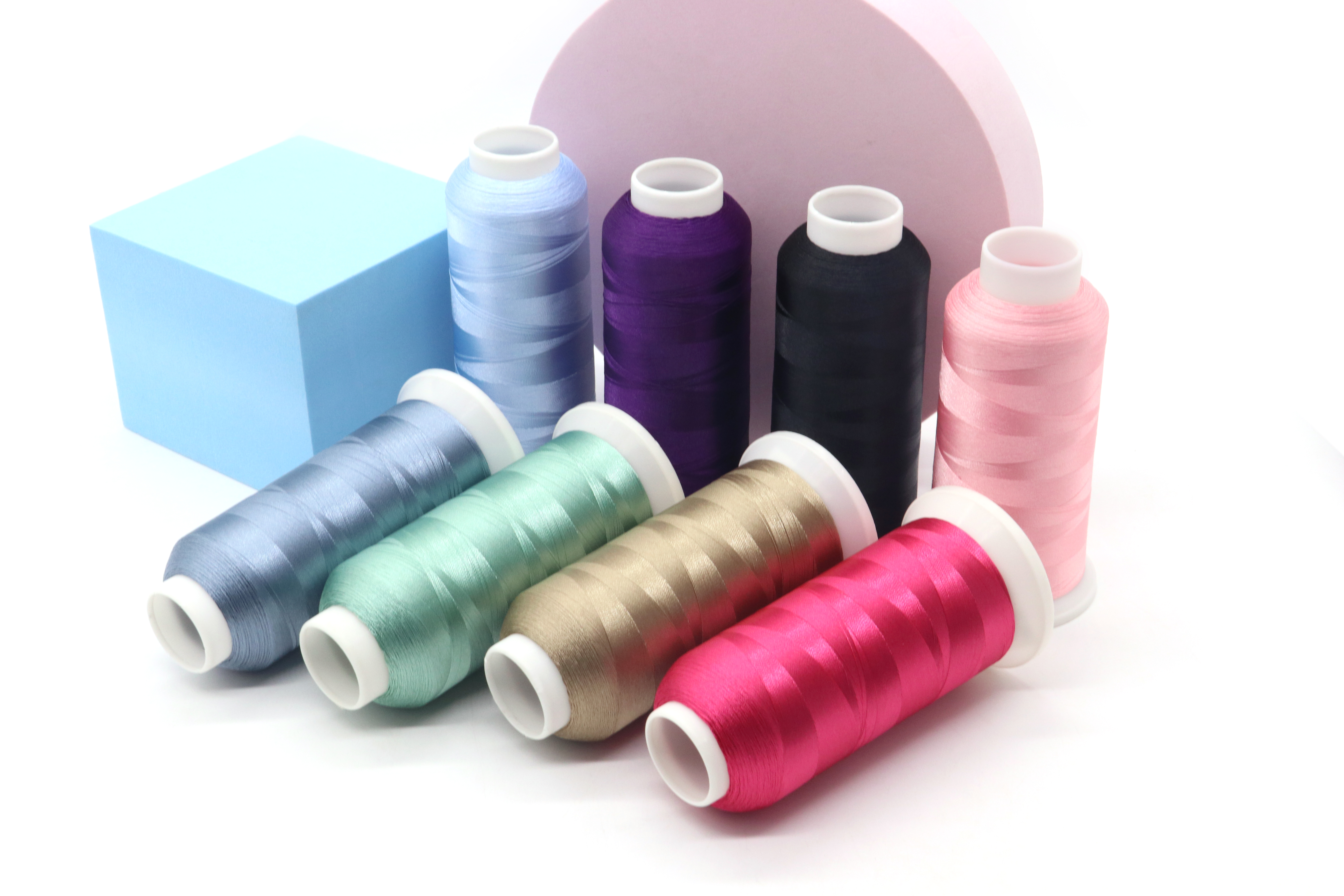
In the world of high-end fashion, the materials used to construct, embellish, and finish a garment speak as loudly as the design itself. Among the many yarns and threads available to luxury designers and master embroiderers, viscose thread occupies a singular position — one defined by its extraordinary visual depth, its tactile softness, and its ability to translate light into fabric in ways that synthetic fibers simply cannot replicate. Whether it is used in hand embroidery, machine stitching, or intricate surface decoration, viscose thread delivers a quality of finish that elevates a garment from well-made to genuinely remarkable.
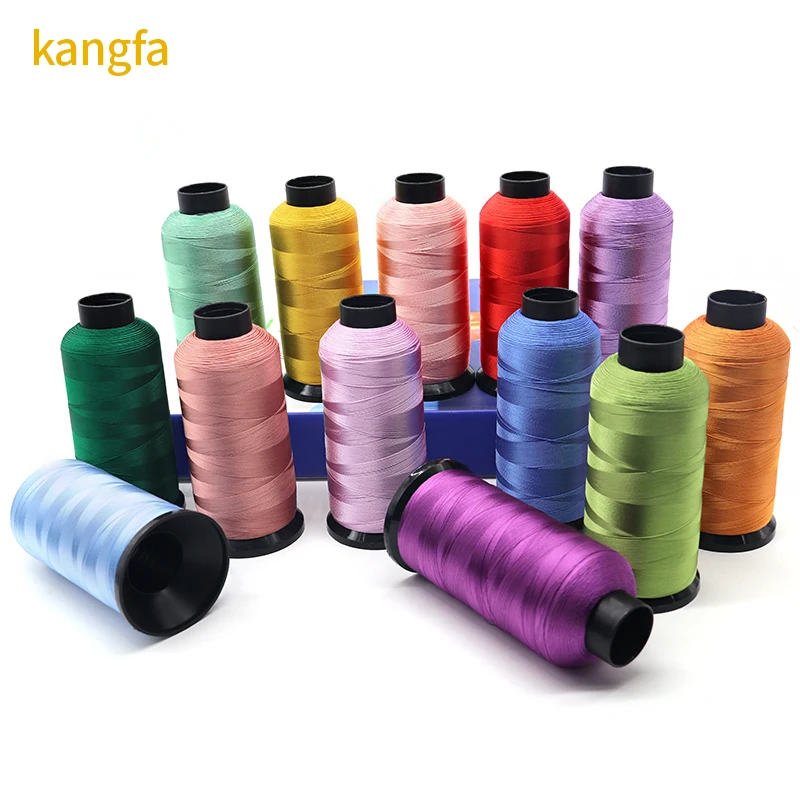
What makes this fiber so compelling in high-end contexts is not any single property but a combination of characteristics that work together to produce a distinctive aesthetic. The natural sheen of viscose thread catches ambient light and transforms it into a soft, silk-like luminosity. Its smooth surface allows color pigments to express themselves with full saturation, and its drape ensures that embroidered elements lie flat and fluid against even the most delicate base fabrics. For designers and atelier professionals who work at the highest level of craftsmanship, understanding why viscose thread behaves the way it does — and how to use it intentionally — is an essential part of building a luxury product language.
The Material Composition Behind the Aesthetic Appeal
How Viscose Is Derived and Why It Matters
Viscose is a regenerated cellulose fiber, derived primarily from wood pulp that has been chemically processed into a smooth, continuous filament. Unlike synthetic fibers such as polyester, which are petroleum-based, viscose originates from natural plant material. This origin fundamentally shapes its behavior — including how it absorbs dye, how it interacts with light, and how it feels against the skin. When spun into viscose thread, these characteristics become even more pronounced, as the spinning process aligns the filaments to maximize surface smoothness and reflectivity.
The chemical transformation involved in producing viscose — dissolving cellulose into a viscous liquid and then extruding it through fine spinnerets — creates filaments that are remarkably uniform in diameter. This uniformity is one of the reasons that viscose thread achieves such a consistent sheen. There are no irregular surface interruptions to scatter light in uncontrolled directions. Instead, the thread reflects light in an organized, directional way that mimics the behavior of genuine silk. For high-end fashion applications where visual consistency is non-negotiable, this regularity is a significant technical advantage.
It is worth noting that the quality of raw material and the precision of processing vary considerably across different grades of viscose thread. Higher-quality formulations, such as those used in luxury embroidery and couture finishing work, are spun to finer counts and subjected to more rigorous finishing. The result is a thread whose physical properties are more tightly controlled and whose aesthetic performance is noticeably superior to commodity-grade alternatives.
The Role of Thread Count and Twist in Surface Texture
Thread count and the degree of twist applied during spinning are two variables that directly influence how viscose thread presents itself on a finished garment. A lower-twist thread tends to lie flatter and produce a broader reflective surface, which intensifies the silk-like sheen. A higher-twist thread creates a slightly rounded cross-section that catches light from multiple angles, producing a more complex, multi-dimensional luminosity. Both approaches are valid depending on the intended application, but the choice must be deliberate.
In high-end embroidery, for example, a low-twist viscose thread is often preferred for satin stitch filling because it creates smooth, mirror-like passages of color that read as almost metallic from a distance. In more structural applications — such as outline stitching or fine detail work — a slightly higher twist provides the dimensional definition that separates individual stitch lines clearly. Understanding this relationship between twist, texture, and sheen allows a skilled embroiderer or designer to use viscose thread as a tool for controlling visual depth, not merely as a material for applying color.
Sheen as a Design Language in Luxury Fashion
Why Luminosity Signals Quality in High-End Garments
In luxury fashion, sheen is rarely accidental. The way a surface catches and reflects light is part of the visual vocabulary that communicates value, craftsmanship, and intentionality. Viscose thread has long been valued in high-end contexts precisely because its sheen falls within a very specific range — not as flat and dull as matte cotton, but not as hard and commercial as standard polyester. It occupies a luminous middle ground that aligns with the natural sheen of silk and other premium materials, making it a natural companion to luxury base fabrics.
When a couture piece incorporates embroidery worked in viscose thread, the stitched areas appear to glow softly under ambient and directional lighting. This property is not merely decorative — it is communicative. It tells an informed eye that attention has been paid at every level, including the choice of embellishment materials. In high-fashion contexts where buyers and critics examine pieces with a level of scrutiny reserved for fine art, this kind of material intelligence matters enormously.
Furthermore, the sheen of viscose thread behaves differently from that of metallic threads or plastic-coated novelty yarns. Rather than producing a harsh, specular reflection, it generates a softer, more organic luminosity that integrates naturally into the surrounding fabric. This makes it especially effective when used alongside natural textiles like silk charmeuse, fine wool, or high-count cotton, where an overly aggressive sheen would clash with the base material's own visual register.
Color Saturation and Dye Absorption in Viscose Thread
One of the most important reasons that luxury fashion professionals choose viscose thread over polyester alternatives is its superior dye absorption. Because viscose is a cellulose-based fiber, it accepts reactive and direct dyes with a depth and evenness that synthetic fibers struggle to match. The result is a thread whose color appears fully saturated, with no washed-out or grayed-down quality that is common in lower-quality embroidery threads.
This dye affinity also means that viscose thread can achieve very subtle, complex color effects — such as the tonal variations in hand-dyed or space-dyed specialty threads — with a fidelity that reinforces rather than undermines the designer's color vision. In a couture embroidery piece where dozens of shades may be used in close proximity, the ability of each thread color to read cleanly and accurately is critical. A thread that muddies or shifts color under different lighting conditions becomes a design liability rather than an asset.
High-end viscose thread formulations also tend to have strong colorfastness, meaning that the vibrancy achieved at production remains stable through reasonable wear and cleaning cycles. For investment pieces designed to last years or decades, this durability is a baseline requirement rather than a bonus feature.
Texture in Application: How Viscose Thread Performs Across Techniques
Machine Embroidery and the Precision Advantage
In professional machine embroidery, the thread must perform consistently at high speeds across thousands of needle passes without breaking, fraying, or losing its surface quality. viscose thread designed for machine use is engineered to meet exactly these demands. Its smooth surface reduces friction through the needle eye and against the presser foot, minimizing heat buildup that could degrade the thread's structure during extended runs.
For high-end fashion brands that use machine embroidery to reproduce intricate, signature motifs at scale — whether on ready-to-wear pieces or licensed product lines — the visual consistency of viscose thread across multiple production runs is a key quality consideration. Because the sheen and color of a well-manufactured viscose thread are tightly controlled, embroidered details will look identical across hundreds or thousands of units. This consistency is what makes a branded embroidery element a reliable brand asset rather than a variable component.
Additionally, the softness of viscose thread means that dense machine embroidery areas remain flexible and comfortable against the body. Unlike some synthetic threads that stiffen a fabric panel when stitched at high density, viscose maintains the drape and hand of the surrounding textile, which is especially important in luxury ready-to-wear where comfort is as critical as appearance.
Hand Embroidery, Couture Technique, and Artistic Expression
In hand embroidery — particularly the kind practiced in couture ateliers — the choice of thread is inseparable from the final artistic result. Viscose thread is a preferred medium for many hand embroiderers working at the highest level precisely because it responds so sensitively to the individual stitcher's technique. The thread lies exactly where it is placed, it does not fight against tension adjustments, and its sheen amplifies the directional quality of each stitch, making the light-catching behavior of a satin stitch or a long-and-short fill noticeably more sophisticated.
The tactile experience of working with high-quality viscose thread by hand is also significant. Its slight weight and natural slip make it easier to lay down in smooth, even passes without the kind of micro-ridging that can occur with coarser fibers. For pieces that will be examined up close — as luxury embroidery always is — this surface perfection is not a luxury but a baseline standard. The finest embroidery houses in Paris, Milan, and beyond have historically relied on silk for this quality, and viscose thread provides a closely comparable aesthetic result at a considerably more accessible price point.
This is not to suggest that viscose replaces silk in all contexts — the two materials have distinct identities and applications. Rather, viscose thread occupies a position that makes genuine luxury embroidery aesthetics achievable across a broader range of projects and budgets, expanding the vocabulary of high-end design without diluting the standard of visual excellence.
Sustainability Considerations and the Future Role of Viscose Thread
Viscose Thread in the Context of Responsible Luxury
The luxury fashion industry is undergoing a fundamental reassessment of the materials it uses, driven by both consumer pressure and genuine industry commitment to more responsible sourcing. In this context, viscose thread occupies an interesting position. As a plant-derived fiber, it is biodegradable at end-of-life in a way that petroleum-based synthetics are not. For fashion houses working to reduce their environmental footprint without sacrificing the quality standards their customers expect, this characteristic is increasingly relevant.
However, the sustainability profile of viscose thread is nuanced. The chemical process used to convert wood pulp into viscose fiber has historically generated process waste, and the source of the wood pulp itself can vary in environmental quality depending on whether it comes from certified sustainable forestry operations. Brands and suppliers committed to responsible production are increasingly sourcing wood pulp from certified sources and investing in closed-loop chemical processes that recover and reuse solvents. These improvements are raising the overall sustainability credentials of viscose thread substantially.
For luxury fashion designers who need to communicate a credible sustainability story alongside exceptional aesthetic performance, viscose thread produced under transparent, certified conditions offers a compelling combination of qualities. It delivers the visual and tactile excellence that high-end customers expect while aligning with the values-driven positioning that defines forward-thinking luxury brands today.
Innovation and Product Development in Viscose Thread Technology
Thread technology continues to evolve, and viscose thread is no exception. Advances in spinning technology, dyeing chemistry, and finishing treatments are continuously expanding the performance envelope of viscose-based embroidery and sewing threads. Fine-count viscose threads, for example, allow embroiderers to work at higher resolution than was previously possible, capturing detail that once required the use of much finer silk threads. Multi-ply formulations offer increased tensile strength for industrial embroidery applications without sacrificing the surface softness that defines the material's aesthetic identity.
Finishing innovations — including treatments that further enhance the sheen, improve abrasion resistance, or increase colorfastness under UV exposure — are making viscose thread viable for an even wider range of high-end applications. Outdoor luxury goods, performance fashion, and technically demanding decorative applications that once required compromise on either aesthetics or durability can increasingly be served by advanced viscose thread formulations that deliver on both dimensions simultaneously.
For procurement professionals, designers, and production teams working in high-end fashion, staying current with developments in viscose thread technology is not a peripheral concern — it is part of the ongoing work of maintaining a competitive and aesthetically distinctive product line. The best professionals in this space treat their knowledge of materials with the same seriousness they apply to their knowledge of design trends or construction techniques.
FAQ
What makes viscose thread different from polyester thread in high-end fashion applications?
Viscose thread is derived from natural cellulose and has a softer hand, deeper dye absorption, and a more organic silk-like sheen compared to polyester. Polyester thread tends to produce a harder, more specular reflection that can look synthetic alongside natural luxury fabrics. For high-end fashion, the visual and tactile qualities of viscose thread align more naturally with the aesthetic standards of couture and luxury ready-to-wear, making it the preferred choice for embroidery, surface decoration, and finishing work on premium garments.
Is viscose thread suitable for both machine embroidery and hand embroidery in luxury garment production?
Yes, viscose thread is formulated for use in both machine and hand embroidery contexts, though the specific product specifications may differ. Machine embroidery applications typically require tighter twist and consistent tensile strength to perform reliably at high speeds, while hand embroidery applications often favor a lower-twist thread that lies flat and maximizes sheen. Reputable suppliers offer viscose thread in a range of specifications to serve both applications, and many professional embroidery operations maintain separate inventories for each use case.
How should viscose thread be stored to maintain its sheen and color quality over time?
Viscose thread should be stored away from direct sunlight, which can cause color fading over extended periods. A cool, dry environment with stable humidity is ideal, as excessive moisture can cause the thread to absorb water and temporarily alter its surface texture. Threads should be kept on spools or bobbins rather than left loose, as tangling and abrasion can damage the surface filaments that produce the characteristic sheen. Properly stored viscose thread will maintain its aesthetic qualities for years without significant degradation.
Can viscose thread be used on base fabrics other than traditional dress fabrics in high-end fashion?
Viscose thread is versatile enough to work effectively on a wide range of base fabrics used in high-end fashion, including silk, fine wool, technical fabrics, leather, and specialty textiles. The key considerations are thread weight relative to fabric weight, needle size, and the density of embroidery coverage. On lighter fabrics, finer-count viscose thread is recommended to avoid puckering or distorting the base material. On heavier or more structured materials, slightly heavier thread weights can be used without compromising the distinctive sheen and texture that make viscose thread the preferred choice for luxury decorative applications.
Table of Contents
- The Material Composition Behind the Aesthetic Appeal
- Sheen as a Design Language in Luxury Fashion
- Texture in Application: How Viscose Thread Performs Across Techniques
- Sustainability Considerations and the Future Role of Viscose Thread
-
FAQ
- What makes viscose thread different from polyester thread in high-end fashion applications?
- Is viscose thread suitable for both machine embroidery and hand embroidery in luxury garment production?
- How should viscose thread be stored to maintain its sheen and color quality over time?
- Can viscose thread be used on base fabrics other than traditional dress fabrics in high-end fashion?