 EN
EN

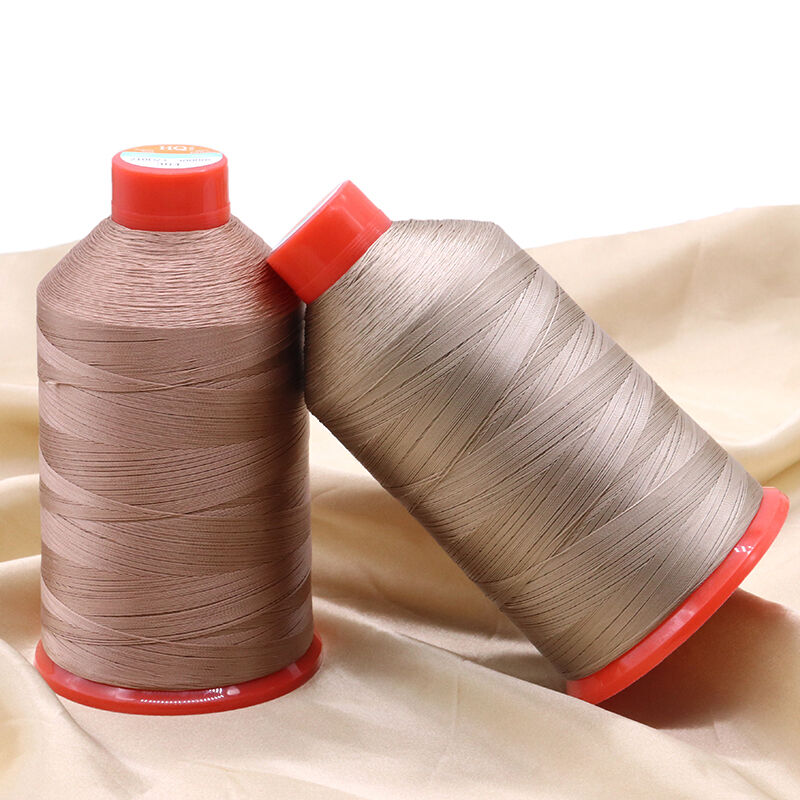
Automotive trim manufacturing demands precision, durability, and consistency at every stage of production. Among the critical components that determine the longevity and aesthetic quality of interior and exterior trim pieces is the sewing thread used to bond fabrics, leather, and synthetic materials. High tenacity continuous filament sewing thread has emerged as the preferred choice for automotive applications due to its superior strength, resistance to abrasion, and ability to maintain structural integrity under extreme mechanical stress. For procurement managers and manufacturing engineers sourcing thread for automotive trim, understanding the specific characteristics, sourcing criteria, and supplier evaluation methods is essential to ensuring product quality and operational efficiency.
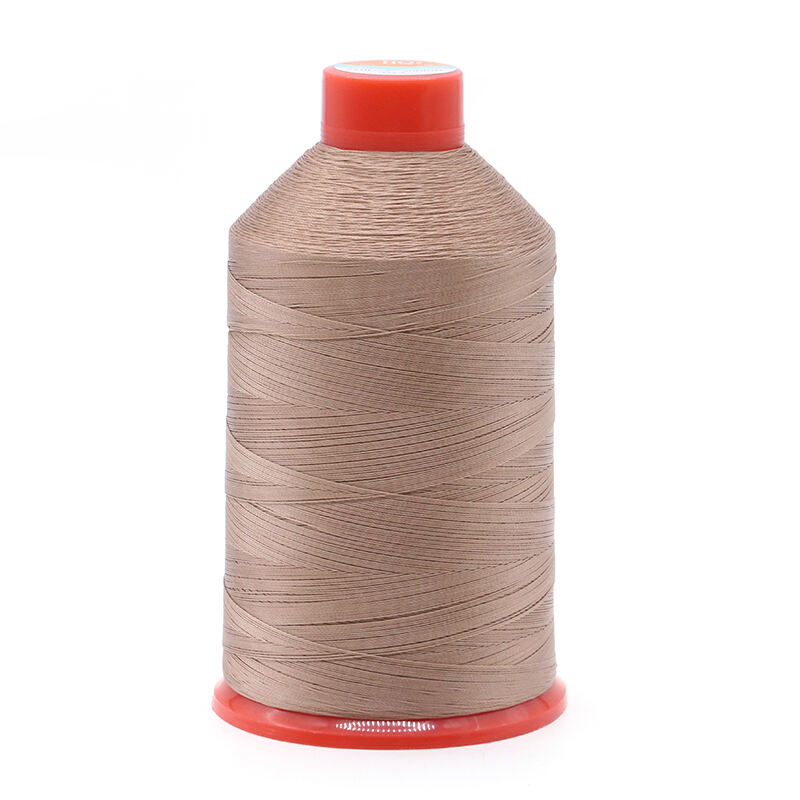
The automotive industry operates under stringent quality standards, including ISO/TS 16949 and various OEM-specific requirements that dictate material performance, dimensional consistency, and traceability. When sourcing high tenacity continuous filament sewing thread for automotive trim, buyers must navigate a complex landscape of fiber types, coating technologies, tensile strength specifications, and certification requirements. This article provides a comprehensive framework for sourcing professionals to identify qualified suppliers, evaluate thread performance characteristics, and establish procurement processes that align with automotive production demands. Whether you are outfitting a seat cover assembly line, door panel production facility, or headliner manufacturing operation, the insights presented here will guide you toward informed sourcing decisions.
Understanding High Tenacity Continuous Filament Thread for Automotive Applications
Material Composition and Fiber Technology
High tenacity continuous filament sewing thread is manufactured from synthetic polymers engineered to deliver exceptional strength-to-weight ratios. The most common base materials include polyester, nylon, and aramid fibers, each offering distinct performance advantages. Polyester filament thread dominates automotive trim applications due to its excellent resistance to UV degradation, minimal shrinkage, and consistent performance across wide temperature ranges. Nylon variants provide superior elasticity and abrasion resistance, making them suitable for high-stress seam applications such as seat belt anchoring points and bolster stitching. Aramid-based threads are reserved for specialized applications requiring extreme heat resistance and cut protection.
The continuous filament construction distinguishes this thread category from staple fiber alternatives. Rather than twisting short fibers together, continuous filament thread consists of unbroken polymer strands that extend the entire length of the spool. This construction eliminates weak points inherent in staple yarns, reduces lint generation during high-speed sewing, and provides superior knot strength. For automotive trim applications where seam failure could compromise safety or aesthetic integrity, the structural advantages of high tenacity continuous filament sewing thread become particularly critical.
Tenacity Specifications and Performance Metrics
Tenacity, measured in grams per denier or centi-Newtons per tex, quantifies the breaking strength of thread relative to its linear density. Standard sewing threads typically exhibit tenacity values between four and six grams per denier, while high tenacity variants achieve values ranging from seven to nine grams per denier or higher. For automotive trim applications, procurement specifications typically mandate minimum tenacity thresholds based on seam type and expected stress loads. Critical structural seams in seat assemblies may require threads with tenacity exceeding eight grams per denier, while decorative topstitching on door panels might accommodate slightly lower values.
Beyond raw tenacity, automotive sourcing professionals must evaluate additional performance metrics including elongation at break, loop strength, and cyclic fatigue resistance. Elongation characteristics influence how thread responds to dynamic loading during vehicle operation, with optimal values typically ranging from fifteen to twenty-five percent. Loop strength, which measures thread performance when formed into a sewn knot or loop, often proves more relevant than straight tensile strength for predicting real-world seam durability. Reputable suppliers provide comprehensive test data covering these parameters, enabling procurement teams to match thread specifications to specific trim applications.
Surface Treatments and Coating Technologies
Raw continuous filament thread undergoes various surface treatments to optimize sewing performance and enhance durability in automotive environments. Lubrication coatings reduce friction during high-speed sewing operations, preventing needle heating and thread breakage while extending machine needle life. For automotive applications, silicone-based lubricants have largely replaced traditional wax finishes due to their superior thermal stability and compatibility with modern fabric bonding adhesives. Some high tenacity continuous filament sewing thread formulations incorporate bonding agents that improve abrasion resistance and maintain twist integrity under mechanical stress.
Advanced coating technologies also address specific automotive performance requirements such as UV resistance, flame retardancy, and chemical compatibility. Threads destined for convertible top assemblies or exterior trim applications receive enhanced UV stabilization treatments to prevent degradation from prolonged sunlight exposure. Automotive interior regulations in various markets mandate flame-retardant treatments that meet FMVSS 302 or equivalent standards. When sourcing high tenacity continuous filament sewing thread, procurement professionals must verify that coating formulations align with both manufacturing process requirements and end-use performance specifications.
Critical Sourcing Criteria for Automotive Trim Thread
Quality Management and Certification Requirements
Automotive supply chains demand rigorous quality assurance protocols that extend to every component, including sewing thread. Qualified suppliers maintain ISO 9001 certification at minimum, with tier-one automotive suppliers typically holding ISO/TS 16949 or the newer IATF 16949 certification. These quality management frameworks ensure consistent production processes, comprehensive traceability systems, and continuous improvement mechanisms. When evaluating potential thread suppliers, procurement teams should request certification documentation, audit reports, and evidence of statistical process control implementation.
Beyond general quality certifications, automotive thread suppliers must demonstrate compliance with OEM-specific material specifications and testing protocols. Major automotive manufacturers maintain detailed material standards that define acceptable ranges for thread properties including tenacity, elongation, shrinkage, colorfastness, and chemical resistance. Suppliers serving multiple automotive customers typically invest in advanced testing equipment capable of replicating OEM test methods, providing third-party verification of conformance. The ability to furnish batch-specific test certificates and maintain digital traceability records has become a fundamental requirement for high tenacity continuous filament sewing thread suppliers targeting automotive markets.
Production Capacity and Supply Chain Reliability
Automotive production schedules operate with minimal inventory buffers, placing premium value on supplier reliability and responsive delivery capabilities. When sourcing high tenacity continuous filament sewing thread, procurement professionals must assess supplier production capacity relative to projected volume requirements, accounting for seasonal demand fluctuations and new model introductions. Qualified suppliers maintain sufficient inventory of base polymers and dye stocks to support just-in-time delivery schedules while offering flexibility to accommodate urgent orders or specification changes.
Geographic considerations significantly impact supply chain resilience for automotive thread sourcing. Suppliers operating manufacturing facilities in proximity to major automotive production clusters reduce transportation lead times and logistics costs while facilitating rapid technical support and quality issue resolution. However, geographic concentration also introduces vulnerability to regional disruptions. Leading procurement strategies increasingly incorporate dual-sourcing arrangements or geographically diversified supplier networks to maintain continuity during supply chain disruptions. Thread suppliers demonstrating robust business continuity planning and transparent communication protocols during capacity constraints earn preferred status in automotive sourcing evaluations.
Technical Support and Application Engineering
Successful integration of high tenacity continuous filament sewing thread into automotive trim production requires more than material procurement; it demands comprehensive technical partnership between supplier and manufacturer. Qualified thread suppliers employ application engineers with expertise in automotive sewing processes who can recommend optimal thread specifications for specific trim designs, troubleshoot sewing defects, and optimize machine settings to maximize productivity. This technical support becomes particularly valuable during new product launches when trim designs push performance boundaries or incorporate novel material combinations.
Advanced thread suppliers offer value-added services including on-site sewing trials, process optimization studies, and operator training programs. These services help automotive trim manufacturers minimize thread consumption, reduce defect rates, and extend machine maintenance intervals. When comparing supplier proposals, procurement teams should evaluate the depth of technical resources available and the supplier's track record supporting similar automotive applications. The ability to provide rapid response to production issues and proactive recommendations for process improvements distinguishes strategic thread suppliers from commodity vendors.
Evaluating Thread Performance for Specific Trim Applications
Seat Cover and Upholstery Considerations
Automotive seating represents one of the most demanding applications for high tenacity continuous filament sewing thread due to the combination of structural loads, abrasion exposure, and aesthetic visibility. Seat cover seams must withstand repeated flexing during entry and exit cycles, support occupant weight distribution, and resist abrasion from clothing and cargo contact. Thread selection for seat applications typically prioritizes high loop strength and excellent abrasion resistance while maintaining colorfastness under UV exposure and cleaning chemical contact. Polyester-based high tenacity continuous filament sewing thread dominates this application segment due to its balanced performance profile and cost-effectiveness.
Different seam locations within seat assemblies demand varying thread specifications. Primary structural seams connecting fabric panels to foam backing require threads with tenacity exceeding seven grams per denier and robust coating systems to prevent foam abrasion damage. Decorative topstitching visible to vehicle occupants emphasizes aesthetic consistency, requiring tight tolerances on thread diameter, dye lot matching, and freedom from visual defects. When sourcing thread for seat cover applications, procurement teams should specify requirements based on seam classification and work with suppliers to develop color-matched thread packages that support mixed-material seat designs incorporating leather, synthetic leather, and technical fabrics.
Door Panel and Interior Trim Requirements
Door panels, instrument panel covers, and console trim components present distinct performance requirements compared to seating applications. These trim elements experience lower mechanical stress but demand exceptional aesthetic consistency and dimensional stability. Thread selection emphasizes colorfastness, resistance to interior cleaning chemicals, and compatibility with various substrate materials including thermoplastic skins, composite panels, and natural fiber composites. High tenacity continuous filament sewing thread specifications for door trim applications typically accommodate slightly lower tenacity thresholds while maintaining strict requirements for appearance retention and low shrinkage characteristics.
The trend toward soft-touch interior surfaces and wrapped instrument panels has expanded the role of sewing thread in automotive interior design. Contemporary vehicle interiors increasingly feature visible stitching as a design element, elevating thread appearance to a primary selection criterion. Suppliers serving this segment offer expanded color palettes, specialized dyeing processes ensuring batch-to-batch consistency, and enhanced sheen control to achieve desired visual effects. Procurement strategies for interior trim thread increasingly incorporate design collaboration between suppliers, trim manufacturers, and OEM styling studios to ensure thread specifications align with brand identity and interior design themes.
Convertible Top and Exterior Trim Challenges
Exterior automotive applications subject high tenacity continuous filament sewing thread to harsh environmental conditions including UV radiation, temperature extremes, moisture exposure, and chemical contamination from road salts and pollutants. Convertible top assemblies represent the most demanding exterior application, requiring thread that maintains strength and appearance through thousands of folding cycles while resisting weather-induced degradation. Thread specifications for convertible tops mandate enhanced UV stabilization, superior hydrolysis resistance, and tenacity values often exceeding eight grams per denier to accommodate structural loading during high-speed driving.
Specialized coating technologies and fiber additives enable high tenacity continuous filament sewing thread to meet exterior durability requirements. Solution-dyed polyester fibers, where pigments are incorporated during polymer extrusion rather than applied as surface dyes, provide superior colorfastness for exterior applications. Some suppliers offer threads with fluoropolymer coatings that repel water and contaminants while reducing friction during repeated flexing. When sourcing thread for exterior trim applications, procurement professionals must verify accelerated weathering test data and request validation testing under conditions replicating specific geographic markets and use patterns.
Establishing Effective Supplier Relationships and Procurement Processes
Supplier Qualification and Audit Procedures
Integrating a new thread supplier into automotive production systems requires systematic qualification processes that verify manufacturing capabilities, quality systems, and organizational stability. Initial supplier assessments typically include document reviews covering quality certifications, financial statements, customer references, and production capacity data. Qualified candidates advance to on-site audits where automotive procurement teams evaluate manufacturing equipment condition, process control systems, testing laboratory capabilities, and employee training programs. Thread manufacturing facilities serving automotive markets should demonstrate clean production environments, automated winding equipment, comprehensive quality checkpoints, and segregated storage systems preventing contamination or mix-ups.
The supplier qualification process for high tenacity continuous filament sewing thread extends beyond facility assessment to include material validation testing and production trials. Prospective suppliers submit sample thread meeting specified performance criteria for independent laboratory testing or in-house verification. Successful laboratory validation leads to controlled production trials where thread performance is evaluated under actual manufacturing conditions across multiple sewing machines and operators. Only after demonstrating consistent performance through extended production runs do suppliers achieve approved status and gain access to production purchase orders. This rigorous qualification process protects automotive manufacturers from quality disruptions while ensuring thread suppliers understand performance expectations.
Contract Structuring and Pricing Mechanisms
Automotive thread procurement increasingly relies on long-term supply agreements that balance cost predictability with flexibility to accommodate volume fluctuations and specification changes. Contract structures typically establish baseline pricing tied to raw material indices, with periodic adjustment mechanisms reflecting changes in polymer costs, energy prices, and currency exchange rates. Volume commitment tiers incentivize consolidation of thread purchases with qualified suppliers while maintaining competitive pricing pressure. Leading procurement organizations negotiate annual productivity improvement clauses that capture supplier efficiency gains and process innovations as cost reductions over multi-year contract periods.
Pricing transparency and total cost of ownership analysis distinguish sophisticated automotive thread sourcing strategies from simple unit price comparison. While high tenacity continuous filament sewing thread may command premium pricing compared to standard alternatives, the total cost equation must account for reduced breakage rates, extended machine needle life, lower defect rates, and improved seam durability. Suppliers offering comprehensive cost modeling tools that quantify these operational benefits help procurement teams justify material investments and build business cases for thread specification upgrades. Contract negotiations should address not only unit pricing but also technical support commitments, inventory management services, and continuous improvement collaboration.
Performance Monitoring and Continuous Improvement
Ongoing supplier performance management ensures that high tenacity continuous filament sewing thread continues meeting automotive quality standards throughout the supply relationship. Effective monitoring programs track key performance indicators including on-time delivery rates, lot acceptance rates, defect incidents per million meters, and responsiveness to technical support requests. Quarterly business reviews provide forums for discussing performance trends, addressing systemic issues, and identifying opportunities for specification optimization or process improvements. Leading automotive manufacturers implement supplier scorecard systems that quantify performance across multiple dimensions and influence future business allocation decisions.
Continuous improvement partnerships between thread suppliers and automotive trim manufacturers generate mutual value through innovation and optimization. Joint development projects might explore new fiber technologies offering enhanced performance, investigate thread specification changes enabling higher sewing speeds, or develop custom color formulations supporting new vehicle programs. Suppliers demonstrating proactive problem-solving and investment in automotive-specific capabilities earn strategic partner status and gain early involvement in new platform development. When sourcing high tenacity continuous filament sewing thread, procurement professionals should seek suppliers committed to long-term relationship building rather than transactional sales approaches.
FAQ
What distinguishes high tenacity continuous filament thread from standard automotive sewing thread?
High tenacity continuous filament sewing thread offers significantly greater breaking strength relative to thread diameter compared to standard alternatives, typically achieving tenacity values of seven to nine grams per denier versus four to six for conventional threads. The continuous filament construction uses unbroken polymer strands extending the full thread length rather than twisted short fibers, eliminating weak points and providing superior knot strength and reduced lint generation. These characteristics make high tenacity continuous filament thread essential for automotive applications requiring exceptional durability, consistent performance under mechanical stress, and compatibility with high-speed automated sewing processes.
How do automotive OEM specifications impact thread sourcing decisions?
Major automotive manufacturers maintain detailed material specifications defining acceptable performance ranges for thread properties including minimum tenacity, elongation limits, shrinkage tolerances, colorfastness standards, and chemical resistance requirements. These OEM specifications directly constrain sourcing options by limiting qualified suppliers to those demonstrating compliance through certified testing and quality system audits. Procurement teams must verify that prospective thread suppliers possess current approvals for relevant OEM specifications and can provide batch-specific conformance documentation. Many automotive programs require suppliers to use specifically approved thread from designated sources, eliminating procurement discretion but ensuring consistent quality across multiple trim manufacturers.
What testing should procurement teams conduct when evaluating new thread suppliers?
Comprehensive thread evaluation programs combine laboratory testing of physical properties with practical sewing trials under production conditions. Laboratory assessments should verify tensile strength, elongation, loop strength, abrasion resistance, colorfastness, and dimensional stability using standardized test methods matching OEM specifications. Production trials evaluate thread performance across representative sewing machine types, needle sizes, and fabric combinations while monitoring breakage rates, stitch quality, and machine performance indicators. Extended production runs covering multiple thread lots validate consistency and reveal any batch-to-batch variation. Testing programs should also include accelerated aging studies replicating automotive service conditions to predict long-term durability and appearance retention.
How can automotive manufacturers optimize total cost when sourcing high tenacity thread?
Total cost optimization for high tenacity continuous filament sewing thread extends beyond unit price negotiation to encompass operational efficiency improvements and quality cost reduction. Higher-quality thread with superior strength and consistent properties reduces sewing machine downtime from thread breaks, extends needle replacement intervals, and lowers defect rates requiring rework or scrap. Procurement teams should work with suppliers to conduct cost modeling studies quantifying these operational benefits and establishing metrics for continuous improvement. Strategic sourcing approaches include consolidating thread purchases with fewer qualified suppliers to achieve volume discounts, implementing vendor-managed inventory programs reducing carrying costs, and engaging suppliers in joint process optimization projects that reduce thread consumption per unit while maintaining seam quality.
Table of Contents
- Understanding High Tenacity Continuous Filament Thread for Automotive Applications
- Critical Sourcing Criteria for Automotive Trim Thread
- Evaluating Thread Performance for Specific Trim Applications
- Establishing Effective Supplier Relationships and Procurement Processes
-
FAQ
- What distinguishes high tenacity continuous filament thread from standard automotive sewing thread?
- How do automotive OEM specifications impact thread sourcing decisions?
- What testing should procurement teams conduct when evaluating new thread suppliers?
- How can automotive manufacturers optimize total cost when sourcing high tenacity thread?