 EN
EN

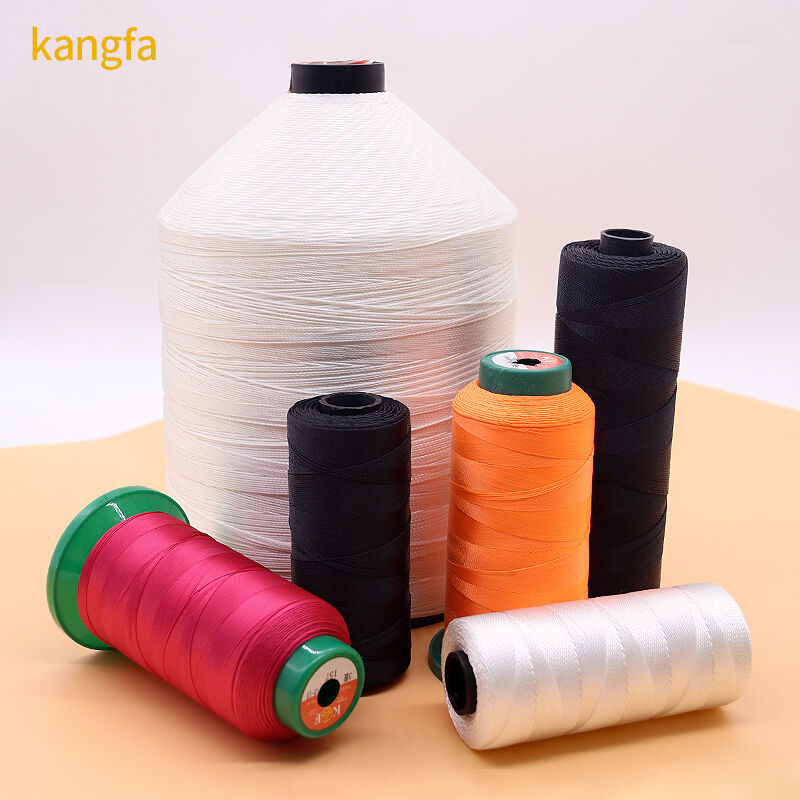
Industrial manufacturing environments demand precision-engineered materials capable of withstanding extreme operational stresses, and this requirement becomes particularly critical in textile assembly and heavy-duty garment production. A specialized heavy-duty high tenacity continuous filament sewing thread factory represents a sophisticated manufacturing operation dedicated to producing synthetic polymer threads engineered for maximum tensile strength, abrasion resistance, and dimensional stability under industrial sewing conditions. Unlike conventional spun threads composed of short staple fibers, high tenacity continuous filament sewing thread features uninterrupted molecular chains that deliver superior strength-to-weight ratios and consistent performance characteristics essential for technical textiles, automotive upholstery, outdoor gear, safety equipment, and heavy canvas products where seam integrity directly impacts product longevity and user safety.
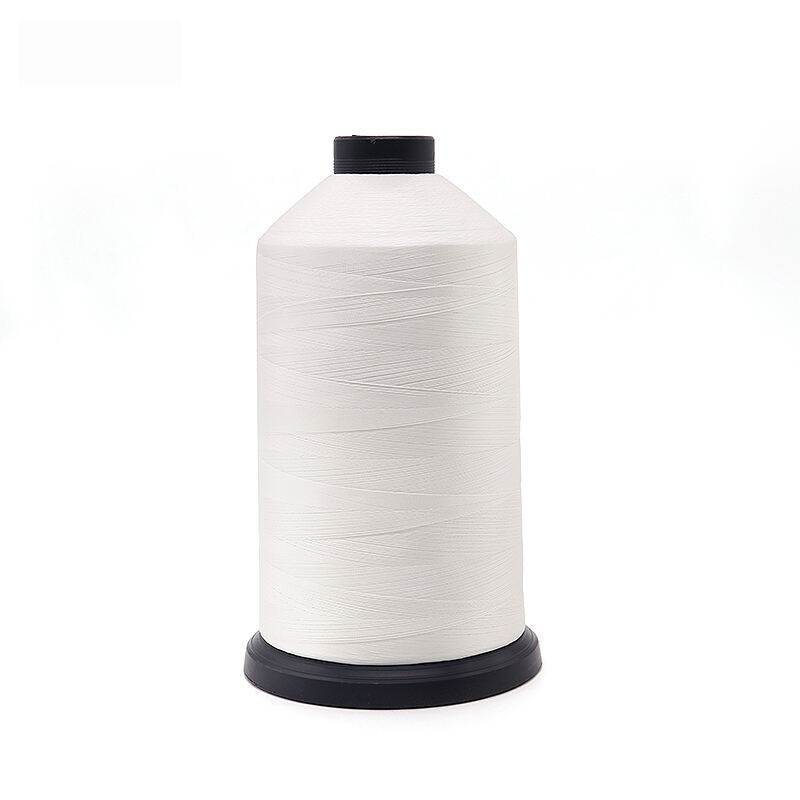
The specialized factory environment designed for manufacturing high tenacity continuous filament sewing thread integrates advanced polymer extrusion systems, precision draw-texturing equipment, multi-stage heat-setting chambers, and sophisticated quality control instrumentation that collectively ensure consistent thread properties across production batches. These facilities typically operate continuous polymerization and spinning lines capable of producing threads with tenacity ratings ranging from 7 to 9 grams per denier for nylon variants and 8 to 10 grams per denier for polyester formulations, significantly exceeding the strength parameters of standard commercial sewing threads. Factory operations must maintain stringent environmental controls including temperature regulation within ±2°C tolerance, humidity management between 55-65% relative humidity, and particulate filtration to ISO Class 7 cleanroom standards to prevent contamination during the extrusion and winding processes that could compromise thread integrity or introduce surface defects affecting sewability.
Polymer Chemistry and Extrusion Technology in Continuous Filament Production
Molecular Engineering for High Tenacity Performance
The foundation of high tenacity continuous filament sewing thread manufacturing begins with specialized polymer formulations engineered to maximize intermolecular bonding and crystalline structure formation. Factory polymerization reactors produce nylon 6,6 or polyester (polyethylene terephthalate) polymers with precisely controlled molecular weight distributions, typically maintaining number-average molecular weights between 18,000 and 25,000 g/mol for optimal processing characteristics and mechanical performance. These polymer melts undergo controlled extrusion through spinneret assemblies containing multiple capillary orifices arranged in specific geometric patterns, where hydraulic pressure forces the viscous polymer through precision-machined holes to form continuous filaments that immediately undergo quenching in controlled air streams.
The molecular orientation achieved during the spinning and drawing process fundamentally determines the tenacity characteristics of the finished high tenacity continuous filament sewing thread. Factory spinning lines operate at carefully calibrated take-up velocities ranging from 800 to 1200 meters per minute for partially oriented yarn production, followed by subsequent drawing operations that apply controlled tension while heating the filaments to temperatures just below their glass transition points. This thermal-mechanical treatment induces molecular chain alignment along the fiber axis, transforming amorphous polymer regions into highly oriented crystalline domains that provide the exceptional tensile strength distinguishing high tenacity threads from conventional filament yarns.
Multi-Stage Drawing and Heat-Setting Operations
Advanced factory drawing systems employ multiple heated roller sets operating at precisely differentiated surface velocities to achieve draw ratios typically ranging from 3.5:1 to 4.5:1 for high tenacity applications. The first drawing stage occurs at temperatures between 80-100°C for nylon or 90-110°C for polyester, inducing initial molecular orientation while maintaining sufficient polymer mobility to prevent filament breakage. Subsequent drawing stages progressively increase orientation while operating at incrementally higher temperatures, with final draw zones reaching 140-160°C for nylon variants and 160-180°C for polyester formulations, temperatures carefully selected to optimize crystalline structure development without inducing thermal degradation.
Heat-setting processes represent critical quality-determining operations in high tenacity continuous filament sewing thread manufacturing, as these thermal treatments stabilize the molecular orientation achieved during drawing while establishing the dimensional stability essential for consistent sewing performance. Factory heat-setting chambers maintain controlled atmospheres where the drawn filaments undergo relaxation under controlled tension at temperatures approaching but not exceeding the polymer's crystalline melting point, typically 200-210°C for nylon 6,6 and 230-240°C for polyester formulations. This thermal exposure, maintained for residence times ranging from 0.5 to 2.0 seconds depending on filament denier and desired properties, allows molecular chains to achieve thermodynamically stable configurations while maintaining the oriented crystalline structure responsible for high tenacity performance.
Precision Twisting and Structural Engineering
While continuous filament construction provides inherent strength advantages, factory twisting operations further enhance the cohesion and sewability characteristics of high tenacity continuous filament sewing thread by introducing controlled helical configurations that distribute tensile loads across multiple filaments. Two-for-one twisting machines commonly employed in specialized thread factories operate at speeds exceeding 200,000 revolutions per minute, inserting twist levels typically ranging from 15 to 25 turns per inch depending on thread ticket size and intended application requirements. This twisting process not only increases inter-filament friction and load distribution but also modifies the thread's surface characteristics, influencing its interaction with sewing machine needle eyes, tension discs, and fabric penetration behavior during high-speed industrial sewing operations.
Factory engineering decisions regarding twist direction, twist multiplicity, and balanced versus unbalanced twist configurations significantly impact the performance characteristics of the finished high tenacity continuous filament sewing thread. S-twist (clockwise) configurations typically provide optimal compatibility with standard industrial sewing machines, while Z-twist (counterclockwise) variants find application in specialized equipment or specific seam construction requirements. Balanced twist structures, achieved through controlled plying and final twist insertion, minimize torque-induced seam puckering and ensure dimensional stability in finished seams, particularly important in technical textile applications where aesthetic appearance and functional performance both carry critical importance.
Quality Control Systems and Performance Verification Protocols
In-Line Monitoring and Real-Time Process Control
Modern high tenacity continuous filament sewing thread factories implement comprehensive quality assurance systems beginning with continuous monitoring during polymer synthesis and extending through every subsequent processing stage. In-line optical sensors measure filament diameter at multiple process points with micrometer-level precision, providing real-time feedback to extrusion control systems that automatically adjust polymer flow rates, take-up speeds, and thermal zone temperatures to maintain dimensional tolerances within ±3% across production runs. These automated systems typically incorporate statistical process control algorithms that analyze trending data from hundreds of measurement points per minute, triggering immediate process adjustments when detected variations approach specified control limits and preventing the production of non-conforming material.
Factory quality control laboratories conduct systematic sampling protocols that evaluate critical performance parameters at established intervals throughout production shifts. Tensile testing equipment measures breaking strength, elongation at break, and elastic modulus for high tenacity continuous filament sewing thread samples, verifying that mechanical properties meet or exceed specification requirements typically calling for minimum tenacity values of 7.0 grams per denier for nylon and 8.0 grams per denier for polyester variants. These laboratory evaluations also assess uniformity characteristics including denier variation, twist variation, and strength variation along thread length, parameters that directly influence sewing performance consistency and seam quality in downstream manufacturing operations.
Sewability Testing and Application Performance Validation
Specialized thread factories maintain dedicated sewability testing facilities equipped with industrial sewing machines representative of customer equipment configurations, allowing systematic evaluation of how high tenacity continuous filament sewing thread performs under actual operating conditions. These validation protocols assess critical parameters including needle heating characteristics, loop formation consistency, thread tension stability, and seam appearance quality across variable machine speeds typically ranging from 3,000 to 6,000 stitches per minute. Factory technicians systematically document thread breakage rates, skip stitch frequency, and seam pucker severity across extended test runs, generating quantitative performance data that informs both process optimization decisions and customer application recommendations.
Abrasion resistance testing represents another critical validation protocol for high tenacity continuous filament sewing thread destined for heavy-duty applications where seam durability under friction exposure determines product service life. Factory quality laboratories employ standardized testing equipment including Martindale abrasion testers and Wyzenbeek machines that subject thread samples to controlled reciprocating abrasion cycles while monitoring tensile strength retention. High-quality thread typically maintains at least 75% of initial breaking strength after 50,000 abrasion cycles under standard test conditions, with premium grades designed for extreme-duty applications retaining 80% or greater strength after 100,000 cycles, performance levels achievable only through precise control of polymer chemistry, filament structure, and finishing treatments.
Color Fastness and Chemical Resistance Verification
For dyed high tenacity continuous filament sewing thread products, factory quality control protocols include comprehensive colorfastness testing to verify that applied colorants maintain stability under environmental exposures relevant to intended applications. Standard testing sequences evaluate color change and staining potential following exposure to laundering cycles, dry cleaning solvents, perspiration simulation solutions, light exposure equivalent to specified hours of xenon arc illumination, and chlorinated water immersion. Factory specifications typically require minimum Grade 4 colorfastness ratings on the standard gray scale for commercial applications, with technical textile and outdoor gear applications demanding Grade 4-5 or Grade 5 performance to ensure that thread color remains stable throughout product service life despite repeated cleaning and environmental exposure.
Chemical resistance characteristics assume particular importance for high tenacity continuous filament sewing thread intended for industrial workwear, automotive applications, and technical textiles where exposure to oils, solvents, acids, and alkalis occurs regularly during normal use conditions. Factory testing protocols expose thread samples to standardized chemical reagents at specified concentrations and temperatures, then evaluate tensile strength retention, dimensional stability, and visual appearance changes following controlled exposure periods. Premium polyester-based threads typically demonstrate superior resistance to acids and moderate alkalis, maintaining at least 90% strength retention after 24-hour immersion in solutions commonly encountered in industrial environments, while nylon variants exhibit excellent resistance to organic solvents and moderate acids, though showing reduced performance in strong alkaline environments.
Factory Infrastructure and Operational Efficiency Considerations
Production Line Configuration and Process Integration
Efficient high tenacity continuous filament sewing thread factory design integrates sequential processing operations into continuous production lines that minimize material handling, reduce work-in-process inventory, and maintain consistent product quality through uninterrupted processing. Modern facilities typically employ integrated spinning-drawing-twisting configurations where partially oriented yarn produced in the spinning section feeds directly into drawing zones without intermediate winding, eliminating material handling steps that could introduce contamination or physical damage. These continuous processing lines extend across 40 to 60 meters of factory floor space, incorporating multiple tension control zones, thermal treatment chambers, and monitoring stations that collectively transform polymer pellets into finished thread packages ready for downstream dyeing or direct shipment to end users.
Factory production capacity calculations for high tenacity continuous filament sewing thread must account for the complex interplay between extrusion throughput rates, drawing speed limitations, twisting machine productivity, and package winding capabilities. A typical medium-scale production line operating with 24 extrusion positions producing 150 denier thread at 1000 meters per minute spinning speed theoretically generates approximately 3,600 kilograms of base yarn per 24-hour operating period, though actual realized capacity typically ranges from 80-90% of theoretical maximum due to normal production interruptions, quality-related rejections, and equipment maintenance requirements. Maximizing factory efficiency requires careful synchronization of upstream and downstream process speeds to prevent bottleneck formation while maintaining buffer capacity sufficient to accommodate normal process variability without disrupting continuous operations.
Energy Management and Environmental Sustainability
The energy-intensive nature of polymer processing, thermal treatment, and mechanical operations inherent in high tenacity continuous filament sewing thread manufacturing creates substantial operational cost implications that progressive factory operations address through systematic energy management programs. Modern facilities implement variable frequency drives on motor systems, high-efficiency heating elements with precision temperature control, and waste heat recovery systems that capture thermal energy from polymer extrusion and heat-setting operations for use in auxiliary heating applications. These energy optimization measures typically reduce electrical consumption by 15-25% compared to conventional manufacturing configurations, directly improving operational cost competitiveness while simultaneously reducing environmental impact through decreased fossil fuel consumption and associated greenhouse gas emissions.
Water consumption represents another significant environmental consideration for thread factories operating dyeing and finishing departments, with conventional batch dyeing processes consuming 30-50 liters of water per kilogram of processed thread. Progressive factory operations increasingly adopt continuous dyeing systems, improved dye exhaustion chemistry, and multi-stage water recycling systems that collectively reduce water consumption to 10-15 liters per kilogram while simultaneously improving color consistency and reducing chemical discharge volumes. These environmental management initiatives not only address regulatory compliance requirements and corporate sustainability commitments but also generate measurable operational cost savings through reduced utility expenses and waste treatment costs, creating alignment between environmental responsibility and economic performance objectives.
Quality Management Systems and Industry Certification
Reputable high tenacity continuous filament sewing thread factories maintain comprehensive quality management systems conforming to ISO 9001 standards, implementing documented procedures for process control, product testing, nonconformance management, corrective action implementation, and continuous improvement initiatives. These management systems establish standardized protocols for every production operation from raw material receiving through finished product shipping, ensuring consistent execution of critical quality-determining activities regardless of individual operator variations or shift scheduling patterns. Factory quality documentation systems maintain complete traceability records linking finished thread lot numbers to specific raw material batches, processing parameters, and quality test results, enabling rapid root cause investigation when customer quality concerns arise and supporting continuous process improvement through systematic analysis of production trends.
Many industrial customers purchasing high tenacity continuous filament sewing thread for critical applications require factory compliance with additional certification standards beyond basic ISO 9001 quality management. The OEKO-TEX Standard 100 certification confirms that thread products meet stringent limits for harmful substances including regulated and non-regulated chemicals, providing assurance particularly important for apparel and textile products with direct skin contact. Automotive industry suppliers typically require ISO/TS 16949 certification (now IATF 16949) demonstrating specialized quality management capabilities specific to automotive supply chain requirements. Factory investment in these certification programs signals commitment to systematic quality management and provides competitive differentiation in markets where customers increasingly prioritize supply chain risk mitigation through qualified supplier selection.
Application-Specific Manufacturing Considerations and Market Segments
Technical Textile and Industrial Sewn Products
The technical textile sector represents a primary market segment for high tenacity continuous filament sewing thread, encompassing diverse applications including geotextiles, industrial filtration fabrics, conveyor belting, safety harnesses, and protective equipment where seam strength directly impacts product functionality and user safety. Factory production planning for this market segment emphasizes consistent mechanical properties and dimensional stability over aesthetic characteristics, with specifications typically calling for minimum breaking strengths ranging from 15 to 40 pounds depending on thread ticket size and specific application requirements. Manufacturing protocols for technical textile threads often incorporate specialized finishing treatments including fluoropolymer coatings that reduce friction and enhance abrasion resistance, silicone emulsions that improve sewability on coated fabrics, or antimicrobial additives that inhibit bacterial growth in medical textile applications.
Geotextile fabrication and civil engineering textile applications demand high tenacity continuous filament sewing thread variants specifically engineered for ultraviolet radiation resistance and hydrolysis stability, as these products face extended outdoor exposure under stressed conditions. Factory formulations for this application segment typically incorporate UV stabilizer packages at concentrations of 1.5-2.5% by weight, substantially higher than standard textile threads, and may employ inherently UV-resistant polymer variants including solution-dyed formulations that distribute chromophore molecules throughout the polymer matrix rather than relying on surface-applied dyes vulnerable to photodegradation. Quality specifications for geotextile threads typically require less than 30% strength loss following 1000 hours of accelerated weathering exposure in xenon arc testing equipment, performance levels achievable only through careful polymer selection and stabilizer optimization during factory formulation development.
Automotive Upholstery and Transportation Textiles
Automotive upholstery manufacturing represents another significant application segment for high tenacity continuous filament sewing thread, where products must simultaneously deliver exceptional strength, abrasion resistance, colorfastness, and aesthetic appearance while withstanding temperature extremes ranging from -40°C to +80°C encountered in vehicle interiors. Factory production specifications for automotive threads typically mandate polyester base polymers for their superior hydrolysis resistance compared to nylon alternatives, as moisture exposure combined with elevated temperatures accelerates polymer chain degradation in nylon formulations. Thread constructions for automotive applications frequently employ trilobal or modified cross-section filaments that enhance luster and visual appeal while maintaining the tensile properties essential for seam integrity in high-stress attachment points including seat bolsters, headrests, and door panel seams.
The demanding environmental exposure conditions characteristic of automotive applications require factory implementation of specialized thermal aging testing protocols that verify thread performance retention following extended exposure to elevated temperatures. Standard automotive testing specifications typically require high tenacity continuous filament sewing thread to maintain at least 75% of initial breaking strength following 168 hours of dry heat aging at 120°C, simulating years of accumulated thermal exposure in vehicle interiors. Factory quality control laboratories also conduct volatile organic compound emission testing to verify that thread products and associated processing chemicals meet increasingly stringent automotive interior air quality standards, with maximum allowable emission levels continuously decreasing as manufacturers address consumer concerns regarding interior air quality and associated health implications.
Outdoor Gear and Performance Apparel Markets
Manufacturers of outdoor recreational equipment, technical backpacks, performance footwear, and protective apparel represent growing market segments for high tenacity continuous filament sewing thread, driven by consumer expectations for exceptional product durability combined with lightweight construction and aesthetic appeal. Factory product development for this market segment emphasizes optimized strength-to-weight ratios achieved through fine denier constructions, typically ranging from 69 to 138 ticket sizes that provide adequate seam strength while minimizing bulk and weight contributions to finished products. These applications frequently specify bonded thread constructions where factory post-processing operations apply resin coatings that consolidate individual filaments, reduce inter-filament friction, and enhance sewability characteristics particularly important when assembling multiple fabric layers or penetrating dense woven materials common in technical outdoor products.
Colorfastness requirements assume particular importance for outdoor gear applications where products face continuous ultraviolet exposure, repeated laundering cycles, and contact with natural organic materials including perspiration, sunscreen compounds, and insect repellents. Factory dyeing operations for this market segment typically employ high-performance fiber-reactive or disperse dye systems that form covalent bonds with polymer molecules rather than relying on physical absorption mechanisms more vulnerable to environmental extraction. Premium outdoor gear threads typically meet or exceed Grade 4-5 colorfastness ratings across comprehensive testing protocols including 100 hours of xenon arc exposure, 40 standard laundering cycles, and standardized perspiration simulation testing, performance levels requiring careful dye selection, optimized dyeing process parameters, and effective post-dyeing fixation treatments to achieve consistent results across production batches.
FAQ
What distinguishes high tenacity continuous filament thread from regular sewing thread?
High tenacity continuous filament sewing thread differs fundamentally from regular thread through its molecular structure and manufacturing process, featuring uninterrupted polymer chains that extend continuously throughout the thread length rather than short staple fibers twisted together. This continuous filament construction, combined with specialized drawing processes that induce molecular orientation, produces threads with breaking strengths 40-60% higher than equivalent size spun threads made from staple fibers. The superior strength characteristics make these threads essential for heavy-duty applications including automotive upholstery, outdoor gear, safety equipment, and industrial sewn products where seam integrity directly impacts product functionality and user safety under demanding operational conditions.
How do factory environmental controls affect thread quality and performance?
Factory environmental conditions critically influence high tenacity continuous filament sewing thread quality through multiple mechanisms affecting polymer processing, dimensional stability, and consistency. Temperature variations during extrusion and drawing operations alter polymer viscosity and molecular orientation efficiency, with deviations of just 5°C potentially reducing thread tenacity by 8-12% while increasing variability across production batches. Humidity control prevents moisture absorption that causes dimensional changes in hygroscopic nylon threads and affects static electricity accumulation during high-speed processing, while particulate filtration eliminates contamination sources that create surface defects or weak points in continuous filaments. Factories maintaining stringent environmental controls within ±2°C temperature tolerance and 55-65% relative humidity consistently produce threads meeting demanding performance specifications for critical industrial applications.
Why do automotive applications specifically require polyester-based high tenacity thread?
Automotive upholstery applications mandate polyester-based high tenacity continuous filament sewing thread primarily due to superior hydrolytic stability compared to nylon alternatives, as vehicle interiors experience combined moisture and elevated temperature exposure that accelerates polymer chain degradation in nylon formulations. Polyester threads maintain at least 90% of original breaking strength following extended exposure to conditions simulating years of automotive service, while nylon variants under identical conditions may lose 25-40% strength due to moisture-catalyzed hydrolysis reactions. Additionally, polyester demonstrates better dimensional stability across the -40°C to +80°C temperature range encountered in vehicle interiors, superior resistance to common automotive fluids including oils and cleaning solvents, and lower volatile organic compound emissions meeting increasingly stringent automotive interior air quality standards implemented by major manufacturers.
What testing protocols verify thread suitability for technical textile applications?
Technical textile applications require comprehensive testing protocols evaluating mechanical performance, environmental durability, and chemical resistance characteristics essential for demanding industrial environments. Factory quality control laboratories conduct tensile testing measuring breaking strength, elongation, and elastic recovery under cyclic loading conditions simulating actual use stresses, with specifications typically requiring minimum tenacity values of 7-9 grams per denier depending on application severity. Abrasion resistance testing subjects threads to 50,000-100,000 reciprocating cycles while monitoring strength retention, with acceptable performance defined as maintaining at least 75% of original breaking strength. Additional protocols evaluate ultraviolet radiation resistance through accelerated weathering exposure, hydrolysis stability through elevated temperature moisture aging, and chemical resistance through immersion in acids, alkalis, and organic solvents representative of industrial exposure conditions, collectively verifying thread suitability for intended technical textile applications.
Table of Contents
- Polymer Chemistry and Extrusion Technology in Continuous Filament Production
- Quality Control Systems and Performance Verification Protocols
- Factory Infrastructure and Operational Efficiency Considerations
- Application-Specific Manufacturing Considerations and Market Segments
-
FAQ
- What distinguishes high tenacity continuous filament thread from regular sewing thread?
- How do factory environmental controls affect thread quality and performance?
- Why do automotive applications specifically require polyester-based high tenacity thread?
- What testing protocols verify thread suitability for technical textile applications?