 EN
EN

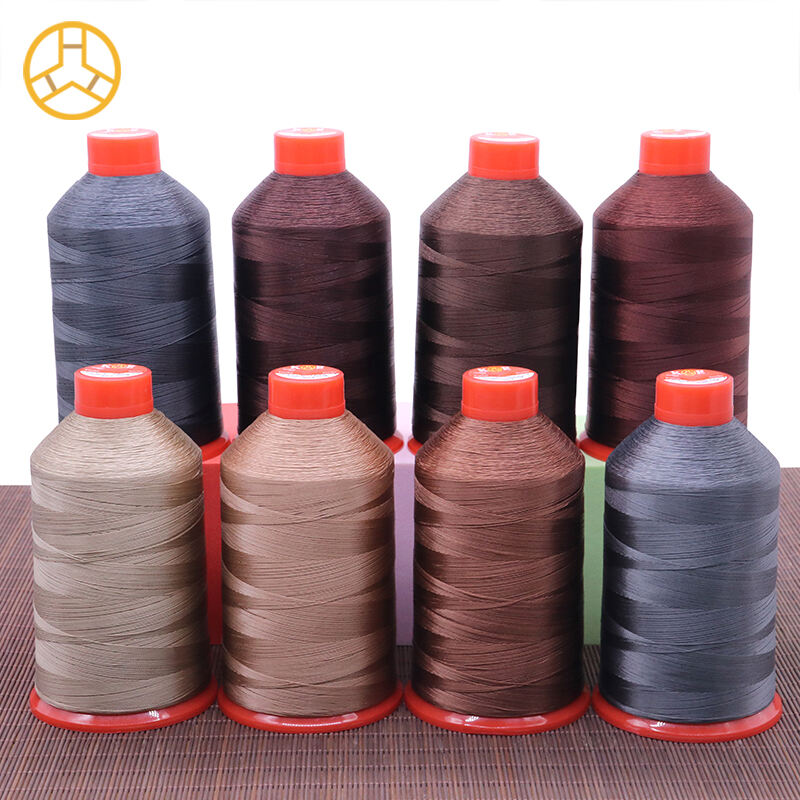
In the leathercraft industry, the quality of stitching materials directly determines the durability, aesthetic appeal, and overall performance of finished products. Professional leatherworkers, manufacturers, and artisans understand that selecting the right polyester waxed thread from a reliable manufacturer is not merely a purchasing decision—it is a strategic choice that influences production efficiency, product longevity, and customer satisfaction. Strong polyester waxed thread combines the tensile strength of synthetic fibers with the enhanced workability provided by wax coating, creating a material that resists abrasion, withstands environmental stress, and delivers consistent performance across diverse leathercraft applications. For businesses seeking dependable leathercraft supply solutions, partnering with an established manufacturer ensures access to thread that meets industrial standards while offering the technical specifications required for hand-stitching, machine sewing, and specialized leather assembly techniques.
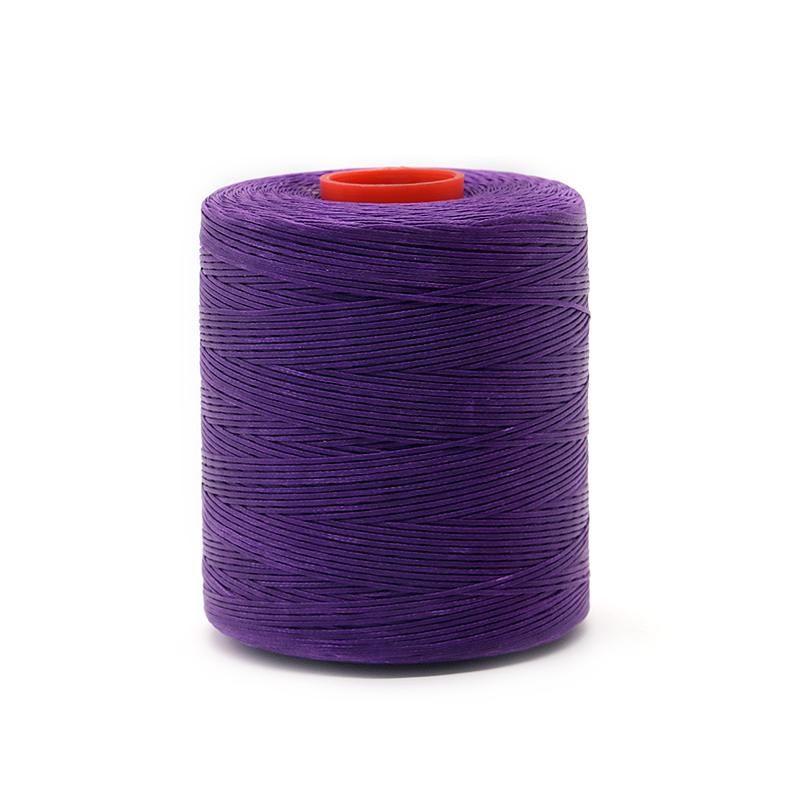
The manufacturing quality of polyester waxed thread impacts every stage of leather production, from initial cutting and preparation through final assembly and finishing. A competent manufacturer employs rigorous quality control processes, uses premium raw materials, and maintains production standards that ensure thread consistency across large-scale orders. Understanding what distinguishes a strong manufacturer in this specialized market helps leathercraft businesses make informed sourcing decisions that protect their reputation, reduce production downtime caused by thread breakage, and maintain the structural integrity of leather goods ranging from belts and bags to saddles and upholstery. This comprehensive examination explores the essential characteristics of quality polyester waxed thread manufacturers, the technical specifications that define strong thread performance, and the strategic considerations that guide successful supplier partnerships in the competitive leathercraft supply sector.
Understanding Polyester Waxed Thread Manufacturing Excellence
Material Selection and Fiber Quality Standards
The foundation of strong polyester waxed thread begins with the selection of high-grade polyester fibers that possess inherent tensile strength, resistance to ultraviolet degradation, and minimal elongation under stress. Reputable manufacturers source continuous filament polyester rather than spun staple fibers, as continuous filaments provide superior strength-to-weight ratios and create a smoother thread surface that reduces friction during needle penetration. The molecular structure of quality polyester contributes to excellent dimensional stability, meaning the thread maintains consistent diameter and tension characteristics throughout long production runs. Manufacturers committed to excellence conduct regular testing of raw fiber batches to verify that tensile strength meets or exceeds industry benchmarks, typically ranging from fifteen to twenty-five pounds for standard leathercraft applications. This rigorous material selection process ensures that the polyester waxed thread will perform reliably across varying leather thicknesses, from soft garment leather to heavy saddle leather requiring robust stitching solutions.
Beyond basic fiber strength, leading manufacturers evaluate additional material properties including colorfastness, chemical resistance, and thermal stability. Polyester fibers must withstand the wax coating process without degradation, maintain color integrity when exposed to sunlight and cleaning agents, and resist brittleness across temperature extremes encountered in different geographic markets and storage conditions. The polyester waxed thread manufacturing process involves careful temperature control during fiber processing to prevent crystallization patterns that could compromise flexibility or create weak points along the thread length. Manufacturers who invest in quality raw materials and maintain strict incoming inspection protocols establish the essential groundwork for producing thread that meets the demanding requirements of professional leathercraft operations.
Wax Application Technology and Coating Consistency
The wax coating applied to polyester thread serves multiple critical functions that directly impact stitching performance and finished product quality. Professional manufacturers utilize specialized coating equipment that applies natural or synthetic wax formulations in controlled thicknesses, ensuring complete fiber coverage while avoiding excessive buildup that could clog needles or create uneven thread diameters. The wax coating reduces friction between thread and leather during needle passage, minimizes thread fraying during hand-stitching operations, and provides a degree of water resistance that protects stitched seams from moisture penetration. Advanced manufacturers develop proprietary wax blends that balance these functional requirements with environmental considerations, increasingly incorporating plant-based waxes that deliver comparable performance to traditional paraffin formulations while supporting sustainability objectives valued by environmentally conscious leathercraft businesses.
Coating consistency represents a crucial quality indicator that separates exceptional manufacturers from mediocre suppliers. Uniform wax application ensures that polyester waxed thread exhibits predictable handling characteristics throughout each spool, eliminating the frustrating variability that causes tension inconsistencies during machine sewing or hand-stitching. Leading manufacturers employ inline monitoring systems that continuously measure coating thickness and adjust application parameters in real-time, preventing the formation of thick spots or bare patches that compromise thread performance. The wax coating process also includes controlled cooling stages that allow the wax to fully penetrate fiber interstices and achieve optimal adhesion, preventing premature wax shedding during storage or use. This attention to coating technology detail distinguishes manufacturers who view thread production as a precision engineering discipline rather than a commodity manufacturing process.
Quality Control Systems and Testing Protocols
Robust quality control systems form the operational backbone of trustworthy polyester waxed thread manufacturers serving the leathercraft supply market. Comprehensive testing protocols begin with incoming raw material inspection and continue through every production stage, culminating in final product verification before packaging and shipment. Manufacturers committed to quality maintain dedicated testing laboratories equipped with tensile strength analyzers, abrasion resistance testers, colorfastness chambers, and needle penetration simulators that replicate real-world stitching conditions. These testing regimens generate quantitative data that verifies thread specifications and identifies potential quality deviations before defective products reach customers. Statistical process control methodologies enable manufacturers to track performance trends over time, implementing corrective actions when measurements approach specification limits rather than waiting for customer complaints to signal quality problems.
Leading manufacturers also conduct application-specific testing that evaluates how polyester waxed thread performs under conditions encountered in various leathercraft operations. This includes stitch formation quality on different leather types, thread behavior during high-speed machine sewing, knot security for hand-stitching applications, and long-term durability under simulated wear conditions. Manufacturers who invest in application testing develop deep technical knowledge about how their thread performs across diverse use cases, enabling them to provide informed recommendations to customers and continuously improve product formulations based on real-world performance feedback. The commitment to rigorous testing distinguishes manufacturers who prioritize customer success over short-term production volume, building lasting partnerships based on consistent product quality and technical support.
Technical Specifications That Define Strong Thread Performance
Tensile Strength and Breaking Load Characteristics
Tensile strength represents the fundamental performance metric for polyester waxed thread used in leathercraft applications, measuring the maximum force the thread can withstand before breaking. For general leatherwork involving garment leather, upholstery, and light accessories, thread with breaking loads between ten and fifteen pounds typically provides adequate strength with manageable stitch tightness. Heavy-duty applications including saddle making, harness construction, and industrial leather goods require thread capable of withstanding twenty to thirty pounds or more without failure. Strong manufacturers offer polyester waxed thread in multiple thickness grades, each engineered to deliver appropriate tensile strength for specific application requirements. The relationship between thread diameter and breaking strength follows predictable engineering principles, with manufacturers providing detailed specifications that enable leatherworkers to select optimal thread sizes that balance strength requirements with aesthetic considerations and leather thickness compatibility.
Beyond absolute breaking strength, professional leathercraft operations value thread that exhibits minimal elongation under working loads, maintaining stitch tension consistency throughout the product's service life. Polyester fibers naturally resist stretching compared to natural fiber alternatives, and quality manufacturers enhance this characteristic through controlled drawing processes during fiber production that align molecular chains and maximize dimensional stability. Thread that stretches excessively under tension creates loose stitches that compromise seam integrity and aesthetic appearance, while thread with appropriate elongation characteristics distributes stress evenly across stitched seams and accommodates the slight dimensional changes that leather undergoes with humidity fluctuations. Manufacturers who publish comprehensive technical data sheets including elongation percentages at various load levels demonstrate technical sophistication and support informed material selection by professional leathercraft operations.
Abrasion Resistance and Durability Factors
Abrasion resistance determines how well polyester waxed thread withstands the repetitive friction encountered during both the stitching process and the product's functional lifespan. During hand-stitching operations, thread passes through leather multiple times as needles are drawn through pre-punched holes, creating significant frictional forces that can fray or weaken inferior thread. Machine sewing subjects thread to even more severe abrasion as it passes through tension discs, thread guides, and needle eyes at high speeds. The wax coating applied by quality manufacturers serves as a protective barrier that reduces friction and prevents fiber damage, while the underlying polyester fiber structure must possess inherent abrasion resistance to maintain integrity after the wax partially wears away. Strong manufacturers conduct standardized abrasion testing using equipment that simulates thousands of stitching cycles, verifying that their polyester waxed thread maintains structural integrity throughout realistic use scenarios.
Long-term durability extends beyond initial stitching performance to encompass the thread's behavior throughout the leather product's service life. Stitched seams in leather goods experience continuous flexing, exposure to ultraviolet radiation, contact with body oils and perspiration, and periodic cleaning with various chemical agents. Quality polyester waxed thread resists these environmental stressors through the inherent chemical stability of polyester polymers, which do not support bacterial growth, resist degradation from common cleaning solvents, and maintain strength despite prolonged UV exposure. Manufacturers who understand the complete product lifecycle conduct accelerated aging tests that simulate years of use in compressed timeframes, validating that their thread maintains acceptable strength retention and appearance characteristics. This comprehensive approach to durability testing ensures that leathercraft businesses can confidently guarantee the longevity of their finished products, building brand reputation through reliable performance rather than facing warranty claims caused by thread failure.
Color Consistency and Aesthetic Properties
While functional performance drives primary thread selection decisions, aesthetic properties significantly influence customer satisfaction and product marketability in the leathercraft industry. Color consistency across production batches enables manufacturers to maintain predictable visual appearance in their leather goods, particularly important for businesses producing serialized products or fulfilling large orders that span multiple production runs. Professional polyester waxed thread manufacturers employ advanced dyeing technologies that achieve deep color penetration throughout fiber cross-sections rather than surface coating that fades with use or exposure. Batch-to-batch color matching requires sophisticated spectrophotometric measurement systems and carefully controlled dye formulations that account for natural variations in raw materials and processing conditions. Manufacturers who maintain extensive color libraries with hundreds of standard shades demonstrate the technical capability and market commitment that distinguishes industry leaders from basic commodity suppliers.
The visual appearance of polyester waxed thread also encompasses factors including luster, twist uniformity, and surface smoothness that contribute to overall stitch quality perception. The wax coating imparts a subtle sheen that enhances the professional appearance of stitched seams while the uniformity of thread twist affects how consistently individual stitches lay against the leather surface. Manufacturers who optimize these aesthetic properties produce thread that elevates the perceived quality of finished leather goods, supporting premium pricing strategies and brand differentiation in competitive markets. The balance between functional performance and aesthetic refinement requires manufacturing expertise that considers the complete value chain from raw material selection through final product presentation, a comprehensive perspective that characterizes manufacturers who view themselves as strategic partners rather than transactional suppliers.
Strategic Advantages of Partnering With Established Manufacturers
Production Capacity and Supply Chain Reliability
Production capacity represents a critical consideration for leathercraft businesses evaluating potential polyester waxed thread suppliers, particularly as operations scale beyond artisanal volumes. Established manufacturers maintain sufficient production infrastructure to fulfill large orders without compromising quality or extending lead times, utilizing multiple production lines that provide redundancy against equipment failures and enable rapid response to urgent requirements. The ability to process substantial orders consistently distinguishes manufacturers capable of supporting growing leathercraft businesses from smaller operations that struggle to meet increased demand during seasonal peaks or major contract fulfillment. Professional manufacturers also maintain strategic inventory positions of both raw materials and finished goods, buffering customers against supply chain disruptions and enabling quick turnaround on replenishment orders that minimize working capital requirements for leathercraft operations.
Supply chain reliability extends beyond production capacity to encompass logistics capabilities, documentation systems, and communication practices that support seamless business relationships. Leading polyester waxed thread manufacturers implement enterprise resource planning systems that provide real-time visibility into order status, inventory levels, and shipment tracking, eliminating the uncertainty that complicates production planning for customer businesses. Reliable suppliers maintain established relationships with freight carriers that ensure consistent delivery performance across domestic and international shipping routes, particularly important for leathercraft businesses operating in multiple geographic markets. The administrative infrastructure supporting production operations—including accurate invoicing, responsive customer service, and proactive communication about potential delays or supply issues—separates professional manufacturers from less sophisticated suppliers whose operational shortcomings create frustration and business risk for customers.
Technical Support and Application Expertise
The technical knowledge accumulated by experienced polyester waxed thread manufacturers represents valuable intellectual capital that benefits customer businesses through application guidance, troubleshooting assistance, and product optimization recommendations. Manufacturers who invest in technical staff with deep understanding of leathercraft processes can advise customers on optimal thread selection for specific applications, appropriate needle sizes for different thread diameters, and machine tension settings that produce ideal stitch formation. This consultative approach transforms the manufacturer-customer relationship from transactional commodity purchasing to strategic partnership where both parties collaborate to optimize production efficiency and product quality. Technical support becomes particularly valuable when leathercraft businesses encounter stitching problems—thread breakage, tension inconsistencies, or appearance issues—where manufacturer expertise can quickly identify root causes and implement effective solutions that minimize production disruption.
Application expertise also enables manufacturers to recommend product innovations that enhance customer competitiveness, such as specialized polyester waxed thread formulations optimized for emerging leather finishing techniques or bonded thread constructions that improve seam strength in high-stress applications. Manufacturers who actively engage with market trends and customer feedback continuously refine their product offerings to address evolving requirements, maintaining technical leadership rather than simply replicating existing products. This innovation orientation creates opportunities for leathercraft businesses to differentiate their products through superior materials and construction techniques, supporting premium market positioning and improved profitability. The value of technical partnership extends throughout the business relationship, from initial product selection through ongoing process optimization and new product development initiatives.
Customization Capabilities and Private Label Services
Customization flexibility represents an increasingly important differentiator among polyester waxed thread manufacturers serving sophisticated leathercraft markets. Leading manufacturers offer color matching services that develop custom thread shades precisely coordinated with specific leather dyes or brand color palettes, enabling leathercraft businesses to achieve distinctive visual identities that enhance brand recognition and customer loyalty. Custom color development requires technical expertise in dye formulation, spectrophotometric analysis, and production process control that ensures consistent reproduction across multiple production batches. Manufacturers with these capabilities support leathercraft businesses seeking to establish unique market positions through carefully curated aesthetic elements that extend across all product components including leather, hardware, and stitching materials.
Private label services expand customization options by enabling leathercraft businesses to market polyester waxed thread under their own brand identities, creating additional revenue streams and strengthening relationships with downstream customers. Manufacturers offering private label programs typically provide custom packaging design, labeling services, and minimum order quantities structured to accommodate businesses at various scale levels. These programs allow established leathercraft operations to extend their brand portfolios beyond finished goods into complementary supply categories, capturing additional margin while controlling the quality of materials associated with their brand reputation. The willingness of manufacturers to support private label initiatives signals confidence in product quality and commitment to long-term customer success rather than short-term transactional relationships. For leathercraft businesses evaluating potential suppliers, customization and private label capabilities indicate manufacturing sophistication and strategic partnership orientation that supports mutual growth objectives.
Evaluating Manufacturers for Long-Term Partnership Success
Quality Certifications and Industry Standards Compliance
Professional manufacturers serving the leathercraft supply market typically maintain quality management system certifications that verify their organizational commitment to consistent production standards and continuous improvement practices. International standards including ISO 9001 quality management certification provide third-party validation that manufacturers implement systematic approaches to quality control, document their processes comprehensively, and conduct regular internal audits to verify compliance. These certifications offer leathercraft businesses assurance that suppliers maintain professional management systems rather than informal operations vulnerable to inconsistent quality and operational disruptions. While certifications alone do not guarantee product excellence, they indicate organizational maturity and process discipline that correlate strongly with reliable supplier performance. Manufacturers who pursue voluntary certification demonstrate market sophistication and willingness to submit to external oversight that distinguishes them from less committed competitors.
Industry-specific standards and testing protocols provide additional frameworks for evaluating polyester waxed thread quality and manufacturer capabilities. Professional manufacturers conduct testing according to standardized methodologies established by organizations including ASTM International, ensuring that published specifications can be meaningfully compared across different suppliers and verified through independent testing when necessary. Compliance with relevant chemical safety regulations—particularly important for products that may contact human skin through leather garments and accessories—demonstrates manufacturer awareness of regulatory requirements and commitment to product safety beyond basic functional performance. Leathercraft businesses operating in regulated markets or serving institutional customers with formal procurement requirements benefit significantly from partnering with manufacturers who maintain comprehensive compliance documentation and readily provide testing certifications that satisfy audit requirements. The administrative burden of supplier qualification decreases substantially when manufacturers proactively maintain quality documentation and certification programs aligned with customer needs.
Sustainability Practices and Environmental Responsibility
Environmental sustainability increasingly influences sourcing decisions across the leathercraft industry as both consumer preferences and regulatory requirements drive demand for responsibly produced materials. Progressive polyester waxed thread manufacturers implement sustainability initiatives including waste reduction programs, energy efficiency improvements, and water conservation measures that minimize environmental impact while often improving operational efficiency. The thread manufacturing process generates waste streams including fiber trimmings, dye residues, and packaging materials that require proper management to prevent environmental contamination. Manufacturers who invest in waste recycling systems, wastewater treatment facilities, and pollution control equipment demonstrate environmental stewardship that protects community resources while potentially reducing operating costs through material recovery and resource efficiency. Leathercraft businesses building sustainable brand identities benefit from partnering with suppliers whose environmental practices align with their corporate values and support credible sustainability claims to end consumers.
Material sourcing decisions also reflect manufacturer commitment to sustainability, particularly regarding wax coating formulations and packaging materials. Traditional paraffin wax derives from petroleum sources, prompting environmentally conscious manufacturers to develop plant-based wax alternatives from renewable resources including soy, beeswax, and carnauba that deliver comparable performance with reduced fossil fuel dependence. Packaging innovations including recyclable spools, reduced packaging materials, and biodegradable labeling components minimize waste generation throughout the supply chain. Manufacturers who transparently communicate their sustainability initiatives and provide supporting documentation enable leathercraft businesses to verify supplier claims and integrate accurate information into their own environmental reporting. The authenticity and substance of manufacturer sustainability programs varies significantly across the industry, requiring careful evaluation beyond marketing claims to identify suppliers whose practices genuinely support environmental responsibility rather than superficial greenwashing efforts.
Pricing Structure and Total Cost of Ownership Analysis
Price comparison represents a natural element of supplier evaluation, yet sophisticated leathercraft businesses recognize that purchase price constitutes only one component of total ownership cost. The complete economic impact of polyester waxed thread selection includes factors such as thread consumption rates per finished product, rework costs associated with quality issues, production downtime from thread-related problems, and the impact of thread quality on finished product durability and warranty costs. Premium thread that costs moderately more per unit may deliver superior value through reduced consumption, fewer production interruptions, and enhanced product longevity that strengthens brand reputation and reduces warranty exposure. Conversely, apparently economical thread that breaks frequently, creates stitching inconsistencies, or fails prematurely in finished products generates hidden costs that far exceed initial purchase price savings. Comprehensive total cost analysis requires understanding both direct material costs and indirect impacts on production efficiency and product quality.
Pricing transparency and structure also merit consideration when evaluating potential polyester waxed thread suppliers. Professional manufacturers maintain clear pricing frameworks based on order quantities, delivery terms, and payment conditions that enable straightforward cost comparison and budgeting. Volume discount structures reward growing relationships and provide economic incentives for order consolidation that reduces transaction costs for both parties. Manufacturers who maintain stable pricing over extended periods demonstrate operational efficiency and market confidence, contrasting with suppliers whose frequent price fluctuations create budgeting uncertainty and administrative burden. Payment terms including net payment periods and early payment discounts affect working capital requirements and overall procurement costs, particularly important for smaller leathercraft businesses managing cash flow carefully. The combination of competitive pricing, transparent structure, and favorable commercial terms contributes to overall partnership value beyond the isolated consideration of per-unit thread cost.
FAQ
What thread thickness should I choose for different types of leathercraft projects?
Thread thickness selection depends primarily on leather weight and application requirements. For garment leather and light accessories typically ranging from two to four ounces, polyester waxed thread in 138 to 207 tex provides appropriate strength without overwhelming delicate materials. Medium-weight projects including belts, bags, and upholstery using four to eight ounce leather work well with 277 to 346 tex thread that delivers necessary strength while maintaining reasonable stitch visibility. Heavy-duty applications such as saddles, harnesses, and industrial goods using leather heavier than eight ounces require robust thread in 415 to 554 tex or larger sizes. Beyond these general guidelines, consider whether hand-stitching or machine sewing will be used, as hand-stitching typically accommodates slightly heavier thread for given leather weights. Aesthetic preferences also influence selection, with some leatherworkers preferring prominent contrast stitching using heavier thread while others favor subtle seams using finer thread matched to leather color. Quality manufacturers provide technical guidance on optimal thread selection for specific applications, accounting for leather type, stitching method, and performance requirements to ensure successful outcomes.
How does wax coating affect thread performance compared to unwaxed polyester thread?
The wax coating applied to polyester thread provides several critical performance advantages specifically valuable for leathercraft applications. Most importantly, wax lubrication reduces friction between thread and leather during needle passage, decreasing the force required to pull thread through material and minimizing heat generation that could damage either thread or leather. This friction reduction becomes particularly significant during hand-stitching operations where thread passes through leather multiple times, as unwaxed thread tends to fray and weaken from repeated abrasion against leather edges. The wax coating also binds individual fibers together, preventing separation and fuzzing that compromises both stitch appearance and thread strength. Additionally, wax provides modest water resistance that helps protect stitched seams from moisture penetration, though it should not be considered waterproofing. For machine sewing applications, waxed thread runs more smoothly through tension assemblies and needle eyes, reducing skipped stitches and thread breakage that interrupt production. While unwaxed polyester thread offers adequate performance for some textile applications, the specific demands of leathercraft—thick materials, tight stitch spacing, and hand-stitching techniques—make wax coating nearly essential for optimal results and user satisfaction.
Can polyester waxed thread be used with both hand-stitching and sewing machines?
Yes, quality polyester waxed thread performs excellently in both hand-stitching and machine sewing applications, though optimal results require attention to thread specifications and equipment setup. For hand-stitching, leatherworkers appreciate how wax coating facilitates smooth thread passage through pre-punched holes while providing sufficient grip for achieving tight, even stitches. The wax helps thread maintain position during complex stitching patterns and prevents tangling that can frustrate hand-stitching work. For machine applications, polyester waxed thread must be selected with appropriate wax coating thickness—excessive wax can accumulate on needles and tension discs, requiring frequent cleaning, while properly formulated thread runs cleanly through machine components. Industrial sewing machines designed for leather typically handle waxed thread without modification, though tension settings may require adjustment compared to unwaxed thread. Domestic machines and lighter commercial equipment sometimes experience difficulty with heavily waxed thread, making thread selection and testing particularly important. When transitioning between hand and machine work, many leathercraft operations maintain separate thread inventories optimized for each application method, though versatile mid-weight polyester waxed thread formulations serve both purposes adequately for many projects. Manufacturer technical support can provide guidance on selecting thread formulations that match specific equipment and application requirements.
What factors cause thread breakage during leather stitching and how can they be prevented?
Thread breakage during leather stitching typically results from several common factors that can be systematically addressed through proper material selection and process control. Using thread with insufficient tensile strength for the leather thickness and stitch tension represents the most fundamental cause, resolved by selecting appropriately sized polyester waxed thread that provides adequate breaking load with reasonable safety margin. Needle size mismatch creates another frequent problem—needles too small for thread diameter create excessive friction and heat that weakens thread, while oversized needles create large holes that compromise stitch appearance. Dull or damaged needles generate excessive friction that frays thread and may include burrs that actively cut fibers. Machine tension settings that apply excessive force to thread during lockstitch formation stress thread beyond design limits, particularly problematic at stitch initiation points and when sewing thick seams where multiple leather layers concentrate tension. Thread path obstructions including rough edges on machine components, improperly aligned thread guides, or accumulated lint and wax residue create friction points that gradually damage thread. Prevention strategies include selecting quality thread appropriate for application requirements, maintaining sharp needles in correct sizes, adjusting machine tensions to manufacturer specifications, regularly cleaning and inspecting equipment for thread path smoothness, and verifying that thread storage conditions prevent degradation from ultraviolet exposure or excessive heat. When breakage problems persist despite these measures, consulting with thread manufacturers can identify subtle factors related to leather characteristics, stitching technique, or equipment setup that may require specialized solutions.
Table of Contents
- Understanding Polyester Waxed Thread Manufacturing Excellence
- Technical Specifications That Define Strong Thread Performance
- Strategic Advantages of Partnering With Established Manufacturers
- Evaluating Manufacturers for Long-Term Partnership Success
-
FAQ
- What thread thickness should I choose for different types of leathercraft projects?
- How does wax coating affect thread performance compared to unwaxed polyester thread?
- Can polyester waxed thread be used with both hand-stitching and sewing machines?
- What factors cause thread breakage during leather stitching and how can they be prevented?