 EN
EN

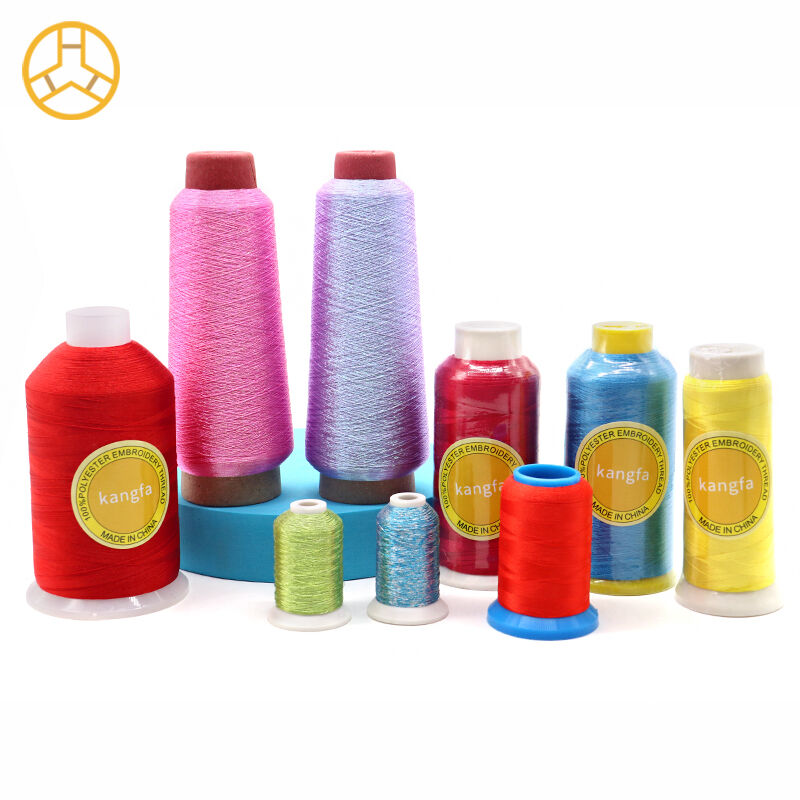
When it comes to heavy-duty upholstery, the strength and durability of the thread used can determine whether a finished product lasts for years or fails prematurely under stress. Selecting the right bonded thread is not a minor detail — it is a foundational decision that affects seam integrity, product longevity, and customer satisfaction across industries including automotive interiors, commercial furniture, marine seating, and industrial cushioning. Manufacturers who source from a specialized bonded thread factory understand that thread performance is inseparable from the quality of the end product.
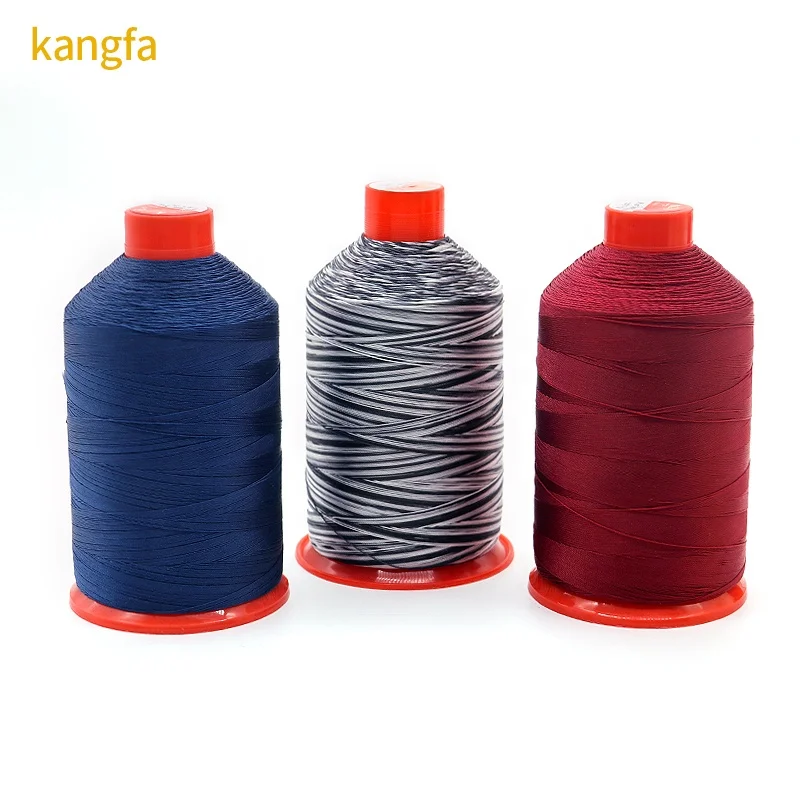
A high-strength bonded thread designed for heavy-duty upholstery applications must meet rigorous technical standards. It needs to resist abrasion, withstand repeated mechanical stress, and maintain consistent tension during high-speed machine sewing without breaking or fraying. This article explores what makes a factory-grade bonded thread the right choice for demanding upholstery work, how it is engineered, what properties to evaluate, and how to align your sourcing decisions with actual production requirements.
What Makes Bonded Thread Suitable for Heavy-Duty Upholstery
The Bonding Process and Its Functional Role
Bonded thread is manufactured by bonding multiple filament yarns together through a resin coating process. This bonding locks the fibers in place, preventing them from separating during stitching and creating a smooth, unified strand that feeds through sewing machine needles and guides consistently. In heavy-duty upholstery applications, this characteristic is critical because loose or unbonded fibers can snag, cause thread jams, or create uneven tension that weakens the seam over time.
The resin used in the bonding process also contributes to the thread's resistance to moisture, chemicals, and UV exposure. For upholstery applications like car cushions, boat seats, or outdoor furniture, these environmental resistances are not optional — they are baseline requirements. A properly bonded thread retains its structural integrity even when exposed to humidity cycles, cleaning agents, or prolonged sunlight, making it far more reliable than standard twisted or core-spun alternatives.
Factory-produced bonded thread for heavy-duty use is typically constructed from nylon or polyester filaments, each offering specific performance profiles. Nylon bonded thread, for example, provides superior elasticity and abrasion resistance, which makes it particularly well-suited for seating that endures repeated compression and flexing, such as car cushions, sofa seats, and commercial chairs.
Thread Ticket Count and Tensile Strength Ratings
Understanding ticket count is essential when sourcing bonded thread for upholstery. Ticket numbers correspond to the thickness of the thread, with lower ticket numbers indicating heavier, thicker threads. For heavy-duty upholstery, thread in the Tex 135 to Tex 270 range is commonly specified. These heavier counts deliver the tensile strength needed to hold thick leather, vinyl, or layered foam-backed fabric together under strain.
Tensile strength is directly correlated with the denier of the filament and the number of plies. A high-denier bonded thread, such as those produced from 840-denier nylon, delivers exceptional load-bearing capacity per stitch. This is the specification range used in demanding applications like truck seat upholstery, heavy machinery operator seats, and commercial-grade sofas that must pass rigorous durability testing before reaching the end user.
Seam strength in upholstery is not just about the fabric — it depends equally on the thread. A bonded thread with inadequate tensile strength may hold under static conditions but fail quickly when subjected to dynamic stress, such as a person sitting down repeatedly or a seat being adjusted. Sourcing from a factory that quantifies and certifies tensile strength values gives procurement teams confidence in consistent batch-to-batch performance.
Key Technical Specifications to Evaluate from a Bonded Thread Factory
Denier, Ply Construction, and Diameter Consistency
The denier rating of a bonded thread tells you the linear mass density of the fiber — how much a set length of thread weighs. For heavy-duty upholstery, threads based on 840-denier nylon filament offer a favorable balance between thread diameter, strength, and needle compatibility. When evaluating a factory's product lineup, always confirm the denier of the base filament alongside the ply count, because these two variables together define the thread's actual cross-sectional strength.
Diameter consistency is equally important for automated sewing operations. Variations in thread diameter cause inconsistent needle penetration, irregular stitch formation, and increased thread breakage rates on industrial sewing machines running at high speeds. A reputable bonded thread factory maintains strict quality control protocols to ensure diameter uniformity across the entire spool or cone, not just at sample points. This is especially important for large-volume production environments where downtime caused by thread inconsistencies translates directly into lost productivity.
Ply construction determines how the thread behaves under torque and tension during stitching. Three-ply and higher constructions distribute stress more evenly across the filaments, reducing the risk of localized breakage. For heavy-duty upholstery where seams must resist multi-directional stress — such as the corner seams of a sofa cushion or the edge binding of a car seat — higher-ply bonded thread provides measurably better seam durability.
Surface Lubrication and Machine Compatibility
Bonded thread intended for industrial sewing machines requires a precisely applied surface lubricant. This lubricant reduces friction between the thread and the needle, the thread guides, and the bobbin case. Insufficient lubrication causes excessive heat buildup at the needle, which can weaken synthetic threads like nylon through localized melting or stress degradation. Over-lubrication, on the other hand, leads to slippage, poor stitch lock, and contamination of the upholstery material.
Experienced bonded thread factories engineer their lubrication levels to match the intended application and machine type. For high-speed post-bed or cylinder-bed machines used in automotive upholstery, the thread must pass through tight guides and sharp needle angles without generating excessive friction. This requires a lubricant formulation that remains stable across a wide range of ambient temperatures — important in factory environments that may not have climate control year-round.
Before committing to a large order of bonded thread, it is advisable to run sewing trials on your specific machine configuration and material combination. This real-world validation step helps confirm compatibility and identify any adjustments needed to tension settings, needle size, or feed speed. A factory with application knowledge can provide technical guidance on these parameters, reducing the trial-and-error period significantly.
How a Bonded Thread Factory Supports Heavy-Duty Upholstery Production at Scale
Production Consistency and Batch Traceability
For upholstery manufacturers working at scale — producing hundreds or thousands of units per day — consistency across thread batches is non-negotiable. Color matching must remain stable between dye lots. Strength values must fall within specified tolerance bands. Thread elongation and elasticity should not vary significantly from one production run to the next. A factory that cannot guarantee this consistency creates downstream quality risks that are difficult and costly to manage.
Batch traceability is a feature that distinguishes professional bonded thread factories from commodity suppliers. When each spool or cone is labeled with production batch information, quality teams can trace any thread-related defects back to the source batch and take corrective action before more inventory is consumed. This level of supply chain visibility is increasingly required by OEM automotive suppliers and commercial furniture manufacturers who operate under ISO or similar quality management frameworks.
The ability to maintain color consistency is particularly important in upholstery applications where thread color is a design element. Mismatched thread color — even by a small degree — is immediately visible in topstitching, saddle-stitching, and decorative seam work. A factory that controls its dyeing processes with precision and offers standardized color references enables upholstery designers to incorporate thread color as a reliable aesthetic variable.
Customization Capabilities and Technical Collaboration
Not all upholstery applications share identical thread requirements. A marine upholstery manufacturer may need bonded thread with enhanced UV stabilization and resistance to saltwater degradation. An automotive OEM may require thread that passes specific flame-retardancy standards. A luxury furniture maker may need ultra-fine diameter thread in precise color matches for hand-stitched detailing. A capable bonded thread factory can accommodate these variations through custom formulations, specialty coatings, or tailored ply constructions.
Technical collaboration between the thread factory and the upholstery manufacturer can also yield process improvements. Factory engineers who understand both the thread's construction and the sewing machine dynamics can recommend thread specifications that reduce needle breakage, extend machine maintenance intervals, or improve seam appearance. This kind of knowledge transfer adds value beyond the thread itself and strengthens the commercial relationship over time.
For procurement managers evaluating a new bonded thread supplier, requesting technical data sheets, quality certification documentation, and references from comparable-industry customers is standard practice. The data sheet for a high-performance bonded thread should include tensile strength, elongation at break, linear density, lubrication level, and applicable end-use recommendations.
Application Scenarios Where High-Strength Bonded Thread is Essential
Automotive and Transportation Seating
Automotive seating is one of the most demanding environments for bonded thread. Car cushions and seat covers must withstand tens of thousands of occupant load cycles over the vehicle's lifetime, along with exposure to interior temperature extremes, UV from sunlight through glass, and cleaning products. The bonded thread used in these applications must not only maintain mechanical integrity but also resist color fading and surface degradation that would compromise the interior's appearance over time.
Heavy trucks, buses, and commercial vehicles impose even greater demands. Seating in these vehicles accommodates heavier occupants, undergoes more frequent use cycles, and may be exposed to outdoor conditions during entry and exit. Thread failures in commercial vehicle seating carry safety and warranty implications, making the selection of a reliable bonded thread source a critical procurement decision for vehicle equipment manufacturers and upholstery contractors alike.
Rail and aviation seating also rely on bonded thread that meets specific fire, smoke, and toxicity standards in addition to mechanical performance requirements. Factories that produce bonded thread certified to relevant aerospace or rail interior standards provide upholstery manufacturers with a defensible path to compliance without requiring independent thread testing for every production run.
Commercial Furniture and Institutional Upholstery
Hotels, hospitals, theaters, and corporate offices require upholstered furniture that can withstand heavy daily use from many different individuals. The seams in these applications experience stress patterns that differ from residential furniture, as occupants of varying weights and movement styles interact with seating repeatedly throughout the day. Bonded thread in these applications must maintain seam strength across the full range of expected user interactions without showing visible wear or thread fatigue.
Healthcare upholstery adds chemical resistance to the list of requirements, since patient chairs and examination tables are regularly cleaned with disinfectants that can attack poorly bonded or unprotected threads. A bonded thread with appropriate chemical resistance — built into the bonding resin formulation — remains structurally sound even after hundreds of cleaning cycles, ensuring that the upholstery remains safe and professional in appearance over its intended service life.
Shoe manufacturing represents another industrial sector where bonded thread plays a central role. High-strength bonded thread is used to stitch together shoe uppers, sole attachments, and decorative elements in footwear designed for durability and performance. The mechanical demands on thread in footwear closely parallel those in upholstery — abrasion resistance, seam strength, and flexibility under repeated flexing are all essential performance parameters.
FAQ
What is the difference between bonded thread and regular sewing thread for upholstery?
Bonded thread is coated with a resin that locks its filaments together, creating a smooth, unified strand that resists fraying, feeds consistently through sewing machines, and delivers higher tensile strength than standard twisted or core-spun thread. For heavy-duty upholstery, this bonding provides the seam durability, abrasion resistance, and machine compatibility required by industrial production standards that regular sewing thread cannot reliably match.
What denier or ticket size of bonded thread is recommended for car cushion and sofa upholstery?
For car cushions and sofa upholstery, bonded thread in the Tex 135 to Tex 270 range, often based on 840-denier nylon filament, is widely used. This range provides sufficient tensile strength for high-stress seam applications while remaining compatible with heavy-duty industrial sewing machines. The specific ticket size should be selected based on material thickness, needle size, and the structural demands of the seam design.
How do I evaluate whether a bonded thread factory meets quality standards for industrial use?
Request technical data sheets that specify tensile strength, elongation at break, linear density, and lubrication level. Ask for quality management certifications relevant to your industry and request batch traceability documentation. Conducting sewing trials with sample spools on your production machines before committing to volume orders is strongly recommended, as real-world performance validation is more informative than specifications alone.
Can bonded thread be used on standard home sewing machines or only on industrial equipment?
Heavy-duty bonded thread designed for upholstery is generally optimized for industrial sewing machines that can handle thicker thread diameters and higher tension settings. Standard home sewing machines typically lack the throat capacity, presser foot pressure, and tension range needed to sew thick bonded thread through heavy materials. However, lighter-weight bonded thread products may be compatible with heavy-duty domestic machines, and the thread manufacturer can advise on machine suitability for specific thread specifications.
Table of Contents
- What Makes Bonded Thread Suitable for Heavy-Duty Upholstery
- Key Technical Specifications to Evaluate from a Bonded Thread Factory
- How a Bonded Thread Factory Supports Heavy-Duty Upholstery Production at Scale
- Application Scenarios Where High-Strength Bonded Thread is Essential
-
FAQ
- What is the difference between bonded thread and regular sewing thread for upholstery?
- What denier or ticket size of bonded thread is recommended for car cushion and sofa upholstery?
- How do I evaluate whether a bonded thread factory meets quality standards for industrial use?
- Can bonded thread be used on standard home sewing machines or only on industrial equipment?