 EN
EN

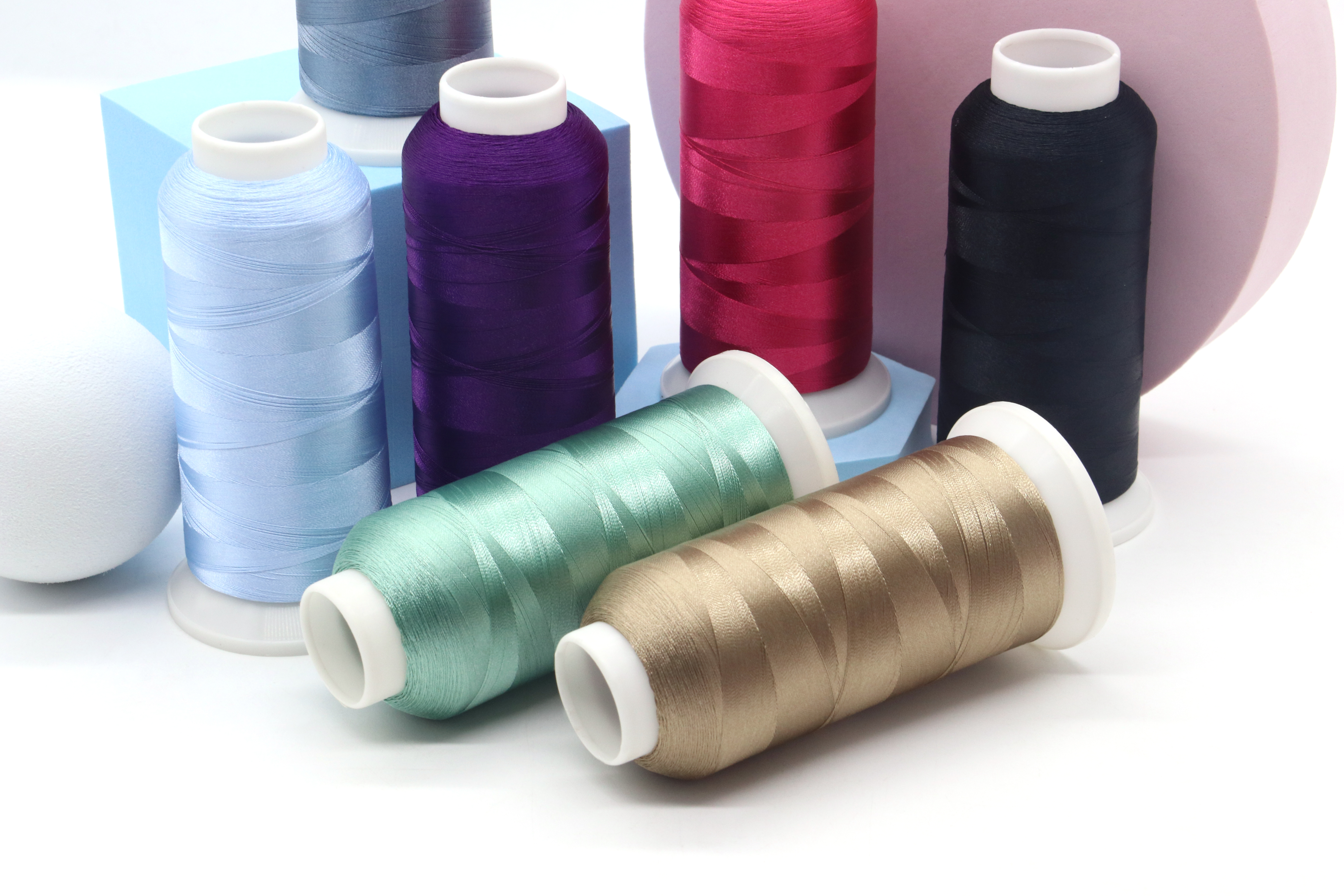
In the world of textile manufacturing, few quality benchmarks matter as much as color fastness. When brands and apparel producers source embroidery thread for their finished goods, they expect colors to remain vivid through repeated washing, prolonged sunlight exposure, and the mechanical stress of commercial use. Factories that produce embroidery thread have developed rigorous, multi-stage processes to guarantee that every spool leaving their facility meets internationally recognized color fastness standards. Understanding how these processes work helps buyers make better sourcing decisions and reduces the risk of costly quality failures in the field.
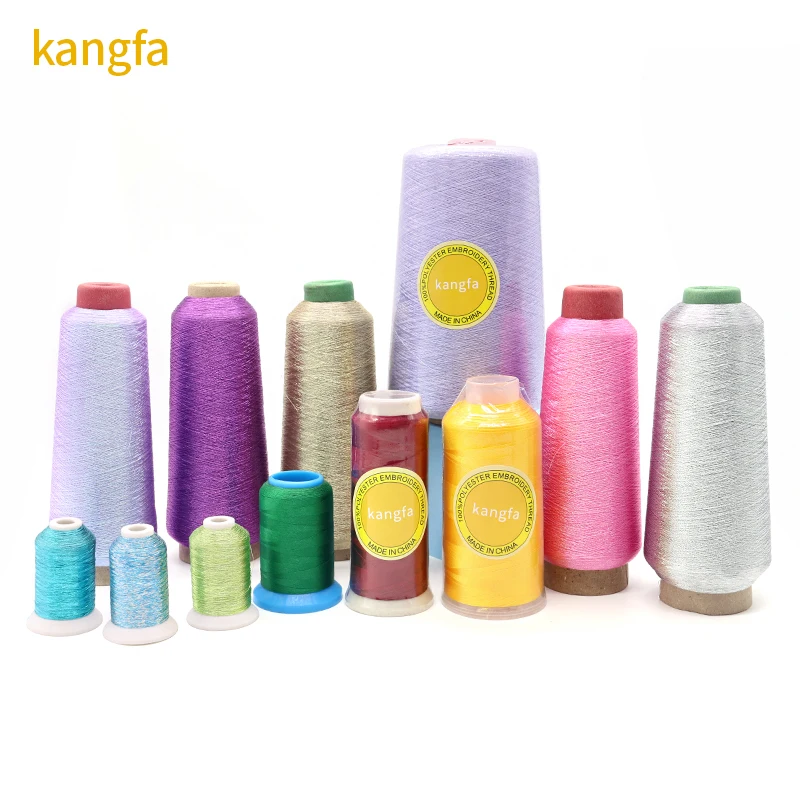
Color fastness is not a single property but a family of performance metrics that measure how well dye adheres to fiber under different stress conditions. A high-quality embroidery thread must perform well against washing fastness, rubbing fastness, light fastness, perspiration fastness, and more. Factories that consistently achieve top-tier ratings across all these categories rely on a combination of premium raw materials, advanced dyeing chemistry, precision engineering, and systematic quality control. This article examines each pillar of that process in depth.
Raw Material Selection as the Foundation of Color Fastness
Choosing the Right Fiber Base
The journey toward superior color fastness in embroidery thread begins long before any dye enters the process. The choice of fiber substrate plays a decisive role in determining how deeply and permanently a colorant will bond. Polyester fibers, for example, accept disperse dyes under high-temperature pressure dyeing conditions, creating a dye-fiber bond that is inherently resistant to washing and light degradation. Rayon and cotton fibers respond to reactive or vat dyes, each with distinct fastness profiles that factory chemists must account for during formulation.
Factories that consistently produce high-fastness embroidery thread work closely with upstream fiber suppliers to ensure that raw yarn meets strict specifications for denier consistency, moisture content, and surface cleanliness. Contaminated or inconsistently drawn fibers create irregular dye uptake, which manifests as uneven color and reduced fastness even when the dyeing process itself is properly executed. This upstream discipline is a silent but critical contributor to downstream performance.
In recent years, the shift toward 100% polyester embroidery thread in commercial machine embroidery has been partly driven by polyester's superior color fastness profile compared to older rayon alternatives. Polyester's dense molecular structure limits dye migration during washing and reduces photodegradation under UV exposure, making it the preferred choice for applications where long-term vibrancy is a product requirement.
Dye Selection and Colorant Quality
Not all dyes perform equally, and experienced factories invest significantly in sourcing high-grade colorants that are designed specifically for the fiber types they process. For polyester embroidery thread, this typically means selecting disperse dyes with proven light fastness ratings of 5 or above on the ISO blue wool scale, and washing fastness ratings of 4 or above on the ISO grey scale. These benchmarks are the industry standard for apparel-grade thread used in commercial embroidery applications.
Dye selection also involves understanding metamerism risk — the phenomenon where two colors match under one light source but diverge under another. Skilled colorists at embroidery thread factories evaluate dye combinations under multiple illuminants before approving a formulation for production. This step is especially important for fashion and brand identity applications where color consistency across batches and lighting conditions is a contractual obligation.
The Dyeing Process: Engineering for Permanence
High-Temperature Pressure Dyeing for Polyester
For polyester embroidery thread, the most critical process variable is the dyeing temperature. Polyester fibers must be dyed under pressurized conditions at temperatures typically between 125°C and 135°C. At these temperatures, the polymer chains within the fiber relax slightly, allowing disperse dye molecules to penetrate deeply into the fiber core rather than sitting on the surface. Once the temperature drops and the chains contract again, the dye molecules are physically locked within the fiber structure, producing a bond that resists both mechanical abrasion and chemical attack from laundry detergents.
Factories control this process with precision dyeing machines equipped with programmable temperature and pressure profiles. The heating and cooling rates are carefully managed to ensure uniform dye penetration across all threads in the dye bath. Inconsistent heating leads to patchy absorption and uneven fastness, which is why modern embroidery thread factories invest heavily in closed-loop thermal control systems that monitor and adjust conditions in real time throughout every dyeing cycle.
After the main dye cycle, a reduction clearing process is typically applied to remove any surface-adsorbed dye that has not fully migrated into the fiber. This step is essential for achieving high rubbing fastness ratings. Thread that skips this step may appear correctly colored but will transfer dye to adjacent fabrics during washing or abrasion — a serious quality defect for finished garments.
Dye Bath Chemistry and Auxiliary Management
Beyond temperature, the chemical composition of the dye bath has a major influence on the color fastness of finished embroidery thread. Factories maintain precise control over pH levels, auxiliary chemical concentrations, and liquor ratios to ensure that dye molecules behave predictably during the fixation phase. Dispersing agents prevent dye aggregation, leveling agents promote even distribution across the thread mass, and fixing agents enhance the bond between colorant and fiber in certain dye-fiber systems.
Water quality is another factor that sophisticated factories manage carefully. Hard water containing excessive calcium or magnesium ions can interfere with dye chemistry, leading to inconsistent uptake and reduced fastness. Many facilities use deionized or softened water throughout their dyeing operations and test incoming water supplies regularly to catch fluctuations before they affect production quality.
Color Fastness Testing Protocols at the Factory Level
In-Process Testing During Production
Responsible embroidery thread manufacturers do not wait until a batch is fully finished to test color fastness. Instead, they build testing checkpoints into the production sequence itself. After the dyeing stage is complete but before final winding and packaging, representative samples are pulled from each batch for fastness evaluation. If a batch fails to meet the required standard, it can be re-processed or rejected before it consumes further value-added steps.
Standard in-process tests for embroidery thread include ISO 105-C06 for washing fastness, ISO 105-B02 for light fastness using a xenon arc lamp, ISO 105-X12 for rubbing fastness, and ISO 105-E04 for perspiration fastness. These methods use standardized staining scales and grey scales for comparison, allowing technicians to assign numerical ratings that can be reported to customers and verified by third-party laboratories on request.
Final Batch Release Testing and Documentation
Before any batch of embroidery thread receives a release certificate, it goes through a final round of quality testing. This typically includes a full panel of fastness assessments as well as dimensional checks such as twist per unit length, tensile strength, and elongation at break. Factories that supply major apparel brands must maintain detailed test records for every production batch, enabling full traceability from raw material lot to finished spool.
Many high-volume factories also conduct periodic cross-batch color matching analysis using spectrophotometric equipment. These instruments measure the reflectance of dyed thread across the visible spectrum and compare the result against an approved standard stored in a color management database. Deviations beyond a pre-agreed tolerance trigger an investigation and a corrective action review. This systematic approach ensures that color fastness and color consistency are maintained not just within a single batch but across repeated production runs over time.
Process Consistency and Continuous Improvement Systems
Standard Operating Procedures and Process Repeatability
Color fastness is not an outcome that can be achieved through one-time heroics in the laboratory. It requires a factory-wide commitment to process discipline. Established embroidery thread manufacturers document every critical process parameter in validated standard operating procedures, covering raw material intake specifications, dye formulation protocols, machine setup requirements, and post-treatment procedures. These documents ensure that any trained operator following the procedure will produce a result within the validated quality range.
Regular calibration of dyeing machines, testing instruments, and measurement tools is part of the same discipline. A factory's color fastness testing results are only as reliable as the instruments producing them. Xenon arc lamps used for light fastness testing have a finite useful life and must be replaced on schedule. Testing apparatus must be cleaned and standardized according to the governing ISO or AATCC methods. These seemingly administrative steps have a direct impact on the integrity of quality claims made by the embroidery thread producer.
Supplier Audits and Certification Alignment
Leading factories align their color fastness programs with recognized international certifications such as OEKO-TEX Standard 100, which restricts the use of harmful substances in textile production and indirectly supports better fastness through cleaner chemistry. Achieving and maintaining such certifications requires regular third-party audits of both the production process and the chemical inputs used in dyeing. For buyers of embroidery thread, a certified product offers a meaningful signal of process discipline and chemical safety.
Some factories also participate in brand-specific restricted substance list compliance programs, which place additional requirements on the types of dyes and auxiliaries permitted in production. Meeting these requirements forces factories to upgrade their dye inventories to higher-performance, lower-risk colorants, which often also delivers improved fastness ratings as a secondary benefit. The regulatory and commercial incentives, in this sense, pull in the same direction as quality goals.
FAQ
What is considered a good color fastness rating for embroidery thread used in commercial garments?
For most commercial apparel applications, a washing fastness rating of 4 or above on the ISO grey scale and a light fastness rating of 5 or above on the ISO blue wool scale are considered acceptable. Premium embroidery thread products targeting performance or workwear markets often target ratings of 4-5 or 5 across multiple fastness categories. Buyers should confirm the specific standards applicable to their end-use market, as requirements vary between regions and product categories.
How does polyester embroidery thread compare to rayon in terms of color fastness?
Polyester embroidery thread generally achieves superior color fastness compared to rayon, particularly for washing and light fastness. This is because polyester fibers accept disperse dyes under high-temperature pressure dyeing conditions, creating a deeply embedded dye bond that is resistant to both aqueous washing and UV exposure. Rayon, being a cellulosic fiber, is dyed with reactive or vat dyes that require careful selection and process control to achieve comparable performance, and often falls short in light fastness for outdoor or performance applications.
Can buyers request third-party color fastness test reports from embroidery thread factories?
Yes. Reputable embroidery thread manufacturers maintain batch-level test records and can typically provide test reports issued by accredited independent laboratories on request. Buyers sourcing large volumes or supplying major retail brands should make this a standard part of their supplier qualification process. Third-party reports provide independent verification that fastness claims are not self-assessed, and they ensure traceability in the event of a field quality dispute.
How does washing frequency affect the long-term color fastness of embroidery thread on finished garments?
Even high-quality embroidery thread will experience some degree of color change over many wash cycles, but well-dyed thread with a rating of 4 or above should maintain acceptable appearance through the expected service life of a commercial garment — typically 30 to 50 wash cycles at standard domestic washing temperatures. Factors that accelerate color loss include washing at excessively high temperatures, prolonged exposure to chlorine bleach, harsh mechanical action in industrial laundering, and extended drying in direct sunlight. Garment care instructions should be matched to the fastness profile of the thread used in the embroidery design.
Table of Contents
- Raw Material Selection as the Foundation of Color Fastness
- The Dyeing Process: Engineering for Permanence
- Color Fastness Testing Protocols at the Factory Level
- Process Consistency and Continuous Improvement Systems
-
FAQ
- What is considered a good color fastness rating for embroidery thread used in commercial garments?
- How does polyester embroidery thread compare to rayon in terms of color fastness?
- Can buyers request third-party color fastness test reports from embroidery thread factories?
- How does washing frequency affect the long-term color fastness of embroidery thread on finished garments?