 EN
EN

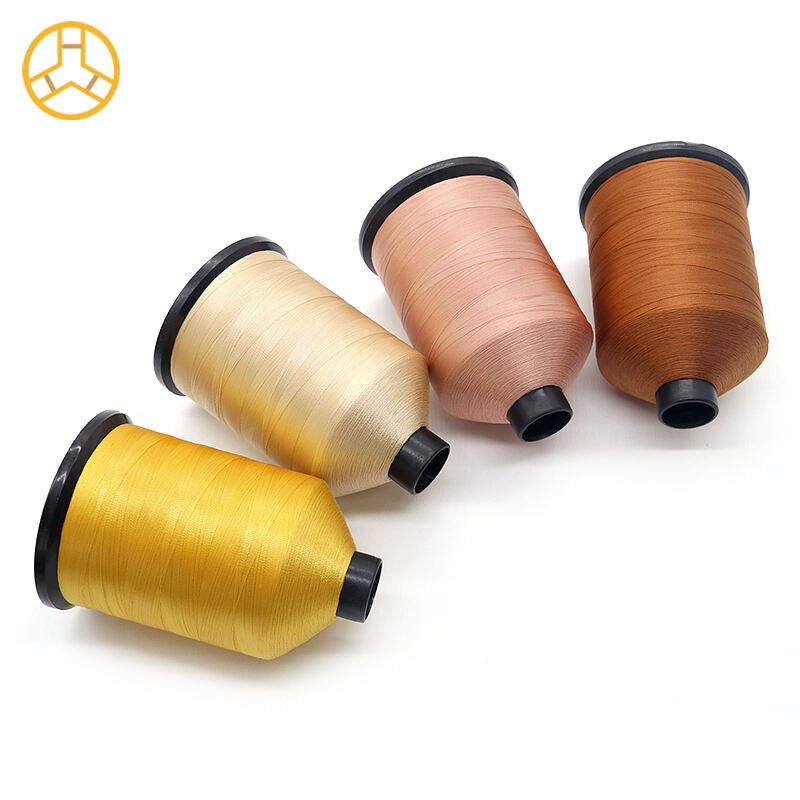
Choosing the right industrial embroidery thread for high-speed machine operations is one of the most critical decisions a production facility can make. In environments where embroidery machines run continuously at thousands of stitches per minute, thread performance directly influences output quality, machine uptime, and operational cost. A thread that cannot withstand the mechanical stress of high-speed motion will snap frequently, cause needle breaks, and create costly production interruptions. This is why industrial buyers prioritize sourcing from a supplier who genuinely understands the demands placed on embroidery thread for high-speed machine environments.
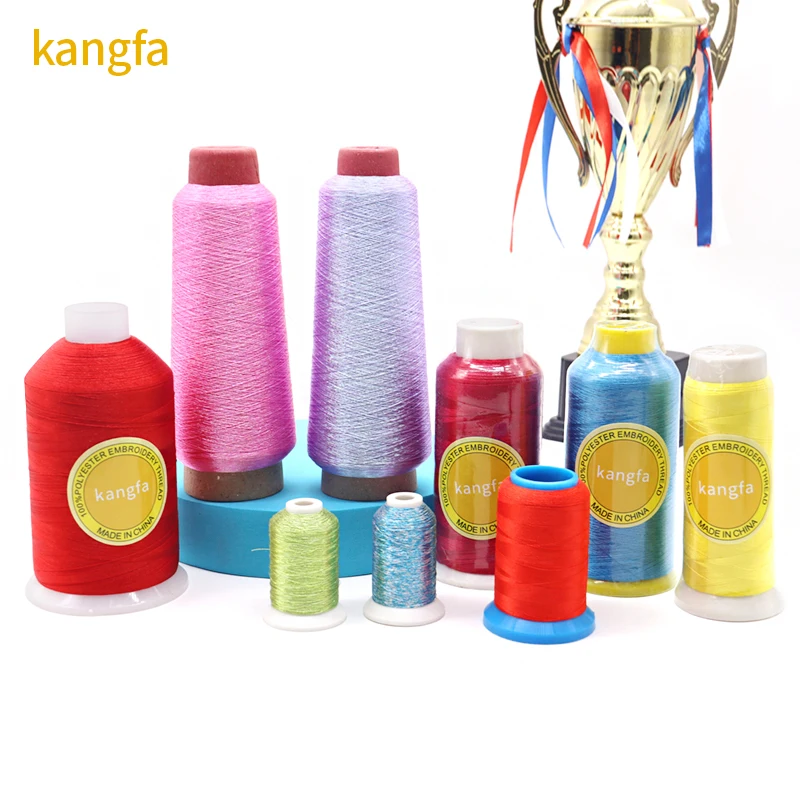
The global embroidery industry has grown more demanding, with multi-head commercial machines operating at speeds that push conventional thread to its limits. An industrial supplier capable of delivering consistent, engineered embroidery thread for high-speed machine use becomes a strategic partner rather than just a commodity vendor. This article explores the key product, technical, and sourcing considerations that define a reliable industrial embroidery thread supplier in today's competitive manufacturing landscape.
Understanding Thread Performance Requirements for High-Speed Embroidery
Mechanical Stress and Thread Integrity
High-speed embroidery machines exert extraordinary mechanical forces on thread with every stitch cycle. The thread passes through tensioning systems, take-up levers, needle eyes, and fabric at rapid repetition, generating friction and tension that weaker threads simply cannot endure. Industrial-grade embroidery thread for high-speed machine applications must maintain consistent tensile strength throughout the entire spool, from the outermost layer to the core, to prevent breakage at inopportune moments.
Thread twist and ply construction are fundamental to this integrity. A well-twisted multi-ply thread distributes mechanical stress more evenly across its cross-section, reducing the risk of fiber separation or sudden snapping. Manufacturers who engineer their thread specifically for high-speed conditions calibrate the twist per inch to balance flexibility and strength, ensuring the thread can handle the rapid direction changes inherent in complex embroidery patterns without losing structural cohesion.
The smoothness of thread surface also plays a decisive role. Rough or inconsistently finished thread increases friction at the needle eye, generates heat buildup, and accelerates needle wear. Industrial suppliers invest in surface treatments and finishing processes that give the embroidery thread for high-speed machine use a uniform, lubricated profile, allowing it to travel through machine components with minimal resistance across extended production runs.
Colorfastness and Dye Stability Under Production Conditions
In high-speed industrial embroidery, thread is often subjected to heat generated by needle friction, especially when machines run non-stop for hours. Thread that lacks proper dye stability will experience color migration, fading, or transfer, compromising the visual quality of finished embroidered goods. A dependable embroidery thread for high-speed machine production must offer excellent colorfastness under both thermal and mechanical stress conditions.
Industrial buyers who serve fashion, uniform, or promotional markets cannot afford color inconsistencies across production batches. A supplier with rigorous dye control processes and batch-to-batch color consistency guarantees allows buyers to maintain brand color standards across thousands of pieces. Rich, saturated colors that remain stable from the first stitch to the last are a non-negotiable specification for professional embroidery operations.
Advanced dyeing technology enables suppliers to produce a broad color palette while still meeting industrial performance standards. The interaction between dye chemistry and polyester fiber chemistry must be carefully managed to prevent bleeding, crocking, or uneven distribution within the thread structure. A supplier with in-house color management systems and laboratory testing capabilities provides a higher level of assurance than one relying purely on outsourced dyeing processes.
Polyester as the Preferred Fiber for Industrial High-Speed Applications
Why Polyester Dominates High-Speed Embroidery Production
Among the various fiber types available, polyester has become the dominant choice for embroidery thread for high-speed machine use in industrial settings. Polyester offers an exceptional combination of tensile strength, elasticity, and resistance to moisture, chemicals, and UV exposure that makes it suitable for a wide range of end-product applications. Unlike rayon, which is prone to breakage under high tension and moisture sensitivity, polyester maintains dimensional stability even in humid production environments or when embroidering moisture-wicking fabrics.
The synthetic nature of polyester also allows manufacturers to engineer thread properties with greater precision. Fiber denier, elongation, and surface characteristics can be adjusted to meet the specific demands of different machine types, needle gauges, and fabric substrates. This engineered consistency translates directly into fewer thread breaks per shift, lower waste, and more predictable machine performance over time.
From a cost-efficiency perspective, polyester embroidery thread for high-speed machine use offers excellent value. Its durability means fewer spool changes and less downtime, while its resistance to degradation ensures embroidered products retain their appearance through repeated washing, commercial laundering, and exposure to outdoor conditions. For industrial buyers supplying workwear, sportswear, or branded merchandise markets, this longevity is a key selling point that justifies premium thread sourcing.
Thread Count, Denier, and Spool Length Specifications
Industrial embroidery operations require thread specifications that align with their machine configurations. The 150D/2 specification—a 150 denier two-ply construction—represents a widely adopted standard for embroidery thread for high-speed machine use because it balances thread weight with the strength needed to withstand high-cycle mechanical demands. This specification works effectively across a broad range of multi-head embroidery machines used in commercial production environments.
Spool length is equally important for industrial buyers who need to minimize changeover frequency and maintain production flow. Long-length spools, such as 5000-meter configurations, allow machines to run for extended periods without requiring operator intervention for thread replacement. This reduces labor costs, eliminates micro-interruptions that disrupt production rhythm, and helps factories achieve higher output per shift.
Consistent thread thickness across the full spool length is a quality specification that separates industrial-grade product from lower-tier alternatives. Diameter variation within a spool causes tension fluctuations as the thread feeds through the machine, leading to uneven stitch density, looping on the fabric underside, and potential thread breaks at thinly spun sections. A reliable supplier maintains tight tolerances on thread uniformity through automated quality monitoring during production.
Evaluating an Industrial Embroidery Thread Supplier
Production Consistency and Quality Control Infrastructure
When assessing a supplier of embroidery thread for high-speed machine production, the buyer's primary concern should be the supplier's ability to deliver consistent quality across large volumes and repeated orders. Industrial embroidery facilities often run the same color and specification across tens of thousands of meters per month, and any variation in quality between batches creates operational problems that cascade through the production schedule.
A credible industrial supplier maintains quality control at multiple stages of the manufacturing process, including raw material inspection, in-process monitoring of twist and tension, dye bath management, and final product testing. Suppliers who can provide traceable quality data, color measurement reports, and tensile strength test results demonstrate a level of operational discipline that gives industrial buyers confidence in long-term supply reliability.
Certifications and compliance standards also signal a supplier's commitment to consistent production practices. Compliance with international dyestuff safety standards such as OEKO-TEX, for example, indicates that the embroidery thread for high-speed machine use has been tested for harmful substances, which is increasingly important for buyers supplying European or North American end markets with strict regulatory requirements for apparel and textile products.
Supply Capacity, Lead Times, and Order Flexibility
An industrial supplier must have the production capacity and logistics infrastructure to meet the volume demands of commercial embroidery operations. Inconsistent supply or unpredictable lead times undermine production planning and force buyers to carry excessive safety stock. Evaluating a supplier's manufacturing capacity, warehouse capability, and freight options is an essential part of the sourcing due diligence process for embroidery thread for high-speed machine applications.
Order flexibility is another dimension of supplier capability that industrial buyers value. The ability to order in bulk while also accommodating specific color or specification requests on shorter lead times gives production managers greater agility to respond to customer demand changes. Suppliers who offer standardized minimum order quantities with scalable volumes serve the needs of both growing embroidery businesses and established large-scale operations.
Responsive customer service and technical support further differentiate capable industrial suppliers. When a production team encounters thread performance issues—such as unexpected breakage patterns or color inconsistencies—having direct access to knowledgeable technical representatives who understand embroidery thread for high-speed machine dynamics allows problems to be diagnosed and resolved quickly, minimizing costly downtime.
Matching Thread Selection to Machine Type and Application
Thread Compatibility with Multi-Head Commercial Embroidery Machines
Not all embroidery thread for high-speed machine use is equally suitable for every machine platform. Multi-head commercial embroidery machines, which may carry six, twelve, or even more heads operating simultaneously, create simultaneous demands on thread across all positions. Thread must feed smoothly and consistently from all spools to maintain uniform stitch quality across every head and throughout the full production run.
Thread tension settings on high-speed commercial machines are calibrated to a specific thread profile. When thread diameter or surface texture deviates from the calibrated norm, tension imbalances emerge across the machine heads, leading to stitch quality inconsistencies that require time-consuming machine adjustments. Industrial-grade thread manufactured to tight tolerances minimizes these issues, allowing machines to remain in calibrated operation for longer periods between adjustments.
The interplay between thread and needle selection is another technical consideration. Finer needles used for detailed embroidery work require thread that passes through the needle eye with minimal friction, while heavier needles used for thick fabric substrates benefit from thread with slightly higher body and rigidity. A supplier who offers thread in well-defined specifications allows production managers to match embroidery thread for high-speed machine use to their exact needle and fabric configuration.
Application Diversity and Color Range Considerations
Industrial embroidery operations rarely produce a single product type. The same facility may run corporate uniform logos, sports team apparel, fashion accessories, and promotional merchandise within the same production week, each requiring different color palettes and design complexities. This diversity underscores the importance of sourcing embroidery thread for high-speed machine use from a supplier with a comprehensive and well-organized color range.
A rich color offering that spans neutrals, primary tones, pastels, and specialty finishes gives production teams the flexibility to execute diverse design briefs without sourcing from multiple suppliers. Maintaining a standardized color numbering system aligned with recognized industry color references further simplifies design-to-production workflow, reducing errors and reorder confusion.
Specialty thread finishes—such as high-sheen, matte, or metallic-look effects—can be incorporated into a supplier's product line to allow embroidery houses to offer differentiated products without switching to entirely different thread platforms. When these specialty variants are engineered to the same high-speed performance standards as the standard thread range, the production team can execute diverse design concepts without compromising machine efficiency or increasing the risk of thread-related production issues.
FAQ
What makes embroidery thread for high-speed machine use different from standard embroidery thread?
Embroidery thread for high-speed machine use is engineered specifically to withstand the rapid mechanical action, friction, and tension generated by commercial machines running at high stitch-per-minute rates. Standard thread may lack the tensile strength, surface uniformity, and twist consistency required to perform reliably under these conditions, leading to higher breakage rates and compromised stitch quality during extended production runs.
Why is polyester the preferred material for industrial high-speed embroidery thread?
Polyester offers superior tensile strength, moisture resistance, dimensional stability, and dye fastness compared to alternative fibers such as rayon or cotton. These properties make it highly suitable for embroidery thread for high-speed machine environments where thread must endure repeated mechanical stress, maintain color vibrancy through production and end-use washing, and perform consistently across a wide range of fabric types and environmental conditions.
How does spool length affect industrial embroidery production efficiency?
Longer spool lengths, such as 5000-meter configurations commonly used for embroidery thread for high-speed machine operations, reduce the frequency of spool changes on the production floor. This directly decreases operator intervention time, minimizes production interruptions, and allows machines to run for longer uninterrupted periods, improving overall output per shift and reducing labor costs associated with thread management.
What quality specifications should industrial buyers request when sourcing embroidery thread for high-speed machine use?
Industrial buyers should request documentation on tensile strength and elongation testing, diameter uniformity across spool length, colorfastness ratings under wash and light exposure, and compliance with relevant dyestuff safety standards. Batch-to-batch consistency data and the supplier's in-house quality control processes are also important to verify, ensuring that ordered volumes of embroidery thread for high-speed machine applications perform predictably across every production run.
Table of Contents
- Understanding Thread Performance Requirements for High-Speed Embroidery
- Polyester as the Preferred Fiber for Industrial High-Speed Applications
- Evaluating an Industrial Embroidery Thread Supplier
- Matching Thread Selection to Machine Type and Application
-
FAQ
- What makes embroidery thread for high-speed machine use different from standard embroidery thread?
- Why is polyester the preferred material for industrial high-speed embroidery thread?
- How does spool length affect industrial embroidery production efficiency?
- What quality specifications should industrial buyers request when sourcing embroidery thread for high-speed machine use?