 EN
EN

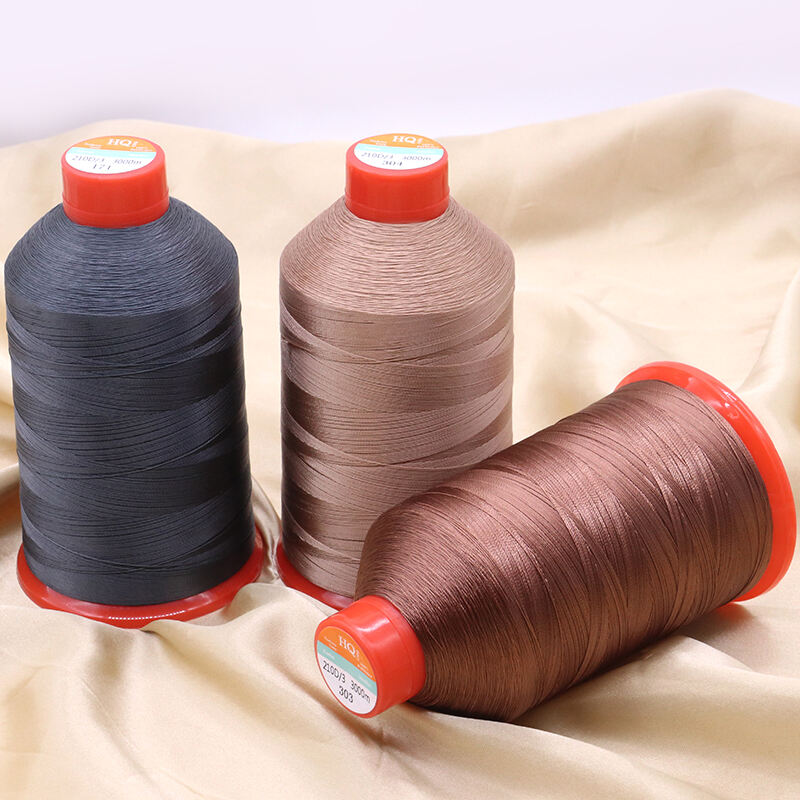
In industrial sewing and heavy-duty manufacturing, the choice of thread is never trivial. When products face constant mechanical stress, abrasion, and tension, the thread holding them together becomes a critical performance variable. This is precisely why procurement specialists, product engineers, and sourcing managers across multiple industries have consistently turned to bonded thread as their top choice for high-friction applications. The decision is not arbitrary—it is grounded in material science, operational demand, and long-term cost efficiency.
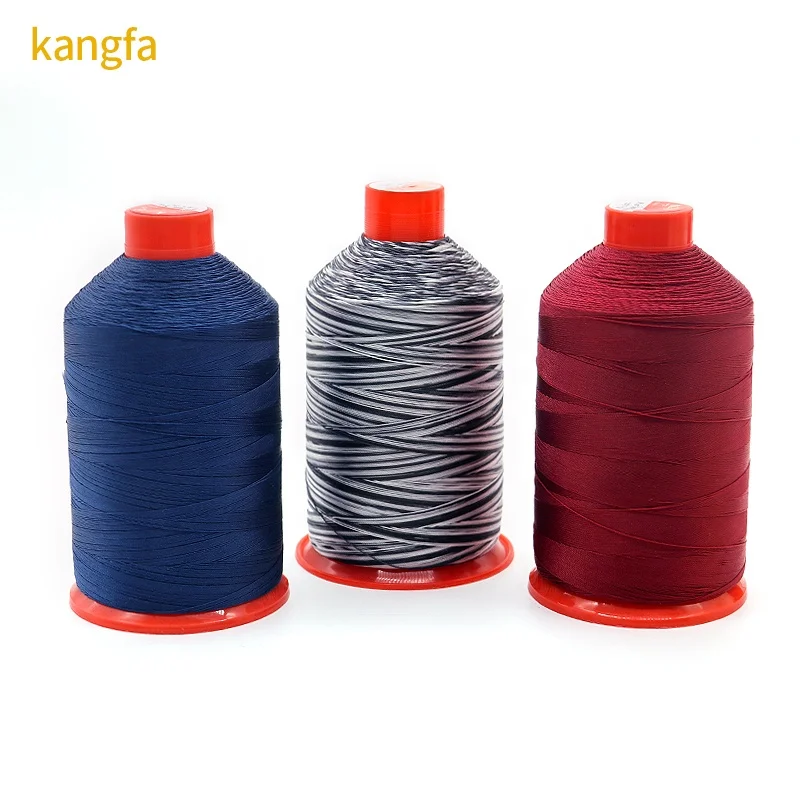
Understanding why B2B buyers favor bonded thread requires examining what differentiates it from standard sewing thread and how its structural properties translate into real-world performance benefits. From automotive upholstery and heavy leather goods to industrial footwear and outdoor furniture, the demand for reliable, friction-resistant stitching solutions has never been higher. Bonded thread answers this demand in ways that conventional alternatives simply cannot match, making it a staple in the supply chains of serious manufacturers worldwide.
The Structural Advantage of Bonded Thread in Demanding Environments
What Sets Bonded Thread Apart from Conventional Thread
At its core, bonded thread is manufactured by twisting multiple filament yarns together and then applying a resin or polymer bonding agent to the surface. This bonding process fuses the filaments into a unified, cohesive structure that resists fraying, splitting, and fiber separation under load. The result is a thread with significantly enhanced surface integrity compared to unbonded alternatives, which makes it especially well-suited for applications where friction is a constant factor.
When a standard thread passes through a needle at high speed or rubs against rough material surfaces repeatedly, individual filaments can break down over time. Bonded thread resists this degradation because the bonding agent holds every fiber in place throughout the thread's service life. For B2B buyers who need consistent stitch quality across thousands of production cycles, this structural stability is not a luxury—it is a fundamental requirement.
The bonding treatment also improves how the thread interacts with sewing machinery. Smooth, uniform thread surfaces reduce needle heat and friction during high-speed industrial sewing, which extends needle life and reduces machine downtime. This operational efficiency is a tangible cost benefit that purchasing managers and production engineers quickly recognize when evaluating thread specifications.
Nylon Bonded Thread and Its Role in High-Friction Performance
Among the various base materials used in bonded thread production, nylon is widely regarded as the most effective for high-friction and high-stress environments. Nylon's natural elasticity allows the thread to absorb shock and flex without breaking, while its inherent tensile strength ensures that seams can withstand sustained pulling forces. When the bonding process is applied to nylon filaments, the combined result is a thread that excels in exactly the conditions where lesser materials fail.
Nylon bonded thread is particularly valued in the automotive industry, where car seat cushions, door panels, and headrests must endure years of repeated use, UV exposure, and physical abrasion. The friction generated by passengers sitting, shifting, and moving creates micro-stress points along every seam. Bonded thread made from high-quality nylon maintains its integrity under these conditions far longer than polyester or cotton alternatives, which is why automotive OEMs and their Tier 1 suppliers consistently specify it in their material standards.
In footwear manufacturing, especially for work boots, sports shoes, and leather dress shoes, bonded thread must withstand flexion cycles that number in the hundreds of thousands over a shoe's lifetime. The friction between thread and sole material, upper leather, and synthetic components demands a thread that will not degrade, discolor, or lose tensile strength. Nylon bonded thread meets these requirements reliably, which is why global footwear brands include it in their approved materials lists.
Why High-Friction Applications Demand Specialized Thread Performance
Understanding Friction-Induced Thread Failure
High-friction applications subject sewing thread to a unique category of stress that goes beyond simple tension. When a seam is located at a flex point—such as the bend of a shoe, the armrest of a car seat, or the corner of a heavy bag—the thread experiences continuous micro-friction each time that surface moves. Over time, this friction erodes the surface fibers of standard thread, causing progressive weakening that eventually leads to seam failure.
B2B buyers who have experienced seam failures in the field understand the downstream consequences: warranty claims, product recalls, brand reputation damage, and customer dissatisfaction. For manufacturers operating at scale, even a marginal improvement in seam durability translates to significant reductions in defect rates and after-sale costs. This practical reality is one of the most compelling drivers behind the preference for bonded thread in industrial applications.
Friction-induced failure is not always dramatic or immediately visible. It often manifests as gradual seam loosening, thread discoloration, or minor unraveling at stress points—all of which indicate that the thread's surface integrity has been compromised. Bonded thread's resin coating acts as a protective layer that delays and often eliminates this type of degradation, giving seams a much longer effective service life.
The Role of Thread Specifications in B2B Procurement Decisions
Experienced B2B buyers do not select bonded thread based on price alone. They evaluate thread specifications carefully, including tex weight, tensile strength, elongation percentage, and the quality of the bonding treatment. These specifications directly determine whether a thread will perform reliably in a given application or fail prematurely under friction and load.
Thread specifications like Tex 270 or 840D indicate the thread's linear mass density and denier, which together help buyers match the thread to the thickness of the material being sewn and the mechanical demands of the end product. Heavier tex ratings mean thicker, stronger thread—appropriate for car cushions, upholstery, and heavy leather goods. Lighter ratings are suited to applications requiring finer seams with adequate strength. Bonded thread is available across a wide range of these specifications, giving buyers the flexibility to optimize performance for each product line.
Procurement professionals also assess whether a bonded thread maintains consistent diameter and surface smoothness across a full cone or bobbin. Inconsistency in thread diameter can cause tension fluctuations during sewing, resulting in uneven seams and increased thread breakage. High-quality bonded thread suppliers maintain tight tolerances on these parameters, which is a key quality indicator that experienced buyers check before finalizing supplier agreements.
Industry Applications Where Bonded Thread Delivers Measurable Value
Automotive Upholstery and Seating
The automotive sector is one of the largest and most demanding markets for bonded thread. Every seam in a vehicle's interior must meet stringent OEM standards for durability, UV resistance, and color fastness. Car seat cushions, in particular, experience the highest frequency of friction-based stress in the entire vehicle interior. Passengers apply direct and repeated pressure to seat seams every time they enter, sit, shift position, and exit the vehicle.
Automotive manufacturers and their upholstery suppliers specify bonded thread not only for its strength but also for its appearance retention. Seams in premium vehicle interiors must look flawless for years without showing signs of thread fraying, pilling, or color degradation. Bonded thread's uniform surface and secure filament structure help maintain stitch appearance over the vehicle's service life, which aligns with the quality expectations of automotive brands and their end customers.
Beyond seating, bonded thread is used extensively in door panel stitching, dashboard covers, headliners, and cargo area linings—all areas where decorative stitching must also serve a structural function. The combination of aesthetic consistency and mechanical reliability makes bonded thread the preferred choice for automotive interior specialists worldwide.
Leather Goods, Furniture, and Industrial Footwear
In the leather goods industry—covering handbags, belts, wallets, and luggage—seam integrity is both a quality and a brand statement. Consumers expect high-end leather products to last for years, and the thread used in their construction must meet that expectation. Bonded thread provides the tensile strength needed to hold thick leather panels together while resisting the abrasion that occurs when leather goods are handled, packed, and used daily.
Sofa and upholstered furniture manufacturers face similar challenges. Heavy-use commercial furniture, particularly in hospitality and office environments, must endure constant weight, movement, and cleaning. The friction at seam points in sofa cushions and chair backs accumulates rapidly in these settings. Bonded thread maintains its structural integrity across these conditions, reducing the need for frequent reupholstering and lowering total lifecycle costs for furniture buyers and facility managers.
In industrial footwear manufacturing—particularly for safety boots, hiking footwear, and high-performance athletic shoes—bonded thread must resist not only friction but also exposure to water, chemicals, and temperature extremes. Nylon bonded thread's resistance to moisture absorption and chemical degradation makes it well-suited for these demanding environments, ensuring that critical seams connecting soles, uppers, and reinforcement panels remain secure throughout the product's intended service life.
Operational and Commercial Reasons B2B Buyers Prefer Bonded Thread
Reduced Machine Maintenance and Production Downtime
One of the less-discussed but highly valued operational benefits of bonded thread is its positive impact on sewing machine performance. Because bonded thread has a smooth, consistent surface, it passes through guides, tension discs, and needle eyes with minimal friction and resistance. This reduces heat buildup at the needle point, which is a primary cause of thread breakage during high-speed industrial sewing operations.
Fewer thread breaks mean fewer production interruptions, less rethreading time, and more consistent output per shift. For large-scale manufacturing operations running multiple sewing machines simultaneously, the cumulative productivity gain from using bonded thread over a lower-quality alternative can be substantial. Production managers who have tracked this data internally often find that the slight premium in thread cost is more than offset by improvements in machine uptime and output consistency.
Additionally, bonded thread tends to form tighter, more uniform lock stitches and chain stitches than unbonded alternatives. This translates to better seam appearance, more consistent seam strength across a production run, and fewer quality rejections. For manufacturers supplying to clients with strict quality control standards, this reliability is a competitive advantage that justifies the specification of bonded thread across all high-friction product lines.
Long-Term Cost Efficiency and Supplier Reliability
B2B buyers increasingly evaluate thread not just as a raw material cost but as a component with lifecycle cost implications. A thread that performs reliably over the full service life of a product reduces warranty claims, repair costs, and customer returns. When viewed through this lens, bonded thread consistently demonstrates a favorable total cost of ownership compared to cheaper alternatives that may cause seam failures months or years after sale.
Supplier reliability is equally important in B2B procurement. Buyers need consistent thread quality across every order, and they need suppliers who can provide detailed technical documentation—material safety data, tensile strength test results, and compliance certifications where required. Reputable bonded thread suppliers maintain quality management systems that ensure batch-to-batch consistency, which is critical for manufacturers who cannot afford to adjust machine settings or seam specifications with each new thread delivery.
The availability of bonded thread in a wide range of colors, tex weights, and spool sizes also supports efficient inventory management in production environments. Buyers can source a single thread type that covers multiple applications within a facility, simplifying procurement, reducing SKU complexity, and improving warehouse efficiency. These practical commercial advantages add to the overall appeal of bonded thread for serious industrial buyers.
FAQ
What makes bonded thread more suitable for high-friction applications than regular thread?
Bonded thread is coated with a resin or polymer bonding agent that holds all filaments together as a unified structure. This prevents fiber separation and surface fraying when the thread experiences friction, flex, and abrasion during both the sewing process and the product's service life. Regular thread lacks this surface protection and tends to degrade faster under the same conditions, making bonded thread the preferred choice for demanding applications.
Is nylon bonded thread compatible with standard industrial sewing machines?
Yes, nylon bonded thread is designed for compatibility with standard industrial sewing equipment, including lockstitch and chainstitch machines. Its smooth, consistent surface actually reduces friction within the machine's threading path, which can extend needle life and reduce thread breakage rates. However, buyers should confirm that needle size and machine tension settings are correctly calibrated for the specific tex weight of bonded thread being used.
What tex or denier ratings of bonded thread are typically used in automotive and upholstery applications?
For automotive seat cushions and heavy upholstery, bonded thread in the Tex 270 or 840D range is commonly specified due to its combination of strength and workability. These ratings provide sufficient tensile strength to hold thick foam-backed fabrics and leather panels while remaining manageable on high-speed sewing equipment. Lighter applications such as thin leather goods may use lower tex ratings, so selecting the right specification depends on material thickness and end-use stress requirements.
How does bonded thread affect the appearance of finished seams over time?
Bonded thread maintains its surface integrity significantly longer than unbonded alternatives, which means finished seams retain a clean, uniform appearance even after extended use. The bonding treatment prevents individual filaments from protruding or pilling at stitch surfaces, which keeps decorative and structural seams looking consistent. This is particularly important in visible applications such as automotive interiors, luxury leather goods, and premium furniture where seam aesthetics are part of the product's quality perception.
Table of Contents
- The Structural Advantage of Bonded Thread in Demanding Environments
- Why High-Friction Applications Demand Specialized Thread Performance
- Industry Applications Where Bonded Thread Delivers Measurable Value
- Operational and Commercial Reasons B2B Buyers Prefer Bonded Thread
-
FAQ
- What makes bonded thread more suitable for high-friction applications than regular thread?
- Is nylon bonded thread compatible with standard industrial sewing machines?
- What tex or denier ratings of bonded thread are typically used in automotive and upholstery applications?
- How does bonded thread affect the appearance of finished seams over time?