 EN
EN

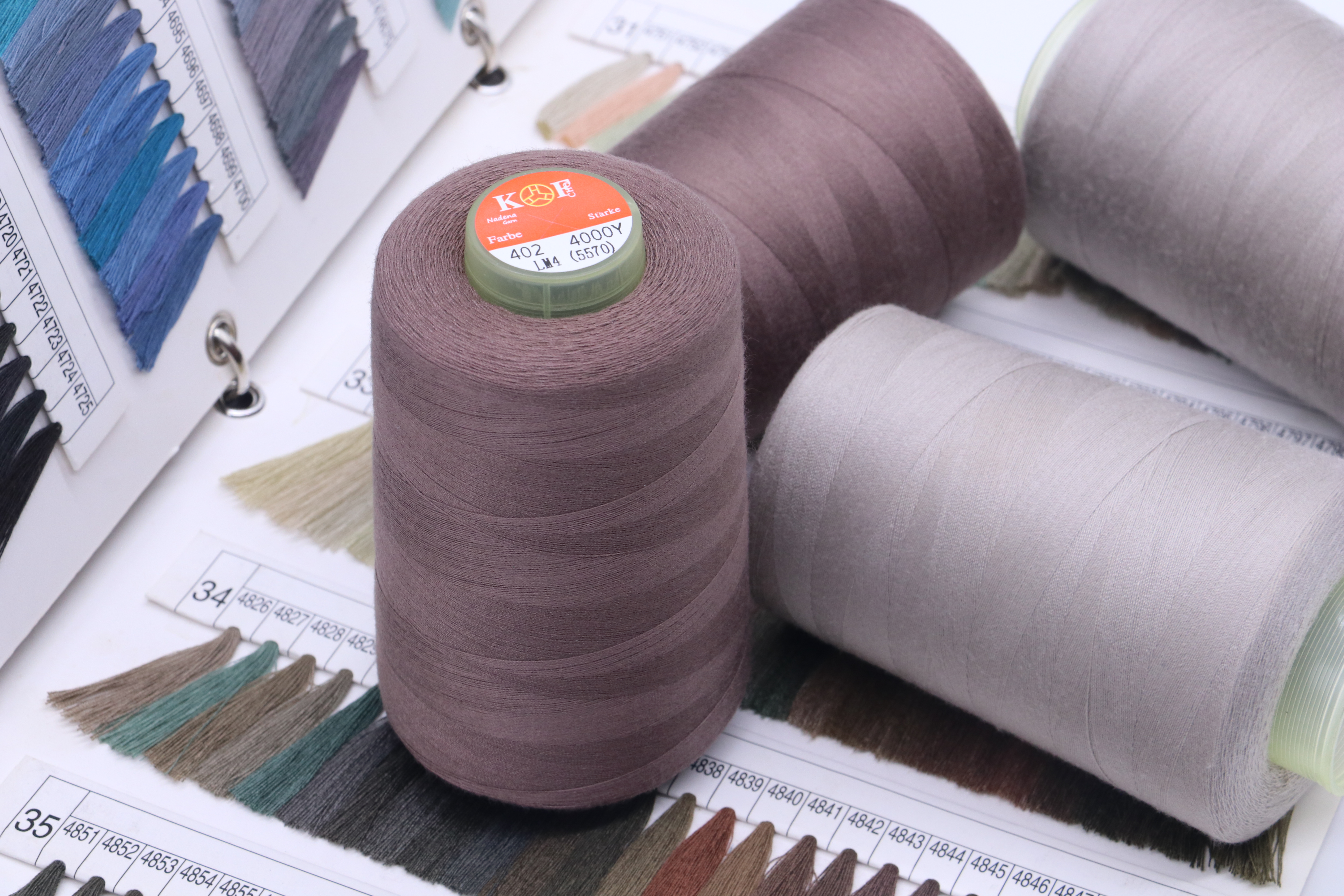
The global footwear industry operates under relentless pressure to deliver products that are durable, aesthetically consistent, and cost-efficient at scale. At the heart of every well-constructed shoe lies a critical yet often overlooked component: the sewing thread. For manufacturers producing thousands or millions of pairs annually, sourcing the right bonded thread in wholesale quantities is not merely a procurement decision — it is a foundational choice that directly affects product quality, production efficiency, and long-term brand reputation. Understanding what wholesale bonded thread solutions truly offer, and how to evaluate them for global shoe manufacturing operations, is essential knowledge for any serious footwear producer.
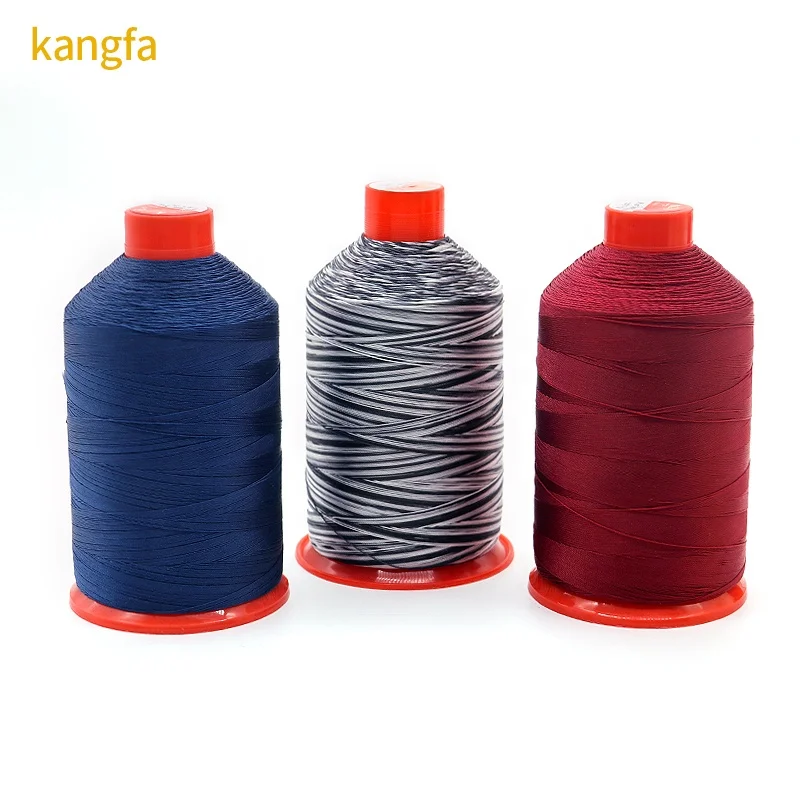
Wholesale procurement of bonded thread presents unique opportunities and challenges for shoe manufacturers operating across different markets and production environments. Whether you are manufacturing casual sneakers, safety boots, luxury leather dress shoes, or athletic footwear, the demands placed on your sewing thread are demanding and varied. This article explores the full landscape of wholesale bonded thread solutions specifically designed for global shoe manufacturers — from material composition and performance characteristics to sourcing strategy, quality assurance, and cost management across high-volume production runs.
Understanding Bonded Thread and Its Role in Footwear Manufacturing
What Makes Bonded Thread Different from Standard Sewing Thread
Bonded thread is a specially treated sewing thread in which the individual filaments or fibers are coated with a bonding resin. This bonding process fuses the strands together, creating a smooth, unified surface that resists fraying, tangling, and unraveling during both the sewing process and the life of the finished product. Unlike standard sewing threads that may split under mechanical stress, bonded thread maintains its structural integrity even when subjected to high-speed industrial sewing machines running thousands of stitches per minute.
The bonding coating also reduces friction between the thread and the needle, minimizing needle heat buildup — a common cause of thread breakage in continuous production settings. This property alone makes bonded thread significantly more reliable in high-volume shoe manufacturing environments where downtime caused by thread breaks translates directly into lost productivity and increased operational costs. Manufacturers worldwide have adopted bonded thread as the industry standard for precisely this reason.
For shoe manufacturers, the smooth surface profile of bonded thread also contributes to cleaner, more uniform stitch appearance on the finished product. In markets where visual quality is a key selling point — particularly in premium footwear segments — this aesthetic consistency is a commercially meaningful advantage that standard threads simply cannot match.
Key Material Options in Wholesale Bonded Thread for Shoes
Nylon bonded thread is the most widely used material in global shoe manufacturing, valued for its exceptional tensile strength, elasticity, and resistance to abrasion. Nylon's ability to stretch slightly under stress and return to its original form makes it especially well-suited for shoes that undergo repeated flexing, such as athletic footwear and work boots. High-strength nylon bonded thread, such as the 100% nylon bonded thread available in Tex 270 / 840D specifications, is engineered to handle the mechanical demands of heavy-duty shoe construction including outsole attachment, welt stitching, and upper assembly.
Polyester bonded thread offers excellent UV resistance and colorfast properties, making it a preferred choice for outdoor footwear and shoes with decorative stitching that must retain color vibrancy over extended periods. While polyester is slightly less elastic than nylon, it provides outstanding resistance to chemicals, moisture, and environmental degradation — qualities that are highly relevant for manufacturers producing shoes intended for harsh working environments or outdoor use.
Some specialized footwear applications call for blended or composite bonded thread formulations that combine the best properties of different fiber types. Wholesale suppliers serving global shoe manufacturers typically maintain a comprehensive product range across these material categories, allowing procurement teams to select the optimal thread specification for each specific product line without the complexity of managing multiple supplier relationships.
Why Shoe Manufacturers Source Bonded Thread at Wholesale Scale
Cost Efficiency and Supply Chain Stability
Purchasing bonded thread through wholesale channels provides shoe manufacturers with substantial cost advantages compared to retail or small-batch procurement. When thread is sourced in large spool or cone formats — commonly 450g, 1kg, or multi-kilogram industrial cones — the per-unit thread cost drops significantly, directly reducing the cost of goods sold for each pair of shoes produced. For manufacturers operating on thin margins and high volumes, these savings compound meaningfully across an annual production cycle.
Beyond direct cost savings, wholesale sourcing of bonded thread also strengthens supply chain stability. Manufacturers who maintain adequate thread inventory through wholesale purchasing avoid the risk of production halts caused by thread shortages — a particularly critical concern for factories with tight delivery schedules serving major retail brands or private-label customers with zero-tolerance policies on late shipments. Establishing reliable wholesale supply agreements for bonded thread is therefore as much a risk management strategy as it is a cost optimization measure.
Global shoe manufacturers often produce across multiple factories in different geographic regions. A well-structured wholesale bonded thread supply arrangement can coordinate consistent thread specifications and colorways across all production sites simultaneously, ensuring that finished products from different factories meet identical quality standards — an increasingly important requirement as global brands demand uniformity across their supply chains.
Volume Customization and Specification Flexibility
Leading wholesale bonded thread suppliers for the footwear industry offer manufacturers the ability to customize thread specifications to precise requirements. This includes thread weight and thickness expressed in Tex or Denier ratings, spool size, core construction, and color matching to Pantone or proprietary brand color systems. For global shoe manufacturers developing distinctive product aesthetics, custom-colored bonded thread in wholesale quantities enables consistent stitching color reproduction across large production runs without the color variation that can occur when sourcing thread from multiple vendors.
Specification flexibility at wholesale scale also means manufacturers can work with suppliers to optimize thread performance for specific sewing equipment types. Industrial sewing machines used in footwear assembly vary widely in needle gauge, tension settings, and feed mechanisms. A wholesale bonded thread supplier with deep technical expertise can recommend or develop thread specifications that are perfectly matched to a manufacturer's existing machinery, reducing setup time, minimizing thread breakage rates, and maximizing the operational efficiency of the production line.
Evaluating Wholesale Bonded Thread Quality for High-Volume Shoe Production
Tensile Strength and Elongation Performance
The most critical performance parameter for bonded thread used in shoe manufacturing is tensile strength — the maximum load the thread can bear before breaking. In footwear applications, thread tensile strength must be sufficient to withstand not only the mechanical forces of the sewing process itself but also the dynamic stresses the finished shoe will experience throughout its service life. Heavy-duty applications such as safety boot construction, leather welting, and reinforced athletic shoe assembly demand bonded thread with particularly high tensile strength specifications.
Elongation at break is an equally important property that is sometimes overlooked in procurement evaluations. A bonded thread with appropriate elongation characteristics can absorb sudden mechanical shocks — such as those experienced when a shoe flexes sharply or bears sudden impact loads — without snapping. Nylon bonded thread typically offers superior elongation performance compared to polyester variants, which is one reason it dominates in athletic and work footwear categories where dynamic stress is a primary concern.
When evaluating wholesale bonded thread suppliers, manufacturers should request documented tensile strength and elongation test data from accredited laboratories, and cross-reference these figures against the specific requirements of their product designs. Suppliers who cannot provide certified test data for their thread products should be regarded with caution, regardless of pricing advantages they may offer.
Bonding Consistency and Surface Quality Control
The quality of the bonding resin application is a key differentiator between premium wholesale bonded thread products and lower-cost alternatives. Inconsistent bonding — characterized by resin buildup in some areas and insufficient coverage in others — creates unpredictable friction behavior at the needle and looper, leading to variable stitch tension, thread breakage, and skipped stitches. In high-volume production, even a small percentage increase in thread-related machine stoppages translates into significant cumulative production losses.
Quality wholesale suppliers of bonded thread maintain rigorous in-process quality control systems that monitor bonding resin application rates throughout the manufacturing process. They also conduct regular surface smoothness testing and friction coefficient measurement to ensure that each production batch meets consistent performance standards. Shoe manufacturers sourcing bonded thread at wholesale scale should inquire about a supplier's quality management certifications and internal process controls as part of their supplier qualification process.
Color consistency is another surface quality dimension that matters significantly in footwear production. Thread that varies in shade or dye uptake between production batches creates visible inconsistencies in finished shoe stitching — a defect that is immediately apparent to quality inspectors and end consumers alike. Reputable wholesale bonded thread suppliers for the footwear industry maintain tight color tolerance controls and provide lot-matching services that allow manufacturers to request thread from the same production batch for large, continuous production runs.
Strategic Considerations for Global Shoe Manufacturers Sourcing Bonded Thread Wholesale
Lead Times, Logistics, and Inventory Planning
For shoe manufacturers operating globally, the logistics of wholesale bonded thread procurement present their own set of strategic considerations. Thread is a relatively compact and lightweight consumable, which makes it well-suited for container-optimized shipping arrangements. However, the sheer volume consumed by a large-scale footwear factory — potentially hundreds of kilograms of thread per month — means that even minor disruptions in supply logistics can create significant production vulnerabilities.
Establishing clear lead time expectations and buffer inventory protocols is essential for any global manufacturer relying on wholesale bonded thread supply. Most experienced wholesale thread suppliers for the footwear industry can accommodate blanket order agreements, where manufacturers commit to a defined volume over a contract period in exchange for price stability and reserved production capacity. This arrangement provides manufacturers with cost predictability and supply security simultaneously — a combination that is highly valuable in volatile global sourcing environments.
Manufacturers sourcing bonded thread across multiple factory locations should also consider centralized procurement with localized distribution, rather than allowing each factory to manage its own thread sourcing independently. Centralized procurement leverages combined volume for better pricing, ensures specification consistency across all production sites, and simplifies supplier management — reducing the administrative burden on procurement teams while strengthening the overall supply chain.
Matching Thread Specifications to Footwear Application Requirements
Not all bonded thread products are equally suited to every type of footwear construction. Shoe manufacturers producing across diverse product categories must carefully match thread specifications to the specific demands of each application. A high-tenacity nylon bonded thread in a heavier Tex rating is appropriate for outsole stitching on boots and heavy-duty work shoes, while a finer Tex rating in the same material type may be more appropriate for upper assembly or decorative stitching on casual footwear.
Thread selection must also account for the substrates being sewn. Thick, stiff materials such as full-grain leather, reinforced synthetic uppers, or multiple layers of technical textiles require bonded thread with sufficient strength to penetrate and bind these materials reliably. In contrast, lightweight mesh or knit uppers used in contemporary athletic shoes require finer thread that will not distort or pucker the fabric structure. Wholesale suppliers who understand footwear manufacturing deeply can provide application-specific guidance that helps manufacturers avoid costly specification errors.
For manufacturers looking to streamline their thread inventory while maintaining application versatility, it can be valuable to explore bonded thread products specifically engineered for high-strength multi-application use — capable of performing reliably across shoe construction, car cushion assembly, and sofa manufacturing. Such versatile thread specifications allow manufacturers to consolidate their thread supply base without compromising on performance for any individual application.
FAQ
What thread weight is most commonly used in wholesale bonded thread orders for shoe manufacturing?
The most commonly used thread weights in wholesale bonded thread procurement for shoe manufacturing range from Tex 40 for lightweight upper assembly to Tex 270 and above for heavy-duty outsole and welt stitching. The specific weight selected depends on the type of shoe being manufactured, the materials involved, and the sewing equipment in use. Most wholesale suppliers offer the full range of Tex ratings and can advise on the most appropriate specification for a given application.
How does bonded thread compare to waxed thread in footwear production?
Bonded thread uses a synthetic resin coating that creates a smooth, durable surface with consistent friction properties, while waxed thread relies on a natural wax coating that can vary in application consistency and may soften or degrade under heat and friction. For high-speed industrial sewing machine production, bonded thread generally outperforms waxed thread in terms of reliability and stitch consistency. Waxed thread remains in use for certain artisanal or hand-stitching applications, but wholesale production environments overwhelmingly favor bonded thread for its mechanical performance advantages.
Can the same bonded thread be used across multiple shoe types in a single factory?
Yes, in many cases a factory can standardize on a single bonded thread specification — particularly a mid-weight, high-tenacity nylon bonded thread — that performs acceptably across multiple shoe construction types. However, optimizing thread selection for each specific application will typically yield better results in terms of stitch quality, machine efficiency, and product durability. Many wholesale thread suppliers can support manufacturers with tiered thread specifications that cover light, medium, and heavy-duty applications within a single supply relationship, simplifying procurement while maintaining performance optimization.
What minimum order quantities are typically required for wholesale bonded thread in the footwear industry?
Minimum order quantities for wholesale bonded thread vary by supplier and product specification, but most industrial thread suppliers serving global shoe manufacturers work with order volumes starting from several hundred kilograms per specification. Manufacturers ordering custom colors or specialty thread formulations may face higher minimum quantities due to the setup costs associated with custom dyeing and coating processes. Establishing a long-term wholesale supply agreement often allows manufacturers to negotiate lower minimum quantities per order in exchange for committed annual volume commitments.
Table of Contents
- Understanding Bonded Thread and Its Role in Footwear Manufacturing
- Why Shoe Manufacturers Source Bonded Thread at Wholesale Scale
- Evaluating Wholesale Bonded Thread Quality for High-Volume Shoe Production
- Strategic Considerations for Global Shoe Manufacturers Sourcing Bonded Thread Wholesale
-
FAQ
- What thread weight is most commonly used in wholesale bonded thread orders for shoe manufacturing?
- How does bonded thread compare to waxed thread in footwear production?
- Can the same bonded thread be used across multiple shoe types in a single factory?
- What minimum order quantities are typically required for wholesale bonded thread in the footwear industry?