 EN
EN

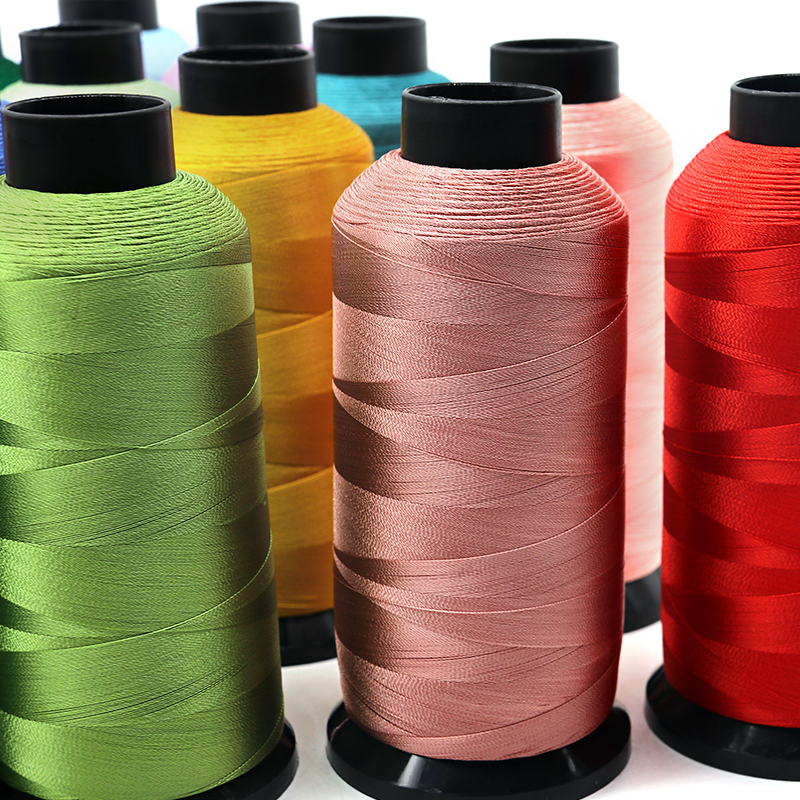
In the demanding world of heavy-duty manufacturing, selecting the right sewing materials can make or break your production quality and efficiency. When working with thick leather, automotive upholstery, and industrial fabrics, standard threads often fall short of performance expectations. This is where high-performance bonded thread becomes indispensable for manufacturers seeking reliable, durable, and consistent results in their heavy-duty applications.
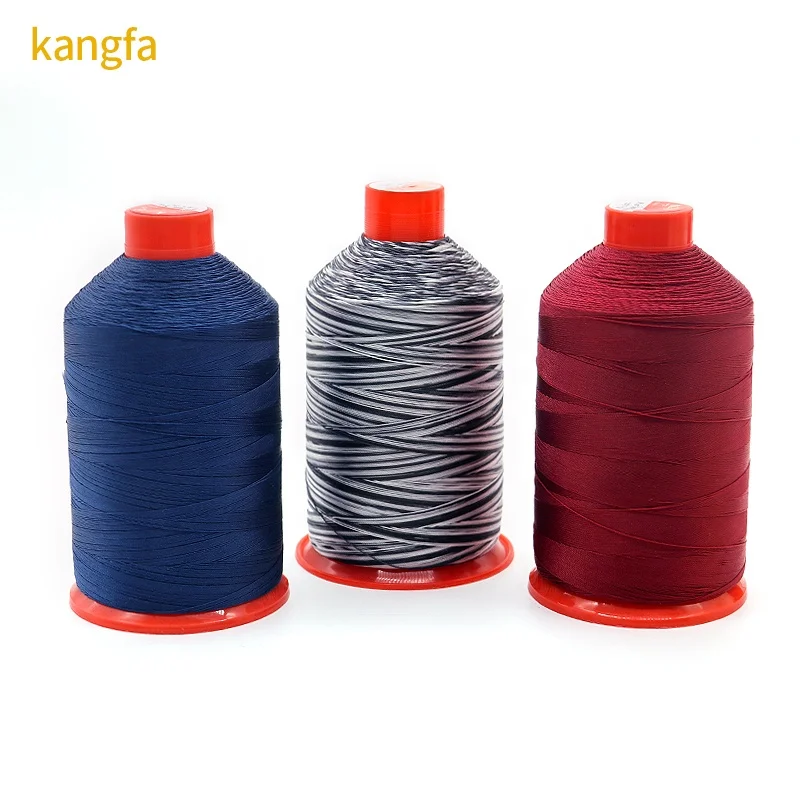
The unique construction and enhanced properties of bonded thread make it superior to conventional sewing threads in numerous industrial applications. Understanding these advantages helps procurement professionals and manufacturers make informed decisions that impact both immediate production outcomes and long-term product durability. This comprehensive analysis explores why bonded thread has become the preferred choice for heavy-duty leather goods, automotive interiors, and other demanding industrial sewing applications.
Understanding Bonded Thread Construction and Properties
Advanced Manufacturing Process
Bonded thread undergoes a specialized manufacturing process that sets it apart from regular sewing threads. The production involves applying a resin coating to continuous filament polyester or nylon fibers, creating a unified structure that enhances strength and performance characteristics. This bonding process eliminates the weak points typically found in spun threads, where individual fibers can separate under stress.
The resin treatment creates a smooth, uniform surface that reduces friction during high-speed sewing operations. This characteristic becomes particularly important when working with thick materials that generate significant heat and tension during the sewing process. The bonded construction also prevents thread unraveling and fuzzing, maintaining clean seam appearance throughout the garment's lifecycle.
Quality bonded thread manufacturers carefully control the resin application to ensure consistent coating thickness and optimal penetration into the fiber structure. This precision manufacturing approach results in predictable performance characteristics that industrial sewers can rely upon for consistent production outcomes across large manufacturing runs.
Superior Strength and Durability Characteristics
The enhanced strength properties of bonded thread make it ideal for applications requiring exceptional seam integrity. Unlike twisted threads that can gradually weaken as individual fibers break, bonded thread maintains structural integrity even when subjected to repeated stress cycles. This durability translates into longer-lasting seams that resist failure under normal use conditions.
Tensile strength measurements consistently show bonded thread outperforming standard threads by significant margins. This superior strength allows manufacturers to use smaller thread sizes while maintaining equivalent or superior seam strength, resulting in less material consumption and reduced production costs. The uniform strength distribution along the thread length eliminates weak spots that could lead to premature failure.
Chemical resistance represents another critical advantage of quality bonded thread in industrial applications. The resin coating provides protection against oils, solvents, and other chemicals commonly encountered in automotive and leather manufacturing environments. This resistance ensures seam integrity remains intact even when exposed to harsh cleaning agents or environmental conditions.
Critical Applications in Heavy-Duty Leather Manufacturing
Leather Goods and Upholstery Production
Heavy leather manufacturing demands sewing threads that can penetrate thick materials without breaking or causing needle deflection. Bonded thread excels in these applications due to its smooth surface and consistent diameter, which reduces friction and heat buildup during the sewing process. This characteristic proves essential when working with multiple layers of thick leather or when creating reinforced seams in high-stress areas.
Professional leather crafters and industrial manufacturers rely on bonded thread for creating durable seams in furniture upholstery, automotive seating, and heavy-duty leather goods. The thread's ability to maintain tension consistency throughout long sewing runs ensures uniform seam appearance and eliminates the puckering or thread breakage issues commonly associated with standard threads in thick material applications.
Color retention and UV resistance make bonded thread particularly valuable for leather goods exposed to sunlight and environmental conditions. The resin coating provides additional protection against fading and degradation, ensuring that seams maintain their appearance and functionality throughout the product's intended service life.
Specialized Leather Product Requirements
Different leather products require specific thread performance characteristics that bonded thread readily provides. Safety equipment manufacturing, such as protective gear and harnesses, demands threads that meet strict strength and safety standards. The consistent performance of bonded thread ensures compliance with these critical safety requirements while maintaining cost-effective production processes.
High-end leather furniture production benefits significantly from the aesthetic qualities of bonded thread. The smooth finish and consistent tension characteristics create clean, professional-looking seams that enhance the overall appearance of luxury leather goods. This visual quality becomes increasingly important as consumers demand higher standards in furniture and accessory manufacturing.
Industrial leather applications, such as conveyor belts and heavy machinery components, require threads that can withstand extreme operating conditions. Bonded thread provides the necessary strength and chemical resistance to maintain seam integrity in these demanding environments, reducing maintenance requirements and extending component service life.
Automotive Industry Applications and Benefits
Interior Upholstery and Trim Manufacturing
Automotive interior manufacturing presents unique challenges that make bonded thread an essential component in production processes. Vehicle seats must withstand repeated use cycles, temperature variations, and exposure to various chemicals while maintaining their appearance and structural integrity. Bonded thread addresses these requirements through its superior durability and resistance characteristics.
The consistent performance of bonded thread throughout high-volume automotive production runs ensures quality control and reduces manufacturing defects. This reliability becomes critical when producing thousands of identical components that must meet strict automotive industry standards for safety and durability. The thread's ability to maintain consistent tension eliminates seam irregularities that could affect both appearance and performance.
Automotive manufacturers increasingly specify bonded thread for applications involving synthetic leather and composite materials. These modern upholstery materials often require specialized sewing techniques that benefit from the enhanced properties of bonded thread, including reduced heat generation and improved penetration characteristics.
Safety and Performance Standards Compliance
Meeting automotive safety standards requires sewing threads that maintain their properties under extreme conditions. Bonded thread consistently passes flame retardancy tests and maintains structural integrity at both high and low temperatures commonly encountered in automotive environments. This performance reliability ensures that safety-critical seams remain intact throughout the vehicle's service life.
Crash safety requirements demand that interior components, including seat seams, maintain their integrity during impact events. The superior strength and elasticity of bonded thread provide the necessary performance characteristics to meet these stringent safety requirements while allowing for normal comfort and adjustability features in automotive seating systems.
Quality bonded thread also contributes to meeting environmental standards increasingly required in automotive manufacturing. The durability and longevity of seams created with bonded thread reduce the need for premature component replacement, supporting sustainability initiatives and reducing overall environmental impact throughout the vehicle's lifecycle.
Performance Advantages in Industrial Sewing Operations
Enhanced Productivity and Efficiency
Industrial sewing operations benefit significantly from the consistent performance characteristics of bonded thread. The reduced thread breakage rates translate directly into increased productivity through fewer machine stoppages and reduced downtime for thread changes. This operational efficiency becomes particularly valuable in high-volume production environments where even small improvements in uptime can result in substantial cost savings.
The smooth surface finish of bonded thread reduces friction in sewing machine mechanisms, leading to less wear on needles, tension devices, and other machine components. This reduced wear translates into lower maintenance costs and extended equipment service intervals, improving overall operational efficiency and reducing total cost of ownership for industrial sewing equipment.
Consistent thread diameter and tension characteristics enable more precise machine settings and reduce the need for frequent adjustments during production runs. This stability allows operators to focus on other quality aspects of production rather than constantly monitoring and adjusting thread-related parameters.
Quality Control and Consistency Benefits
Quality control becomes more manageable when using bonded thread due to its predictable performance characteristics. The consistent strength and appearance properties eliminate many variables that can affect seam quality, allowing quality control personnel to focus on other aspects of production monitoring. This consistency proves particularly valuable when producing large quantities of identical products.
The uniform appearance of seams created with bonded thread enhances overall product aesthetics and reduces the rejection rate for cosmetic defects. This improvement in visual quality becomes increasingly important as consumer expectations for product appearance continue to rise across all market segments.
Batch-to-batch consistency in bonded thread properties ensures that production quality remains stable over time. This reliability allows manufacturers to establish and maintain quality standards without the need for frequent specification adjustments or process modifications to accommodate thread property variations.
Material Selection Considerations for Procurement
Technical Specifications and Performance Metrics
Selecting appropriate bonded thread requires understanding key technical specifications that impact performance in specific applications. Thread weight, tensile strength, and elongation characteristics must align with the intended use requirements and sewing machine capabilities. These specifications directly influence seam strength, appearance, and manufacturing efficiency.
Color fastness and UV resistance specifications become critical when products will be exposed to sunlight or harsh environmental conditions. Quality bonded thread manufacturers provide detailed technical data sheets that help procurement professionals make informed decisions based on specific application requirements rather than relying solely on cost considerations.
Testing and certification standards vary across different industries and applications. Understanding which standards apply to specific products helps ensure that selected bonded thread will meet all necessary requirements without over-specifying properties that add unnecessary cost without corresponding benefits.
Cost-Benefit Analysis and ROI Considerations
While bonded thread typically commands a premium price compared to standard threads, the total cost of ownership often favors bonded thread in heavy-duty applications. Reduced thread breakage, improved productivity, and enhanced seam durability contribute to lower overall manufacturing costs despite higher initial material costs.
Warranty and customer satisfaction considerations also factor into the cost-benefit analysis. Products sewn with high-quality bonded thread experience fewer field failures and customer complaints, reducing warranty costs and protecting brand reputation. These benefits often outweigh the additional material costs, particularly in premium product segments.
Long-term supply chain stability represents another important consideration when evaluating bonded thread suppliers. Established manufacturers with consistent quality systems provide better supply security and technical support, reducing the risk of production disruptions due to material quality issues or supply shortages.
FAQ
What makes bonded thread different from regular sewing thread
Bonded thread features a resin coating applied to continuous filament fibers, creating a unified structure that eliminates weak points found in spun threads. This construction provides superior strength, reduced fraying, and consistent performance characteristics that make it ideal for heavy-duty applications requiring reliable seam integrity.
How does bonded thread improve automotive manufacturing efficiency
Bonded thread reduces manufacturing defects and machine downtime through consistent performance and reduced breakage rates. Its smooth surface generates less friction and heat during high-speed sewing operations, while its superior strength allows for faster sewing speeds without compromising seam quality or durability in automotive applications.
What thickness considerations apply when selecting bonded thread for leather work
Thread thickness selection depends on leather weight, seam strength requirements, and aesthetic preferences. Bonded thread allows use of smaller thread sizes while maintaining equivalent strength compared to standard threads, enabling cleaner appearance in heavy leather applications while ensuring adequate seam performance under stress.
Can bonded thread withstand industrial washing and chemical exposure
Quality bonded thread demonstrates excellent resistance to industrial washing processes, chemicals, and environmental conditions commonly encountered in commercial applications. The resin coating provides protection against oils, solvents, and cleaning agents while maintaining color fastness and structural integrity throughout repeated exposure cycles.