 EN
EN

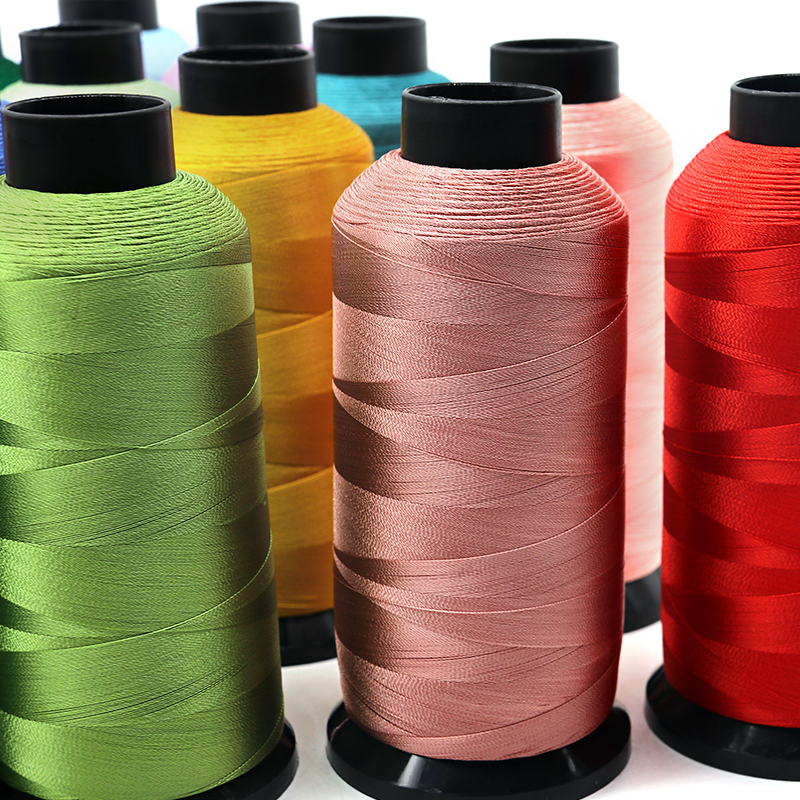
Selecting the right polyester embroidery thread for high-speed industrial machines requires careful consideration of multiple technical factors that directly impact production efficiency and final product quality. Modern industrial embroidery operations demand threads that can withstand rapid stitching speeds while maintaining consistent tension and producing vibrant, durable results. Understanding the specific characteristics of polyester embroidery thread helps manufacturers optimize their production processes and minimize costly downtime caused by thread breaks or quality issues.
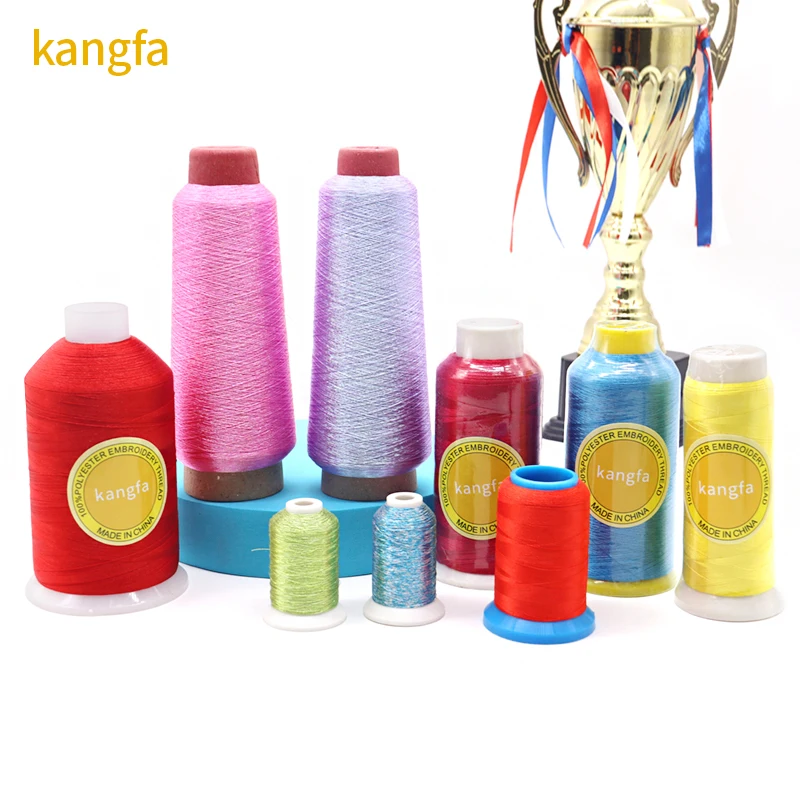
High-speed embroidery applications present unique challenges that standard threads cannot adequately address. The combination of increased mechanical stress, heat generation, and rapid needle penetration requires specialized thread formulations designed specifically for industrial environments. Quality polyester embroidery thread must demonstrate exceptional tensile strength, consistent diameter throughout its length, and superior colorfastness to maintain professional appearance standards across large production runs.
Understanding Thread Construction and Material Properties
Core Material Composition
The foundation of exceptional polyester embroidery thread lies in its molecular structure and manufacturing process. High-quality polyester fibers undergo specialized treatment to enhance their natural properties, including improved elasticity, reduced static buildup, and enhanced dye absorption capabilities. Premium polyester embroidery thread utilizes continuous filament construction rather than spun fibers, which significantly reduces the potential for lint generation and thread breakage during high-speed operations.
Manufacturing processes for superior polyester embroidery thread involve precise control of fiber orientation and twist levels to optimize performance characteristics. The controlled twist rate ensures proper thread formation while maintaining flexibility needed for smooth passage through needle eyes and fabric penetration. Advanced polyester formulations also incorporate UV stabilizers and anti-static agents that extend thread lifespan and improve handling characteristics in industrial environments.
Thread Weight and Denier Specifications
Thread weight selection significantly impacts both embroidery quality and machine performance, making it crucial to match polyester embroidery thread specifications to specific application requirements. Standard industrial weights range from 40wt to 60wt, with heavier threads providing enhanced coverage and durability for dense design work. The denier measurement indicates the linear mass density of the thread, with 150 denier polyester embroidery thread offering an optimal balance of strength and flexibility for most high-speed applications.
Proper thread weight selection also influences stitch formation and fabric compatibility, particularly when working with delicate or lightweight substrates. Heavier polyester embroidery thread provides excellent opacity and coverage but may cause puckering on thin fabrics, while lighter weights offer superior drape and flexibility. Understanding these relationships enables operators to select appropriate thread specifications that maximize both productivity and quality outcomes.
Performance Characteristics for High-Speed Operations
Tensile Strength and Break Resistance
High-speed embroidery machines subject threads to extreme mechanical stresses that can quickly identify inferior materials through frequent breaks and production interruptions. Quality polyester embroidery thread must demonstrate consistent tensile strength values that exceed the maximum forces encountered during rapid stitching cycles. Advanced testing protocols evaluate thread performance under simulated production conditions, including repeated flexing, abrasion resistance, and temperature cycling that mirrors real-world operating environments.
The relationship between thread construction and break resistance becomes particularly critical at speeds exceeding 1000 stitches per minute, where even minor inconsistencies in thread quality can result in significant production delays. Premium polyester embroidery thread incorporates specialized fiber treatments that enhance elongation properties while maintaining dimensional stability under stress. These characteristics ensure consistent stitch formation and reduce the likelihood of thread failure during extended production runs.
Heat Resistance and Thermal Stability
Rapid needle penetration and friction generate significant heat that can degrade thread properties and affect stitch quality, making thermal stability a critical performance factor for polyester embroidery thread used in high-speed applications. Advanced polyester formulations resist thermal degradation while maintaining their structural integrity and color stability under elevated temperatures. This thermal resistance prevents thread weakening that could lead to breaks or inconsistent stitch formation during extended operation periods.
Temperature management becomes increasingly important as machine speeds increase, with some industrial embroidery systems generating localized heating that can exceed 200 degrees Fahrenheit at the needle point. Quality polyester embroidery thread maintains its properties across this temperature range while dissipating heat effectively to prevent accumulation that could affect surrounding threads or fabric substrates. Proper thread selection helps maintain consistent production quality regardless of operating speed or ambient conditions.
Color Consistency and Dye Technology
Colorfast Properties and UV Stability
Professional embroidery applications demand exceptional color consistency and longevity, requiring polyester embroidery thread that maintains its appearance throughout the product lifecycle. Advanced dye technologies penetrate deep into polyester fibers, creating molecular bonds that resist fading, washing, and environmental exposure. These colorfast properties ensure that finished embroidery maintains its original vibrancy and professional appearance even after repeated laundering or extended outdoor exposure.
UV stability represents another crucial factor for polyester embroidery thread used in applications where finished products may experience sunlight exposure. High-quality threads incorporate UV inhibitors during the manufacturing process, providing protection against photodegradation that can cause color shifts or thread weakening. This enhanced stability makes polyester embroidery thread suitable for outdoor apparel, signage, and decorative applications where long-term color retention is essential.
Batch Consistency and Color Matching
Large-scale embroidery operations require consistent color reproduction across multiple production runs, making batch-to-batch color consistency a critical selection criterion for polyester embroidery thread. Professional thread manufacturers implement strict quality control protocols that ensure minimal color variation between production lots, enabling seamless continuation of projects without visible color differences. Advanced spectrophotometer testing verifies color accuracy and consistency throughout the manufacturing process.
Color matching capabilities become particularly important when coordinating multiple thread colors within complex embroidery designs or when matching existing brand colors for corporate applications. Premium polyester embroidery thread manufacturers maintain extensive color libraries with precise specifications that enable accurate reproduction of custom colors or industry standards. This consistency reduces waste and ensures professional results across all production batches.
Machine Compatibility and Setup Considerations
Needle Selection and Threading Systems
Proper needle selection directly influences the performance of polyester embroidery thread in high-speed applications, with needle size, point style, and eye design all affecting thread passage and stitch formation. The relationship between thread diameter and needle eye size must provide adequate clearance while maintaining proper thread guidance to prevent fraying or breakage. Sharp point needles work well with polyester embroidery thread on tightly woven fabrics, while ballpoint needles offer superior performance on knit substrates.
Threading system design also impacts polyester embroidery thread performance, particularly regarding tension control and path smoothness through machine guides and tensioners. Modern embroidery machines incorporate specialized thread guides designed to minimize friction and heat buildup while maintaining consistent thread tension throughout the stitching process. Proper threading technique ensures that polyester embroidery thread maintains its optimal performance characteristics during high-speed operation.
Tension Settings and Speed Optimization
Achieving optimal results with polyester embroidery thread requires precise tension adjustment that balances thread control with flexibility needed for proper stitch formation. High-speed operations demand lower tension settings compared to standard speeds, as increased mechanical forces can cause thread stretching or breakage if tension remains too high. Experienced operators develop machine-specific settings that optimize polyester embroidery thread performance for different fabric types and design complexities.
Speed optimization involves finding the maximum operating velocity that maintains consistent stitch quality while minimizing thread stress and heat generation. Quality polyester embroidery thread enables higher operating speeds than inferior alternatives, but optimal settings depend on factors including design density, fabric characteristics, and machine condition. Regular testing and adjustment help identify the ideal speed and tension combinations for specific applications.
Quality Assessment and Testing Protocols
Physical Testing Methods
Comprehensive evaluation of polyester embroidery thread requires standardized testing protocols that assess key performance characteristics under controlled conditions. Tensile strength testing measures the maximum force required to break the thread, while elongation testing determines flexibility and elasticity properties. These physical tests provide quantitative data that enables comparison between different thread options and verification of manufacturer specifications.
Abrasion resistance testing simulates the wear conditions encountered during high-speed embroidery, revealing how well polyester embroidery thread withstands repeated contact with needles, guides, and fabric surfaces. Specialized testing equipment applies controlled friction forces while monitoring thread degradation, providing valuable insights into expected service life and performance reliability. These tests help identify threads that will maintain their properties throughout extended production runs.
Production Trial Procedures
Real-world testing under actual production conditions provides the most reliable assessment of polyester embroidery thread performance, revealing characteristics that laboratory tests may not fully capture. Production trials should include representative fabric types, design complexities, and operating speeds that match intended applications. Careful monitoring of thread breaks, stitch quality, and overall machine performance during these trials provides essential data for thread selection decisions.
Systematic documentation of trial results enables objective comparison between different polyester embroidery thread options and identification of optimal operating parameters. Key metrics include break frequency, stitch consistency, color accuracy, and overall production efficiency. This empirical data supports informed purchasing decisions and helps establish standard operating procedures that maximize thread performance and minimize production disruptions.
Economic Considerations and Value Analysis
Cost Per Unit Analysis
Evaluating polyester embroidery thread options requires comprehensive cost analysis that extends beyond initial purchase price to include factors such as productivity, waste reduction, and quality consistency. Higher-quality threads may command premium pricing but often deliver superior value through reduced downtime, fewer thread breaks, and improved finished product quality. Calculating the total cost per finished unit provides a more accurate assessment of thread value than simple price comparison.
Production efficiency gains from premium polyester embroidery thread can significantly offset higher material costs through increased throughput and reduced labor requirements for rethreading and quality corrections. Advanced threads that enable higher operating speeds or reduce setup time contribute directly to improved profitability. Understanding these relationships helps manufacturers make informed decisions that optimize both quality and economic performance.
Inventory Management and Storage
Efficient inventory management of polyester embroidery thread involves balancing adequate stock levels with storage cost considerations and thread shelf life factors. Bulk purchasing often provides economic advantages but requires proper storage conditions to maintain thread quality over extended periods. Climate-controlled storage prevents moisture absorption and temperature cycling that could affect thread properties or color stability.
Rotation procedures ensure that older polyester embroidery thread inventory receives priority use before quality degradation occurs, while standardized storage systems facilitate easy identification and access to specific colors and specifications. Proper inventory management reduces waste while ensuring consistent thread availability for production scheduling. These practices contribute to overall operational efficiency and cost control.
FAQ
What thread weight is best for high-speed embroidery machines?
For most high-speed industrial embroidery applications, 40wt polyester embroidery thread provides the optimal balance of strength, coverage, and machine compatibility. This weight offers sufficient durability for rapid stitching while maintaining flexibility needed for smooth operation. Heavier threads like 30wt may be appropriate for dense designs requiring maximum coverage, while lighter 60wt threads work better for delicate fabrics or fine detail work.
How does thread quality affect production speed and efficiency?
High-quality polyester embroidery thread enables faster production speeds with fewer interruptions due to thread breaks or quality issues. Premium threads can typically operate at 20-30% higher speeds compared to standard alternatives while maintaining consistent stitch quality. The reduced downtime for rethreading and fewer quality rejections directly translate to improved productivity and lower per-unit production costs.
What storage conditions are required for maintaining thread quality?
Polyester embroidery thread should be stored in a climate-controlled environment with temperature between 60-75°F and relative humidity below 60% to prevent moisture absorption and color bleeding. Storage areas should be protected from direct sunlight to prevent UV degradation, and threads should be kept in their original packaging until use. Proper storage can maintain thread quality for 2-3 years or longer depending on specific formulation and environmental conditions.
How can I test if a polyester embroidery thread is suitable for my specific application?
Conduct small-scale production trials using representative fabric samples, design complexities, and operating speeds that match your typical production requirements. Monitor thread break frequency, stitch consistency, and overall machine performance during these trials while documenting results for comparison. Testing should include your most challenging applications to ensure the polyester embroidery thread performs adequately under all expected conditions.