 EN
EN

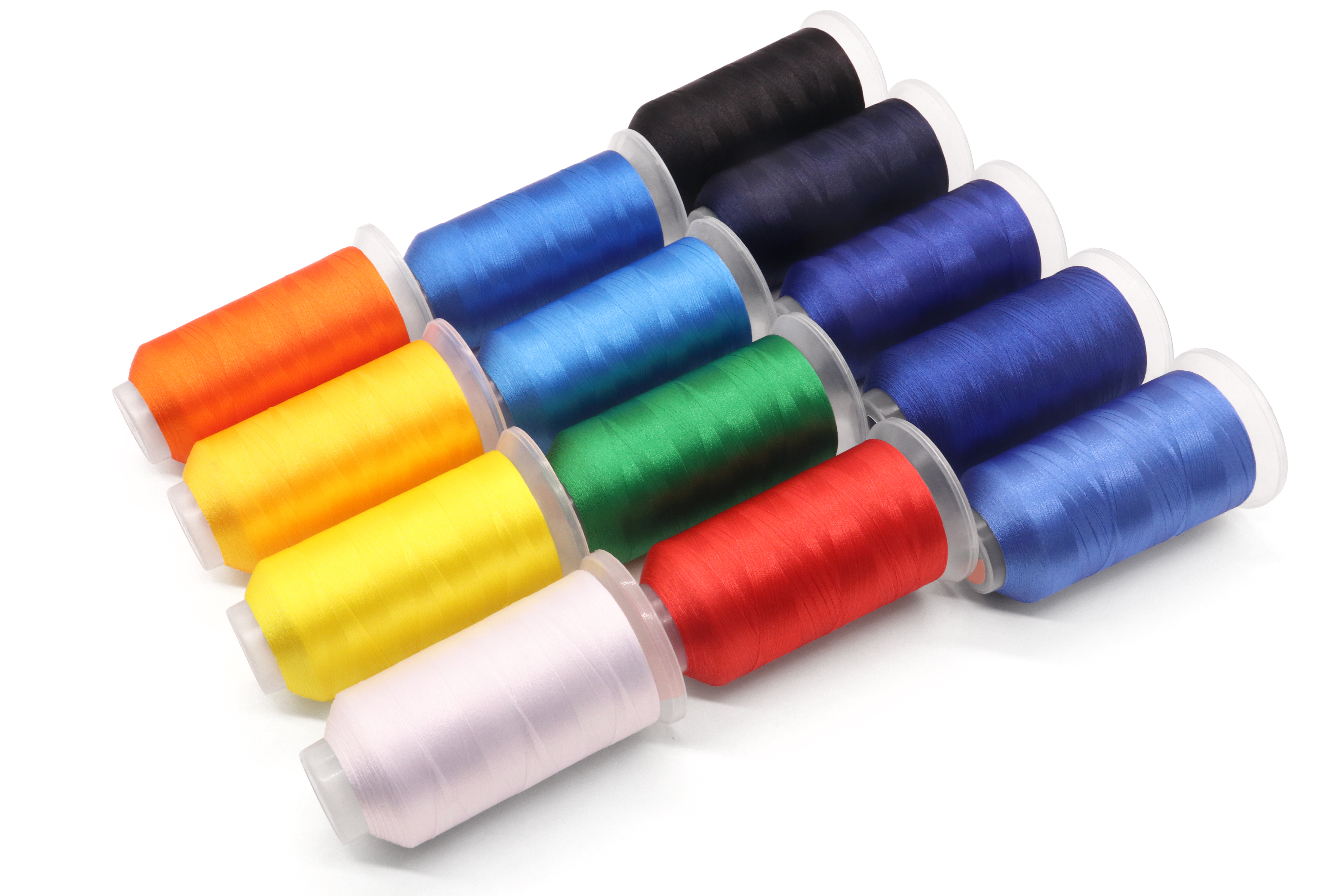
In today's demanding textile manufacturing environment, the selection of appropriate sewing materials can make or break the integrity of finished products. High tenacity continuous filament sewing thread has emerged as a critical component for applications where exceptional strength, durability, and performance under stress are paramount. This specialized thread type offers manufacturers unprecedented reliability in challenging industrial applications, from heavy-duty workwear to technical textiles that must withstand extreme conditions. Understanding the unique properties and advantages of high tenacity continuous filament sewing thread enables manufacturers to make informed decisions that enhance product quality while reducing production costs and warranty claims.
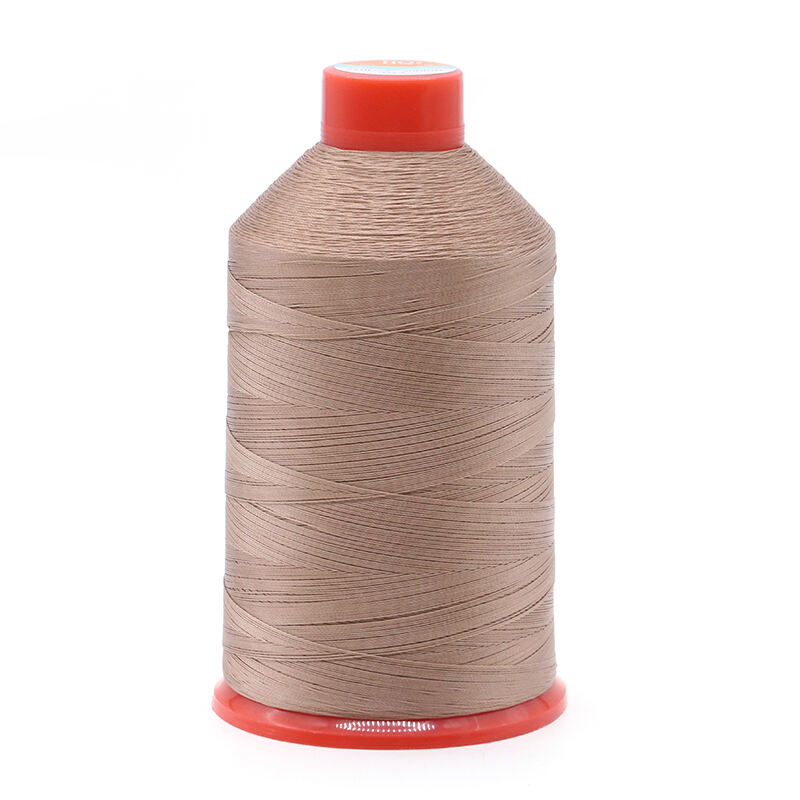
Understanding High Tenacity Thread Technology
Manufacturing Process and Material Composition
The production of high tenacity continuous filament sewing thread involves sophisticated polymer chemistry and precision manufacturing techniques. Manufacturers utilize advanced polyester or nylon polymers that undergo specialized drawing processes to align molecular chains, creating threads with exceptional tensile strength. This continuous filament structure eliminates weak points typically found in spun threads, where individual fibers can separate under stress. The resulting high tenacity continuous filament sewing thread exhibits uniform strength throughout its length, making it ideal for applications requiring consistent performance under varying load conditions.
Advanced manufacturing facilities employ multi-stage drawing processes that can increase thread strength by up to 300% compared to standard polyester threads. Temperature-controlled environments ensure optimal molecular orientation during production, while quality control systems monitor tensile strength, elongation properties, and diameter consistency. These rigorous manufacturing standards result in high tenacity continuous filament sewing thread that meets or exceeds industrial specifications for critical applications in aerospace, automotive, and heavy industrial sectors.
Key Performance Characteristics
High tenacity continuous filament sewing thread demonstrates superior performance characteristics that distinguish it from conventional sewing materials. Tensile strength typically ranges from 8 to 15 grams per denier, significantly exceeding standard polyester threads. Low elongation properties, usually between 12-16%, provide dimensional stability in finished seams while maintaining sufficient flexibility for normal handling and use. The continuous filament structure ensures consistent diameter and eliminates the fuzzing common with spun threads, resulting in cleaner seam appearance and reduced needle heating during high-speed sewing operations.
Chemical resistance represents another critical advantage, with high tenacity continuous filament sewing thread exhibiting excellent performance against acids, alkalis, and organic solvents commonly encountered in industrial applications. UV resistance properties help maintain thread integrity in outdoor applications, while moisture absorption remains minimal, preventing strength degradation in humid environments. These characteristics make high tenacity continuous filament sewing thread an excellent choice for technical textiles requiring long-term reliability under challenging environmental conditions.
Industrial Applications and Performance Benefits
Heavy-Duty Manufacturing Applications
Manufacturing industries rely heavily on high tenacity continuous filament sewing thread for products subjected to extreme mechanical stress and environmental challenges. Automotive seat manufacturing represents a prime application where thread failure can result in safety concerns and costly recalls. The superior tensile strength and abrasion resistance of high tenacity continuous filament sewing thread ensure seam integrity throughout the vehicle's operational lifetime, even under repeated stress cycles from passenger movement and temperature fluctuations.
Industrial canvas and tarpaulin production benefits significantly from the enhanced performance characteristics of specialized sewing threads. These applications demand threads capable of withstanding wind loads, UV exposure, and mechanical abrasion while maintaining seam integrity over extended periods. High tenacity continuous filament sewing thread provides the necessary strength and durability to meet these demanding requirements, reducing warranty claims and enhancing customer satisfaction in commercial and industrial markets.
Technical Textile Manufacturing
The technical textile sector represents one of the fastest-growing markets for high tenacity continuous filament sewing thread, driven by increasing demand for high-performance materials in specialized applications. Geotextile manufacturing requires threads capable of maintaining integrity under soil loads, moisture exposure, and chemical environments encountered in civil engineering projects. The exceptional chemical resistance and strength retention of high tenacity continuous filament sewing thread make it indispensable for these critical infrastructure applications.
Safety equipment manufacturing, including personal protective equipment and fall protection systems, demands absolute reliability in thread performance. High tenacity continuous filament sewing thread provides the consistent strength and durability required for life-safety applications, where thread failure could result in serious injury or death. Rigorous testing protocols ensure that threads meet or exceed safety standards, providing manufacturers and end-users with confidence in product performance under emergency conditions.
Cost-Effectiveness and Production Efficiency
Reduced Thread Breakage and Downtime
Implementing high tenacity continuous filament sewing thread in manufacturing operations significantly reduces production downtime associated with thread breakage and machine stoppages. The superior strength and consistency of continuous filament construction minimize interruptions during high-speed sewing operations, allowing manufacturers to maintain optimal production rates while reducing labor costs associated with thread changes and equipment maintenance. This enhanced reliability translates directly into improved manufacturing efficiency and reduced per-unit production costs.
Quality control benefits extend beyond simple thread breakage reduction, as high tenacity continuous filament sewing thread maintains consistent tension throughout production runs. This consistency reduces variations in seam appearance and strength, minimizing quality control rejections and rework costs. Manufacturers report substantial improvements in first-pass quality rates when switching from standard threads to high tenacity continuous filament alternatives, particularly in demanding applications where seam integrity is critical.
Long-Term Durability and Warranty Reduction
The enhanced durability characteristics of high tenacity continuous filament sewing thread contribute significantly to reduced warranty claims and customer service costs. Products sewn with these specialized threads demonstrate superior seam integrity over extended use periods, reducing field failures and associated replacement costs. This improved reliability particularly benefits manufacturers of outdoor equipment, workwear, and industrial products where durability expectations are high and warranty periods are extended.
Long-term cost analysis reveals that the higher initial cost of high tenacity continuous filament sewing thread is typically offset by reduced warranty expenses, improved customer satisfaction, and enhanced brand reputation. Manufacturers investing in premium thread materials often report improved customer retention rates and increased market share in quality-sensitive market segments, demonstrating the strategic value of superior sewing materials in competitive manufacturing environments.
Selection Criteria and Application Guidelines
Thread Specification Considerations
Selecting appropriate high tenacity continuous filament sewing thread specifications requires careful consideration of application requirements, including expected load conditions, environmental exposure, and performance longevity expectations. Thread weight selection should balance strength requirements with seam appearance considerations, as heavier threads provide increased strength but may create bulkier seam profiles inappropriate for certain applications. Manufacturers must evaluate tensile strength requirements against fabric characteristics to ensure optimal seam performance without fabric damage during sewing operations.
Color fastness and UV resistance specifications become critical considerations for outdoor applications where appearance retention is important alongside structural performance. High tenacity continuous filament sewing thread manufacturers offer various additive packages designed to enhance specific performance characteristics, including antimicrobial treatments for medical applications and flame-retardant formulations for safety equipment. Understanding these specialty options enables manufacturers to optimize thread selection for specific application requirements while maintaining cost-effectiveness.
Machine Compatibility and Setup Requirements
Successful implementation of high tenacity continuous filament sewing thread requires appropriate machine setup and operator training to maximize performance benefits while preventing equipment damage. Needle selection becomes critical, as the smooth surface and low elongation characteristics of continuous filament threads require specific needle geometries to prevent thread damage during penetration. Sharp needle points and appropriate eye sizes ensure clean thread passage while minimizing friction and heat generation that could compromise thread integrity.
Tension adjustment represents another crucial factor in optimizing high tenacity continuous filament sewing thread performance. The low elongation characteristics require precise tension control to prevent thread breakage while ensuring adequate seam formation. Machine operators must understand the unique handling characteristics of these specialized threads to achieve optimal results consistently. Proper training and setup procedures ensure that manufacturers realize the full performance benefits of high tenacity continuous filament sewing thread investments while maintaining production efficiency.
Environmental Impact and Sustainability Considerations
Recyclability and Waste Reduction
Modern high tenacity continuous filament sewing thread manufacturing increasingly emphasizes environmental sustainability through improved recyclability and reduced waste generation. Polyester-based continuous filament threads can be recycled through chemical or mechanical processes, reducing environmental impact while recovering valuable raw materials. The enhanced durability of high tenacity continuous filament sewing thread extends product lifecycles, reducing replacement frequency and associated environmental impacts from manufacturing and disposal activities.
Manufacturing processes for high tenacity continuous filament sewing thread continue evolving toward greater environmental responsibility, with leading manufacturers implementing closed-loop production systems that minimize waste and energy consumption. Water recycling systems and solvent recovery processes reduce environmental impact while maintaining product quality standards. These sustainability improvements align with growing corporate environmental responsibility initiatives while providing cost savings through improved resource utilization efficiency.
Life Cycle Assessment Benefits
Comprehensive life cycle assessments demonstrate that high tenacity continuous filament sewing thread often provides superior environmental performance compared to conventional alternatives when evaluated across entire product lifecycles. The enhanced durability and performance characteristics extend product service life, reducing replacement frequency and associated environmental impacts from manufacturing, transportation, and disposal activities. This extended service life particularly benefits applications where product longevity is valued over initial cost considerations.
Energy efficiency benefits emerge from reduced production downtime and improved manufacturing efficiency when using high tenacity continuous filament sewing thread. Fewer thread breaks and quality issues reduce energy consumption associated with rework and production delays, while improved seam integrity reduces warranty-related transportation and replacement activities. These efficiency improvements contribute to overall environmental impact reduction while providing economic benefits to manufacturers and end-users.
Quality Control and Testing Standards
Industry Testing Protocols
Rigorous quality control testing ensures that high tenacity continuous filament sewing thread meets demanding performance specifications required for critical applications. Standard test methods include tensile strength measurement, elongation testing, and abrasion resistance evaluation under controlled laboratory conditions. These tests provide manufacturers with objective performance data essential for application-specific thread selection and quality assurance programs. Advanced testing facilities utilize automated equipment to ensure consistent and repeatable results across production batches.
Specialized testing protocols address unique requirements for high tenacity continuous filament sewing thread applications, including cyclic loading tests that simulate real-world stress conditions and environmental exposure testing that evaluates performance under UV radiation, temperature extremes, and chemical exposure. These comprehensive testing programs provide confidence in thread performance under actual use conditions while identifying potential limitations or special handling requirements for specific applications.
Certification and Compliance Requirements
Many applications requiring high tenacity continuous filament sewing thread must comply with industry-specific certification requirements and performance standards. Automotive applications may require compliance with specific OEM standards for strength, durability, and environmental resistance. Safety equipment applications often require certification to national or international safety standards that mandate specific performance characteristics and testing protocols. Understanding these certification requirements is essential for thread selection and quality assurance programs.
Documentation requirements for certified applications necessitate comprehensive traceability systems that track thread production batches from raw materials through finished product delivery. Quality management systems must maintain detailed records of testing results, production parameters, and material certifications to support compliance verification and audit requirements. These documentation systems ensure product quality while providing liability protection for manufacturers using high tenacity continuous filament sewing thread in critical applications.
FAQ
What makes high tenacity continuous filament sewing thread stronger than regular thread?
High tenacity continuous filament sewing thread achieves superior strength through specialized polymer chemistry and manufacturing processes that align molecular chains within individual filaments. The continuous filament structure eliminates weak points found in spun threads where individual fibers can separate under stress. Advanced drawing processes during manufacturing can increase tensile strength by up to 300% compared to standard polyester threads, while maintaining consistent performance throughout the thread length.
How does continuous filament construction improve sewing machine performance?
The smooth surface and consistent diameter of high tenacity continuous filament sewing thread reduce friction and heat generation during high-speed sewing operations. This results in fewer thread breaks, reduced needle heating, and improved stitch formation consistency. The absence of protruding fibers common in spun threads eliminates fuzzing and reduces lint accumulation in machine mechanisms, extending equipment service intervals and improving overall production efficiency.
What applications benefit most from high tenacity continuous filament sewing thread?
Applications requiring exceptional seam strength and durability benefit most from high tenacity continuous filament sewing thread, including automotive seating, heavy-duty workwear, technical textiles, and safety equipment. Industries where thread failure could result in safety concerns or costly warranty claims particularly benefit from the enhanced reliability. Outdoor applications exposed to UV radiation, chemicals, or extreme weather conditions also benefit from the superior environmental resistance of continuous filament construction.
How should manufacturers adjust their processes when switching to high tenacity continuous filament sewing thread?
Manufacturers should adjust needle selection to accommodate the smooth surface and low elongation characteristics of high tenacity continuous filament sewing thread, typically requiring sharp needle points and appropriate eye sizes. Tension settings require precise adjustment due to the low elongation properties, and operators need training on the unique handling characteristics. Machine setup procedures should be documented and followed consistently to achieve optimal results while preventing equipment damage or thread performance issues.
Table of Contents
- Understanding High Tenacity Thread Technology
- Industrial Applications and Performance Benefits
- Cost-Effectiveness and Production Efficiency
- Selection Criteria and Application Guidelines
- Environmental Impact and Sustainability Considerations
- Quality Control and Testing Standards
-
FAQ
- What makes high tenacity continuous filament sewing thread stronger than regular thread?
- How does continuous filament construction improve sewing machine performance?
- What applications benefit most from high tenacity continuous filament sewing thread?
- How should manufacturers adjust their processes when switching to high tenacity continuous filament sewing thread?