 EN
EN

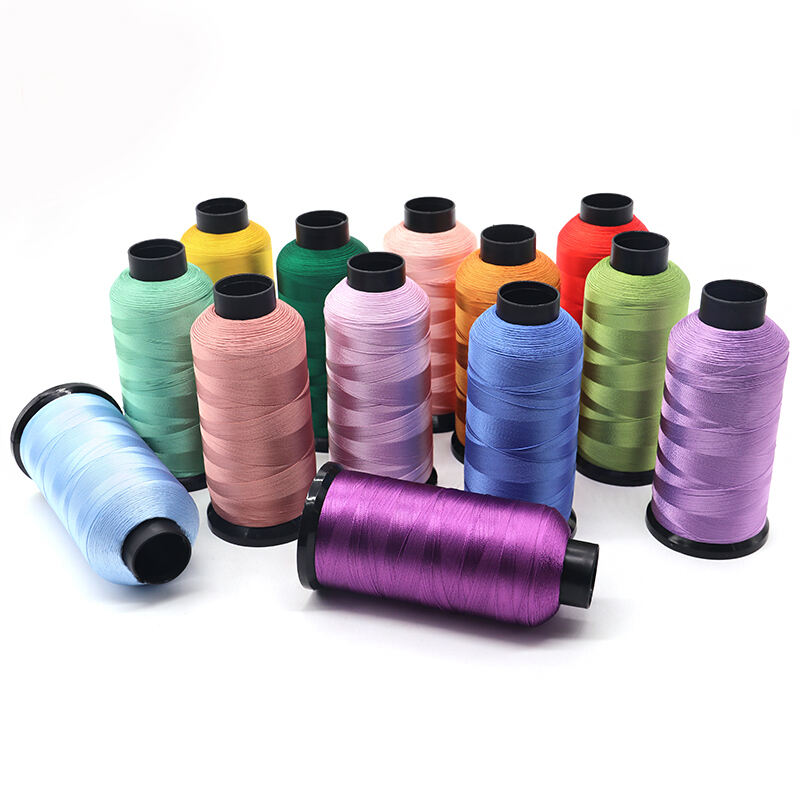
In the diverse world of industrial textiles and manufacturing, filament thread stands as one of the most versatile and essential components across countless applications. This continuous synthetic fiber, typically made from polyester, nylon, or other polymer materials, offers exceptional strength, durability, and consistency that makes it indispensable in modern production processes. Understanding where filament thread finds its most common applications helps manufacturers, designers, and procurement professionals make informed decisions about material selection for their specific projects. The unique properties of filament thread, including its smooth surface texture and superior tensile strength, have revolutionized numerous industries from fashion and automotive to aerospace and marine applications.
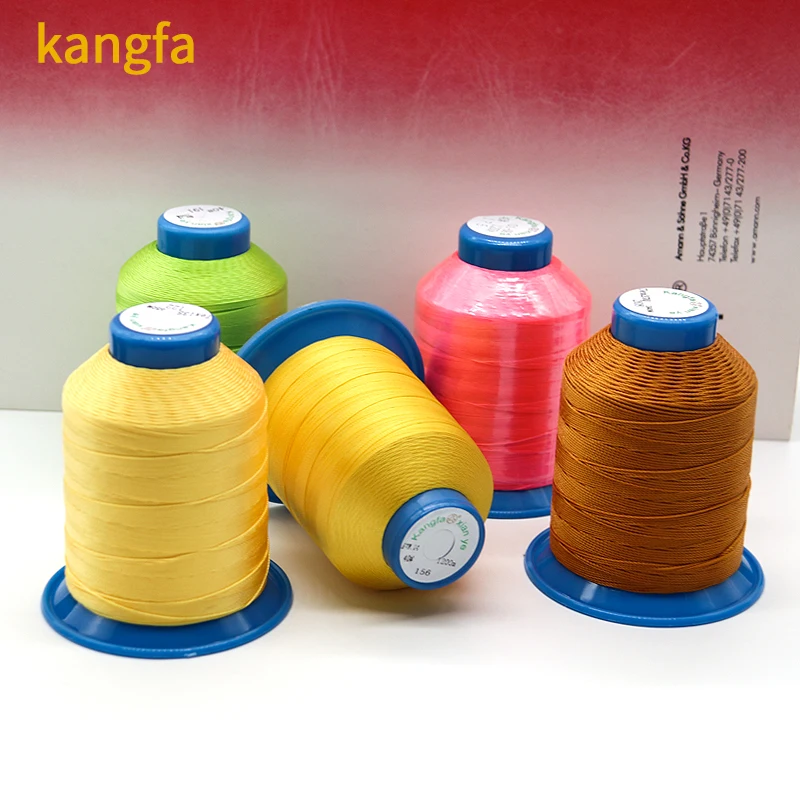
Apparel and Fashion Industry Applications
High-End Garment Construction
The apparel industry represents one of the largest consumers of filament thread, particularly in premium garment manufacturing. High-end fashion houses and luxury brands consistently choose filament thread for its ability to create invisible, strong seams that maintain the garment's aesthetic integrity over time. The smooth surface of filament thread reduces friction during the sewing process, resulting in cleaner stitches and reduced thread breakage during high-speed industrial sewing operations. This efficiency translates to lower production costs and higher quality finished products that meet the demanding standards of discerning consumers.
Designer clothing often requires intricate construction techniques that demand thread with exceptional consistency and strength. Filament thread excels in these applications because its uniform diameter and predictable performance characteristics allow seamstresses and industrial operators to achieve precise results repeatedly. The thread's resistance to pilling and fuzzing ensures that seams remain smooth and professional-looking even after multiple wash cycles and extended wear.
Activewear and Performance Textiles
Modern activewear and athletic apparel heavily rely on filament thread to meet the demanding performance requirements of active consumers. The inherent elasticity recovery and moisture-wicking properties of synthetic filament thread make it ideal for garments that must withstand intense physical activity while maintaining their shape and appearance. Sports brands particularly value the colorfast properties of filament thread, which ensure that bright, vibrant athletic wear maintains its visual appeal through countless washing and drying cycles.
Technical outdoor apparel, including hiking gear, climbing equipment, and extreme weather clothing, requires thread that can perform reliably under harsh conditions. Filament thread's resistance to UV degradation, chemical exposure, and temperature extremes makes it the preferred choice for manufacturers of professional outdoor equipment. The thread's ability to maintain its strength and flexibility in sub-zero temperatures while resisting degradation from prolonged sun exposure ensures that critical seams remain intact when lives may depend on equipment reliability.
Leather Goods and Luxury Accessories
Premium Leather Footwear
The leather footwear industry has embraced filament thread as an essential component in creating durable, high-quality shoes that withstand daily wear and environmental stress. Premium shoe manufacturers appreciate how filament thread's smooth surface allows for clean penetration through thick leather without causing unnecessary stress or tearing at stitch points. This characteristic is particularly important in high-end dress shoes and boots where the integrity of construction directly impacts both appearance and longevity.
Industrial safety footwear manufacturing relies on filament thread's superior strength characteristics to meet stringent safety standards and regulatory requirements. Steel-toed boots, electrical hazard shoes, and chemical-resistant footwear all depend on thread that maintains its properties under extreme conditions. The consistent performance of filament thread ensures that critical safety seams remain intact even when subjected to the harsh environments these specialized shoes are designed to protect against.
Handbags and Leather Accessories
Luxury handbag manufacturers consistently choose filament thread for its ability to create strong, durable seams that maintain their appearance throughout the product's lifetime. The thread's resistance to abrasion and stretching ensures that handles, straps, and closure systems remain functional and aesthetically pleasing despite repeated use and stress. High-end leather goods require thread that can match the quality and longevity expectations associated with premium materials and craftsmanship.
Automotive leather accessories, including seat covers, steering wheel wraps, and interior trim components, benefit from filament thread's UV resistance and chemical stability. These applications demand thread that can withstand the extreme temperature fluctuations and chemical exposures common in automotive environments while maintaining its strength and appearance over many years of use.
Industrial and Technical Applications
Automotive Manufacturing
The automotive industry extensively uses filament thread in numerous applications ranging from seat upholstery to airbag construction. Modern vehicle interiors require thread that can meet strict flammability standards while providing the durability needed for components that experience constant use over many years. Filament thread's consistent performance characteristics make it ideal for automated manufacturing processes where precision and repeatability are essential for meeting quality control standards.
Safety-critical automotive applications, such as seat belt construction and airbag manufacturing, rely on filament thread's exceptional strength-to-weight ratio and predictable failure characteristics. These applications require thread that has been rigorously tested and certified to meet international safety standards. The traceability and batch consistency available with high-quality filament thread enables automotive manufacturers to maintain the detailed documentation required for safety compliance and liability protection.
Marine and Outdoor Equipment
Marine applications present unique challenges that filament thread is particularly well-suited to address. Boat canvas, sail repair, and marine upholstery all require thread that can resist saltwater corrosion, UV degradation, and constant moisture exposure while maintaining structural integrity. The hydrophobic properties of synthetic filament thread prevent water absorption that could lead to mold, mildew, or dimensional instability in critical marine applications.
Professional sailing and competitive sailing equipment manufacturers rely on filament thread for applications where failure could result in dangerous situations or competitive disadvantage. Racing sails, safety harnesses, and survival equipment all require thread that delivers consistent performance under extreme stress conditions. The predictable stretch and recovery characteristics of filament thread allow designers to calculate load distributions accurately and create equipment that performs reliably when lives depend on its integrity.
Home Furnishings and Upholstery
Commercial Upholstery
The commercial upholstery industry values filament thread for its ability to create strong, durable seams in furniture that must withstand heavy use in hotels, restaurants, offices, and other high-traffic environments. Commercial-grade furniture requires thread that can maintain its strength and appearance despite constant use, frequent cleaning, and exposure to various chemicals and environmental conditions. Filament thread's resistance to most common cleaning agents and its ability to retain color under commercial washing and sanitizing procedures make it essential for this demanding application.
Healthcare facility furniture and medical equipment upholstery requires thread that can withstand repeated sterilization cycles and exposure to medical-grade disinfectants without degrading or losing its structural integrity. The biocompatibility and chemical resistance of properly selected filament thread ensures that medical furniture maintains its safety and functionality throughout its service life while meeting stringent healthcare industry cleanliness standards.
Automotive Interior Components
Vehicle interior manufacturing extensively uses filament thread for seat covers, door panels, headliners, and carpet binding applications. These components must meet strict automotive industry standards for flammability, off-gassing, and durability while maintaining their appearance and functionality for the vehicle's expected service life. The temperature stability of filament thread ensures that interior components remain intact and functional even when vehicles are exposed to extreme heat or cold conditions.
Luxury vehicle manufacturers particularly value filament thread's ability to create nearly invisible seams in premium leather and fabric interiors. The thread's smooth surface and consistent diameter enable the precise stitching patterns and decorative seaming that distinguish high-end automotive interiors. Color matching capabilities ensure that thread selections complement interior design schemes perfectly while providing the durability required for automotive applications.
Specialized Industrial Uses
Filtration and Technical Textiles
Industrial filtration applications represent a growing market for specialized filament thread designed to meet specific chemical resistance and temperature requirements. Filter bag construction, membrane support structures, and industrial fabric reinforcement all require thread that maintains its properties when exposed to harsh chemicals, extreme temperatures, and mechanical stress. The chemical inertness of properly selected filament thread ensures that filtration systems continue to operate effectively without thread degradation compromising filter integrity.
Geotextile applications and civil engineering projects utilize high-strength filament thread for ground stabilization fabrics, erosion control systems, and infrastructure reinforcement applications. These demanding environments require thread that can maintain its strength when buried in soil for decades while resisting chemical attack from groundwater and environmental contaminants. The longevity and predictable performance of filament thread make it essential for projects where replacement or repair would be extremely costly or technically challenging.
Aerospace and Defense Applications
Aerospace applications demand the highest levels of quality, consistency, and performance from every component, including the thread used in critical assemblies. Filament thread used in aircraft interiors, parachute construction, and safety equipment must meet rigorous testing and certification requirements while delivering reliable performance under extreme conditions. The traceability and quality documentation available with aerospace-grade filament thread enables manufacturers to meet the strict regulatory requirements governing aviation safety.
Military and defense applications require thread that can perform reliably under combat conditions while meeting strict specifications for strength, chemical resistance, and environmental stability. Body armor, military equipment, and tactical gear all depend on thread that maintains its properties when exposed to extreme temperatures, chemicals, and mechanical stress. The consistent performance characteristics of filament thread enable defense contractors to create equipment that protects military personnel effectively while meeting the demanding requirements of military procurement specifications.
FAQ
What makes filament thread superior to spun thread for industrial applications
Filament thread offers several key advantages over spun thread for industrial applications, including superior strength, reduced lint production, and more consistent diameter throughout its length. The smooth surface of filament thread creates less friction during sewing operations, resulting in faster production speeds and reduced thread breakage. Additionally, filament thread's resistance to abrasion and environmental factors makes it ideal for applications where long-term durability is essential.
How do manufacturers select the appropriate filament thread weight for specific applications
Selecting the correct filament thread weight depends on several factors including the material being sewn, the intended use of the finished product, and the stress requirements of the seam. Heavy-duty applications like leather goods and automotive upholstery typically require heavier thread weights, while delicate fabrics and decorative applications benefit from lighter weights. Manufacturers often conduct testing with different thread weights to optimize the balance between seam strength, appearance, and sewing performance.
What quality standards should be considered when sourcing filament thread for critical applications
Critical applications require filament thread that meets relevant industry standards such as ISO, ASTM, or military specifications depending on the intended use. Important quality factors include tensile strength consistency, UV resistance, chemical compatibility, and dimensional stability. Manufacturers should also consider the supplier's quality management systems, batch traceability, and ability to provide consistent supply for long-term projects requiring identical thread characteristics.
How does filament thread perform in automated manufacturing environments
Filament thread excels in automated manufacturing environments due to its consistent diameter, smooth surface, and predictable performance characteristics. These properties reduce thread breakage during high-speed sewing operations, minimize machine downtime for thread changes, and enable more precise tension control. The reduced lint production of filament thread also helps maintain cleaner manufacturing environments and reduces the frequency of equipment cleaning and maintenance requirements.
Table of Contents
- Apparel and Fashion Industry Applications
- Leather Goods and Luxury Accessories
- Industrial and Technical Applications
- Home Furnishings and Upholstery
- Specialized Industrial Uses
-
FAQ
- What makes filament thread superior to spun thread for industrial applications
- How do manufacturers select the appropriate filament thread weight for specific applications
- What quality standards should be considered when sourcing filament thread for critical applications
- How does filament thread perform in automated manufacturing environments