 EN
EN

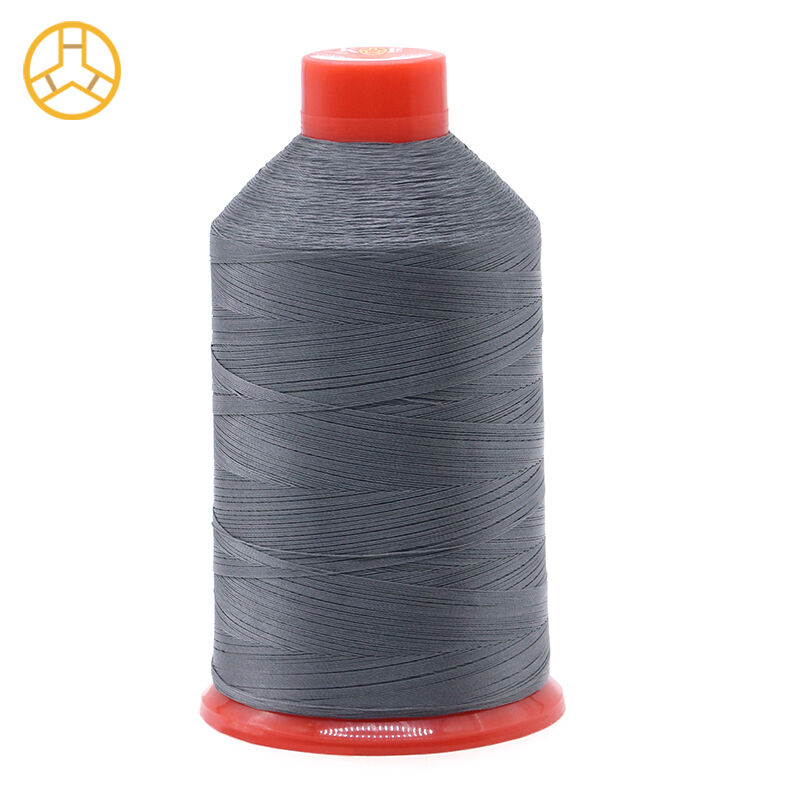
Embroidery enthusiasts and professional seamstresses often face the frustrating challenge of thread colors losing their vibrancy over time. Whether you're working on delicate handcrafted pieces or commercial embroidery projects, maintaining the rich hues of your embroidery thread is crucial for creating lasting, beautiful results. Understanding the factors that contribute to fading and implementing proper prevention techniques can significantly extend the life and appearance of your embroidered creations.
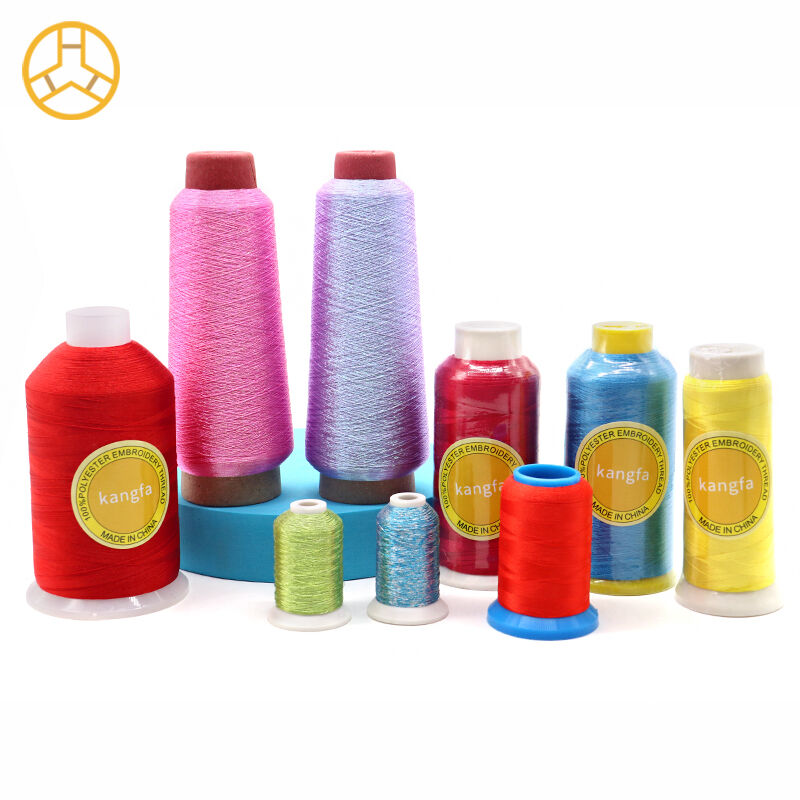
The longevity of embroidered artwork depends heavily on the quality of materials used and the care taken during both the creation and maintenance phases. High-quality embroidery thread contains superior dyes and fibers that resist fading, while proper storage and handling techniques can preserve these colors for decades. By implementing comprehensive protection strategies, crafters can ensure their embroidery projects maintain their original brilliance and continue to impress viewers for years to come.
Understanding the Science Behind Thread Fading
Chemical Composition and Dye Quality
The fundamental structure of embroidery thread determines its resistance to color degradation. Premium threads utilize colorfast dyes that bond chemically with the fiber molecules, creating a stable color matrix that resists breaking down under stress. These dyes undergo extensive testing to ensure they meet international standards for light fastness and wash fastness, providing crafters with reliable color retention.
Different fiber types exhibit varying levels of dye absorption and retention. Cotton fibers naturally accept dyes well but may fade more quickly than synthetic alternatives when exposed to harsh conditions. Polyester and rayon threads often demonstrate superior color stability due to their synthetic nature and the advanced dyeing processes used in their manufacture. Understanding these material properties helps embroiderers select appropriate threads for their specific projects and intended use environments.
Environmental Factors Affecting Color Stability
Ultraviolet radiation represents the primary enemy of embroidery thread colorfastness. When UV rays penetrate the fiber structure, they break down the molecular bonds within the dye compounds, causing gradual color loss and fading. This process occurs more rapidly in direct sunlight but can also happen under artificial lighting conditions over extended periods.
Temperature fluctuations and humidity levels create additional stress on thread fibers and their embedded dyes. High temperatures accelerate chemical reactions that degrade color compounds, while excessive moisture can cause dyes to migrate or wash out of the fiber structure. Air pollutants and atmospheric chemicals can also react with thread dyes, leading to unexpected color changes or premature fading in urban or industrial environments.
Proper Storage Techniques for Maximum Color Preservation
Climate-Controlled Storage Solutions
Creating an optimal storage environment represents the first line of defense against thread fading. Embroidery thread should be kept in cool, dry locations with consistent temperature and humidity levels. Ideal storage temperatures range between 60-70 degrees Fahrenheit with relative humidity maintained below 50 percent to prevent moisture-related degradation.
Professional embroiderers often invest in climate-controlled storage cabinets or dedicated craft rooms equipped with dehumidifiers and temperature regulation systems. These controlled environments significantly extend thread life by eliminating the environmental stresses that contribute to color degradation. For home crafters, storing threads in interior closets away from heating vents and moisture sources provides adequate protection for most applications.
Light Protection and Organization Methods
Protecting embroidery thread from light exposure requires strategic storage planning and appropriate containers. Opaque storage boxes, drawers, and cabinets provide excellent protection from both natural and artificial light sources. Clear plastic containers should be avoided unless they offer UV protection, as they can concentrate harmful light rays and accelerate fading.
Organizing threads by color families and usage frequency allows for quick access while minimizing exposure time during selection processes. Thread organizers with individual compartments reduce handling and prevent unnecessary light exposure to unused skeins. Some crafters implement rotation systems, using older threads first to ensure even aging and prevent certain colors from deteriorating while others remain pristine.
Selection Criteria for Fade-Resistant Threads
Quality Indicators and Certifications
Identifying high-quality embroidery thread requires understanding industry standards and certification marks that indicate superior colorfastness. Look for threads that meet or exceed ISO standards for light fastness, typically rated on scales from 1 to 8, with higher numbers indicating better resistance to fading. Reputable manufacturers often display these ratings on packaging or product specifications.
Premium thread brands invest heavily in research and development to create colorfast formulations that maintain vibrancy under stress. These manufacturers typically offer warranties or guarantees regarding color stability, demonstrating confidence in their products' performance. Reading product reviews and seeking recommendations from experienced embroiderers can provide valuable insights into real-world performance of different thread brands and types.
Fiber Content and Construction Features
The base fiber material significantly influences the fade resistance of embroidery thread. Mercerized cotton threads undergo chemical treatment that enhances dye absorption and retention while increasing fiber strength and luster. Polyester threads generally offer superior colorfastness compared to natural fibers, making them ideal for applications requiring maximum fade resistance.
Thread construction methods also impact color stability and overall durability. Multi-ply threads with twisted construction provide better coverage and color density than single-strand alternatives. The twist level affects how tightly the fibers hold together, influencing both the thread's strength and its ability to retain dye molecules under stress. Higher quality threads maintain consistent twist throughout their length, ensuring uniform color distribution and performance.
Best Practices During Embroidery Work
Handling Techniques to Minimize Damage
Proper handling during the embroidery process plays a crucial role in preserving thread color and integrity. Clean hands free from lotions, oils, and residues prevent contamination that could react with thread dyes or attract dirt and pollutants. Washing hands before each embroidery session and avoiding contact with the working thread whenever possible helps maintain color purity throughout the project.
Working in well-lit areas reduces eye strain and prevents the need for excessive handling while searching for specific colors or correcting mistakes. Good lighting also helps embroiderers make accurate color selections and detect any early signs of fading or color inconsistencies. Organizing the workspace to minimize thread exposure to direct sunlight or heat sources protects both working threads and stored supplies.
Project Planning and Thread Management
Strategic project planning can significantly reduce thread exposure time and minimize opportunities for color degradation. Preparing all necessary thread lengths before beginning work reduces repeated handling of source skeins and limits light exposure. Using thread organizers or bobbins for active projects keeps working threads clean and protected while maintaining easy access.
Implementing a systematic approach to thread usage helps ensure consistent color throughout projects. Working with threads from the same dye lot prevents subtle color variations that could become apparent over time. Keeping detailed records of thread brands, colors, and lot numbers enables accurate replacement if additional material is needed to complete or repair projects.
Maintenance and Cleaning Strategies
Safe Cleaning Methods for Embroidered Items
Proper cleaning techniques for finished embroidery pieces require careful consideration of both the base fabric and the embroidery thread characteristics. Testing colorfastness before cleaning any embroidered item helps prevent unexpected color bleeding or fading during the cleaning process. Small, inconspicuous areas should be tested with the intended cleaning method to verify thread stability.
Hand washing with cool water and pH-neutral detergents provides the gentlest cleaning approach for most embroidered items. Avoiding harsh chemicals, bleaches, and high-temperature water prevents chemical reactions that could damage thread dyes or fiber structures. Soaking times should be minimized, and items should be handled gently throughout the washing process to prevent physical stress on the embroidery thread.
Drying and Post-Cleaning Care
The drying process presents critical opportunities for thread damage if not managed properly. Air drying away from direct sunlight and heat sources prevents UV damage and thermal stress that could cause fading or fiber degradation. Laying items flat on clean towels or using specialized drying racks helps maintain shape while protecting delicate embroidery work.
Proper pressing techniques using appropriate temperature settings and protective cloths help restore the appearance of embroidered items without damaging thread colors. Steam should be used cautiously, as excessive moisture and heat can cause dye migration or fiber damage. Storing cleaned items in acid-free containers or breathable fabric covers protects them from environmental contaminants while allowing air circulation.
Long-Term Preservation Techniques
Archival Storage Methods
For heirloom pieces or valuable embroidery work intended for long-term preservation, archival storage techniques provide maximum protection against color degradation. Acid-free boxes, tissue paper, and storage materials prevent chemical reactions that could affect thread colors over decades of storage. These specialized materials cost more than standard storage supplies but offer superior protection for irreplaceable items.
Museum-quality storage environments maintain strict control over temperature, humidity, and light exposure to preserve textile colors indefinitely. While most crafters cannot replicate museum conditions exactly, implementing similar principles on a smaller scale significantly extends the life of embroidered items. Regular monitoring of storage conditions and periodic inspection of stored items helps identify potential problems before they cause permanent damage.
Professional Conservation Services
Valuable or historically significant embroidered pieces may benefit from professional conservation assessment and treatment. Textile conservators possess specialized knowledge and equipment to address color fading issues and prevent further deterioration. These professionals can recommend appropriate storage conditions, cleaning methods, and display techniques tailored to specific pieces and their materials.
Conservation treatments may include color stabilization procedures, protective backing installation, or environmental control recommendations. While professional conservation services require significant investment, they provide expert guidance for preserving irreplaceable embroidery work for future generations. Many conservators also offer consultation services to help collectors and crafters develop appropriate care protocols for their embroidery collections.
FAQ
What causes embroidery thread to fade most quickly
Ultraviolet light exposure represents the primary cause of rapid thread fading, breaking down dye molecules through photochemical reactions. Direct sunlight accelerates this process significantly, but artificial lighting and fluorescent bulbs can also contribute to gradual color loss over time. Heat, humidity, and chemical pollutants create additional stress factors that compound the effects of light exposure.
How can I test if my embroidery thread is colorfast before starting a project
Test thread colorfastness by dampening a small section with distilled water and pressing it against white fabric or paper towel. If color transfers, the thread may bleed during washing or in humid conditions. For light fastness testing, expose a thread sample to bright light for several hours and compare it to a protected sample to detect any color changes.
Can faded embroidery thread be restored to its original color
Unfortunately, once embroidery thread has faded due to UV damage or chemical degradation, the original color cannot be fully restored through conventional means. Some professional textile conservators can apply specialized treatments to stabilize remaining dyes and prevent further fading, but complete color restoration typically requires replacing the affected threads entirely.
What storage temperature and humidity levels work best for preserving thread colors
Optimal storage conditions maintain temperatures between 60-70 degrees Fahrenheit with relative humidity levels below 50 percent. These conditions slow chemical reactions that cause dye degradation while preventing moisture-related problems like mold growth or dye migration. Consistent conditions prove more important than achieving exact target numbers, as fluctuations create additional stress on thread fibers and dyes.