 EN
EN

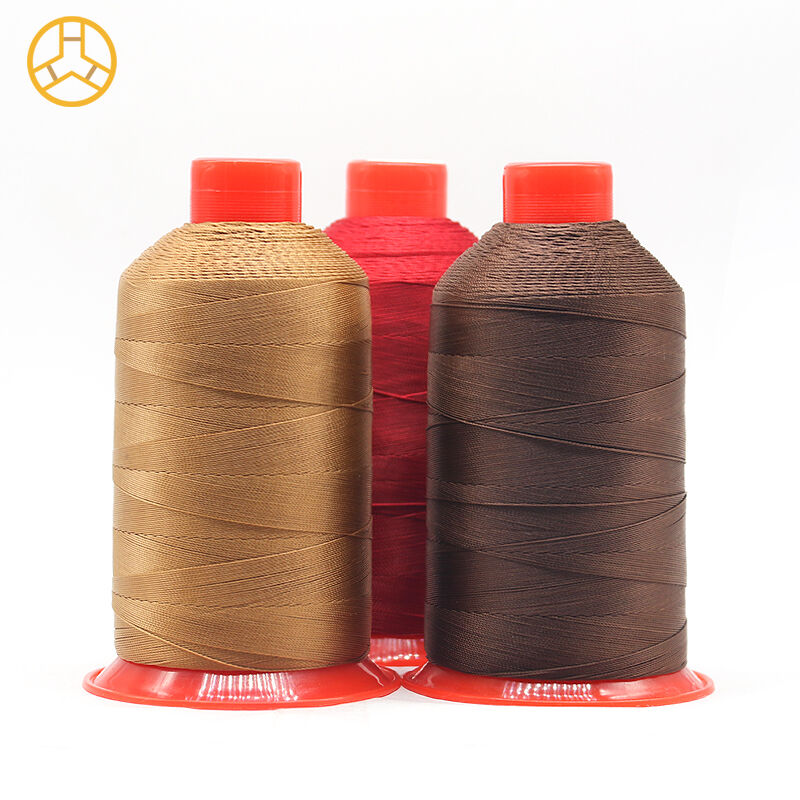
Selecting the correct sewing thread for industrial-grade canvas is one of the most consequential decisions a manufacturer, upholstery professional, or heavy-duty fabricator can make. Unlike household fabrics that tolerate average thread performance, industrial canvas applications—tent manufacturing, truck tarpaulins, marine covers, military gear, agricultural sheeting, and workwear—impose extreme mechanical, environmental, and structural demands on every single stitch. Choosing incorrectly leads to seam failure, product recalls, costly rework, and in safety-critical applications, genuine hazard. Getting it right, by contrast, means durable bonds that outlast the fabric itself.
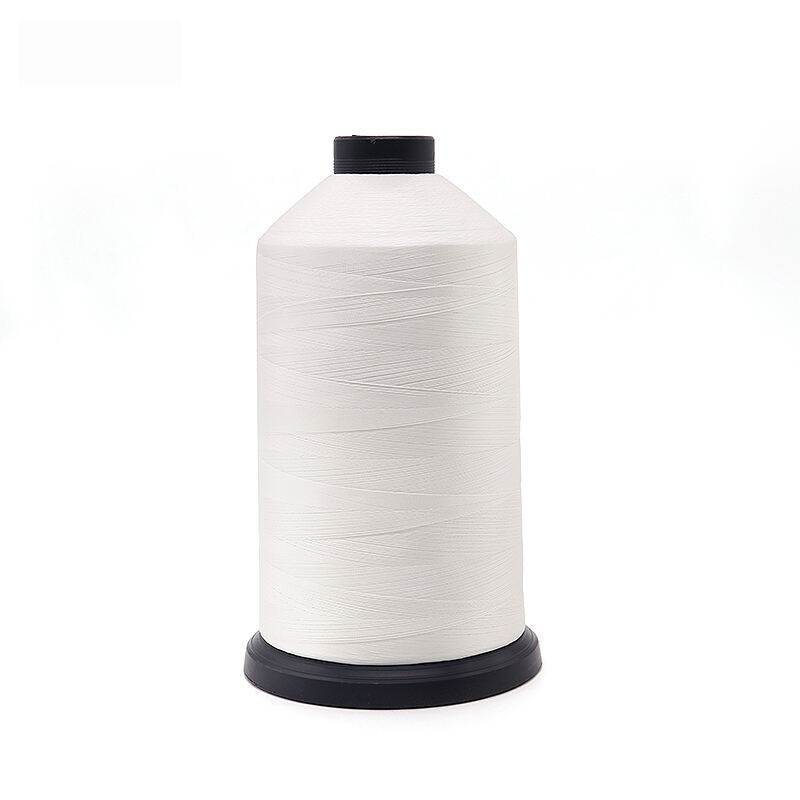
This guide breaks down the precise selection criteria you need to evaluate when sourcing sewing thread for industrial-grade canvas. From fiber type and tensile strength to needle compatibility and environmental resistance, each factor plays a distinct role in determining whether your sewn canvas product performs at specification over its intended service life. Whether you are running a high-speed industrial sewing operation or specifying thread for outsourced production, understanding these principles will sharpen your procurement decisions and eliminate costly guesswork.
Understanding the Mechanical Demands of Industrial Canvas
Why Canvas Imposes Unique Thread Requirements
Industrial canvas is fundamentally different from light apparel fabric in density, weight, and structural purpose. Woven from tightly packed yarns—commonly cotton duck, polyester, polypropylene, or blended constructions—it carries heavy loads, resists abrasion, and must hold its shape under prolonged tension. The thread that joins canvas panels or reinforces its edges must match these properties rather than contradict them. A thread that is too fine will snap under load; a thread that is too coarse may pucker the seam or resist passing cleanly through the material.
Canvas seams are regularly subjected to multi-directional stress. Tarpaulins flex in wind, awnings stretch under snow load, bags are repeatedly filled and emptied under compression. The sewing thread for industrial-grade canvas must therefore not only provide tensile strength along the stitch line but also exhibit resistance to the cyclic fatigue that repeated flexing produces. This is why thread selection cannot rely solely on breaking strength figures—elongation characteristics, loop strength, and stitch lock properties all come into play during real-world use.
Load-Bearing and Seam Efficiency Considerations
Seam efficiency—the ratio of sewn seam strength to base fabric strength—is a measurable target in industrial fabrication. For heavy canvas applications, achieving seam efficiency above 80 percent is often the benchmark. This figure is influenced not only by thread selection but by stitch type, stitch density, and needle size; however, thread quality sets the upper limit of what any seam can achieve. Using an underpowered thread essentially caps your seam efficiency before needle and stitch settings even enter the equation.
When specifying sewing thread for industrial-grade canvas, procurement teams should request tensile strength data in Newtons, elongation at break percentages, and loop strength values from thread suppliers. These technical figures allow meaningful comparison across thread grades and fiber types rather than relying on ticket numbers alone, which can vary in meaning between manufacturers and standards systems. Always map thread specifications against the expected load profile of the finished canvas product.
Thread Fiber Types and Their Suitability for Canvas
Polyester Thread for Durability and UV Resistance
Polyester is currently the most widely used fiber in sewing thread for industrial-grade canvas, and for sound reasons. Its high tenacity—typically ranging from 60 to 90 cN/tex depending on grade—provides the raw strength industrial seams require. More importantly, polyester does not absorb moisture the way cotton does, meaning its strength is consistent whether the canvas is dry, damp, or fully saturated. This matters enormously for outdoor applications such as truck covers, boat canopies, and agricultural protection sheeting where moisture exposure is the norm.
UV resistance is another decisive advantage. Untreated polyester thread already offers better UV stability than natural fibers, and UV-stabilized polyester formulations extend this further, making them the preferred choice for any canvas product that will spend significant time in sunlight. When evaluating sewing thread for industrial-grade canvas in outdoor applications, always ask suppliers whether their polyester thread contains UV stabilization additives and request supporting test data.
Nylon Thread for Elasticity and Abrasion Resistance
Nylon thread offers a distinct performance profile that suits certain canvas applications better than polyester. Its higher elongation at break—often 20 to 30 percent versus polyester's 15 to 20 percent—means it absorbs sudden shock loads more gracefully, reducing stitch breakage in applications where impact stress rather than sustained load is the dominant force. Military canvas goods, safety harnesses, and heavy-duty luggage often specify nylon thread on these grounds.
Abrasion resistance is another area where nylon excels, making it a strong candidate for sewing thread for industrial-grade canvas in applications where the sewn seam will experience rubbing or friction during service—such as the edges of conveyor covers or vehicle seat covers. The trade-off is that nylon absorbs more moisture than polyester, which can affect dimensional stability and cause slight strength reduction when wet. For purely indoor or controlled-environment applications, this limitation is rarely significant.
High-Tenacity Cotton and Blended Options
Although polyester and nylon dominate the industrial canvas sector, high-tenacity cotton thread retains a role in specific niches. Cotton thread generates less heat from needle friction than synthetic threads during high-speed sewing, making it preferable in operations where heat-sensitive canvas coatings might be damaged. It also has a natural grip that reduces seam slippage in loosely woven canvas structures. However, cotton's susceptibility to moisture-induced degradation, mold, and UV breakdown limits its usefulness in outdoor or long-life applications.
Blended cotton-polyester threads attempt to combine the sewing smoothness of cotton with improved durability. These blends can serve adequately in medium-duty canvas applications but should be evaluated critically against full-polyester alternatives for demanding industrial use. When choosing sewing thread for industrial-grade canvas that must deliver long-term outdoor performance, full-polyester or nylon constructions almost always outperform blended options.
Thread Constructions, Ticket Numbers, and Size Selection
Spun, Core-Spun, and Filament Thread Constructions
Thread construction—how individual fibers are twisted together to form the final thread—significantly affects performance and sewability. Spun thread, made by twisting short staple fibers, produces a slightly fuzzy surface that grips fabric and resists seam slippage. Core-spun thread wraps a continuous filament core with spun fiber, combining the high strength of filament polyester with the sewing smoothness of a spun surface. This hybrid construction is widely regarded as excellent sewing thread for industrial-grade canvas because it handles well on industrial machines while delivering the strength profile heavy canvas demands.
Continuous filament thread, made entirely from long, unbroken synthetic fibers twisted or bonded together, delivers the highest tensile strength of the three constructions and is the preferred choice for the heaviest canvas grades. Bonded filament polyester or nylon thread—where individual strands are coated with a resin to bond them together—is particularly popular because the bonding prevents the thread from fraying at the needle, reducing the risk of broken stitches during high-speed operation and improving loop formation for a more consistent seam.
How to Interpret Ticket Numbers and Match Thread to Canvas Weight
Thread size is expressed in ticket numbers or metric counts that can vary between standards (Tex, Nm, Ne, ticket). For industrial canvas work, higher Tex values indicate heavier, stronger thread. Light canvas (6–10 oz/sq yd) typically suits Tex 30–45 thread, medium canvas (10–16 oz/sq yd) works well with Tex 45–70, while heavy duck and industrial-grade canvas (16 oz and above) generally requires Tex 70–135 or heavier depending on stitch type and application.
A common mistake when selecting sewing thread for industrial-grade canvas is choosing thread that is technically strong enough in pure tensile terms but too heavy for the needle size and stitch density being used. Thread that is too thick relative to needle size creates excessive friction, generates heat, and causes skipped stitches. Always verify that your chosen thread Tex range aligns with the needle system your machines use, and consult the thread supplier's needle-thread compatibility chart as a starting reference.
Environmental Resistance and Finishing Requirements
Chemical and Weather Exposure in Canvas Applications
Many industrial canvas products operate in chemically aggressive or climatically extreme environments. Agricultural covers are exposed to fertilizers, pesticides, and repeated moisture cycling. Marine canvas faces salt spray, humidity, and UV radiation simultaneously. Chemical protective curtains used in industrial facilities may encounter solvents or dilute acids. The sewing thread for industrial-grade canvas used in these contexts must resist chemical degradation that would weaken the stitch over time even when the base fabric remains intact.
Polyester thread generally offers better chemical resistance than nylon, particularly against acids and oxidizing agents. For the most demanding chemical environments, PTFE (polytetrafluoroethylene) thread provides exceptional inertness, though at significantly higher cost. When evaluating thread for chemically exposed canvas products, request chemical resistance data from your thread supplier and cross-reference it against the actual chemicals the finished product will encounter in service rather than relying on general fiber-type assumptions.
Thread Finishes That Extend Service Life
Thread finishing treatments enhance specific performance properties beyond what raw fiber provides. Bonded finishes—applied to filament thread—hold fiber plies together, improve abrasion resistance, and prevent fraying at the needle eye. Water-repellent finishes help thread shed moisture quickly, reducing the risk of mold and mildew growth in canvas seams that are repeatedly wetted. Wax or silicone lubrication finishes reduce needle heat and friction, allowing high-speed sewing machines to run faster without thread breakage.
When procuring sewing thread for industrial-grade canvas for a specific end-use, consider the thread finishing requirement as part of the specification, not an optional add-on. A bonded, UV-stabilized, water-repellent polyester thread may carry a higher unit cost than a plain polyester alternative, but the extended seam life it delivers in outdoor canvas products typically makes it the more economical choice over the product's full service life. Always calculate total cost of ownership rather than comparing thread prices in isolation.
Practical Selection Process for Industrial Procurement Teams
Building a Thread Specification From First Principles
A rigorous thread selection process begins by defining the performance envelope of the finished canvas product: expected load levels, exposure conditions, required service life, and applicable regulatory or industry standards. These parameters drive a thread specification that includes fiber type, construction, Tex range, finish requirements, and minimum tensile strength. Documenting this specification formally protects procurement teams from substitution creep—the gradual replacement of specified materials with cheaper alternatives that may not meet performance requirements.
Industrial operations that produce multiple canvas product lines should maintain a thread specification matrix mapping each product type to its corresponding thread specification. This approach reduces ordering complexity, prevents cross-contamination of thread grades on the production floor, and gives quality assurance teams a clear baseline against which to evaluate incoming thread batches. Consistency in thread quality directly translates to consistency in finished seam performance across production runs.
Evaluating Thread Suppliers and Conducting Quality Verification
Once a specification is established, supplier evaluation should focus on technical documentation capability, production consistency, and minimum order flexibility. Reliable suppliers of sewing thread for industrial-grade canvas should be able to provide test reports covering tensile strength, elongation, twist per meter, and colorfastness—not just packaging claims. Request samples and conduct in-house sew-off tests on actual production machines and canvas substrates before committing to a supply agreement.
Incoming quality control for thread should include periodic tensile testing and visual inspection for surface irregularities, knots, or twist inconsistency. Thread quality issues are difficult to detect before sewing but produce visibly inconsistent seams, increased needle breakage rates, and elevated rework costs. Establishing a simple incoming inspection protocol, even in smaller operations, protects production efficiency and the quality reputation of the finished canvas product.
FAQ
What is the best thread material for outdoor industrial canvas exposed to UV and moisture?
UV-stabilized bonded polyester filament thread is widely considered the best overall choice for outdoor industrial canvas applications. It combines high tensile strength with excellent moisture resistance, superior UV stability, and good abrasion resistance. For extreme UV environments or very long service life requirements, UV-stabilized polyester with a water-repellent finish provides additional protection. Nylon is an alternative where elasticity is prioritized, but it absorbs more moisture, which can marginally affect its performance in permanently wet conditions.
How do I match thread size to canvas weight for industrial sewing?
Thread size selection should be based on canvas weight and the stitch type being used. As a general guideline, light canvas up to 10 oz/sq yd suits Tex 30–45 thread, medium canvas between 10 and 16 oz/sq yd works with Tex 45–70, and heavy industrial duck canvas above 16 oz/sq yd typically requires Tex 70–135 or heavier. These ranges should always be cross-referenced against the needle system of your sewing machines to ensure proper loop formation and avoid heat buildup from friction.
Is bonded thread necessary for all industrial canvas applications?
Bonded thread is not mandatory for every canvas application, but it is strongly recommended for high-tension seams, outdoor applications, and any situation where seam longevity under abrasion or flexing is important. The bonding resin holds fiber plies together, prevents fraying at the needle, and improves loop formation, which collectively contribute to more consistent seam quality. For lighter or interior canvas applications with moderate load requirements, well-twisted spun or core-spun thread may perform adequately without bonding.
Can the same thread be used across different industrial canvas grades?
Using a single thread specification across significantly different canvas weights is generally not advisable in a precision industrial context. While a heavier thread might physically sew through a lighter canvas, it can cause seam distortion, needle damage, and inconsistent stitch formation. Conversely, a thread suited to light canvas will not deliver sufficient strength in heavy-duty applications. Building a thread specification matrix that maps each canvas grade to its appropriate thread size and construction is the most reliable approach for operations handling multiple canvas weights.