 EN
EN

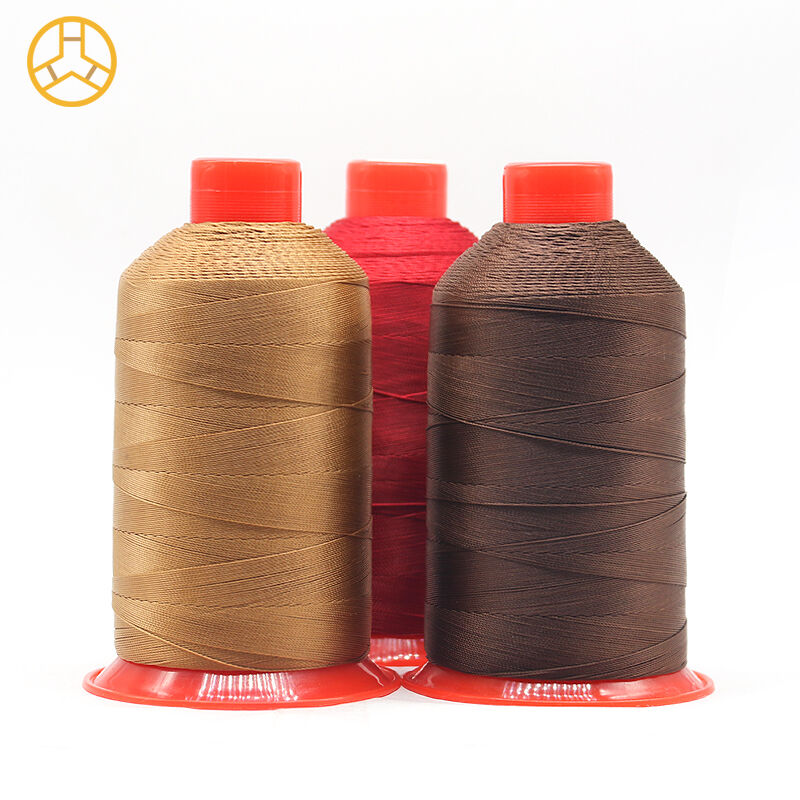
In an era when sustainable fashion is no longer a trend but a business imperative, the materials brands choose to build their garments directly reflect their environmental values. Among the foundational components of any sewn product, cotton thread has endured decades of industrial evolution to remain the preferred choice for eco-conscious apparel manufacturers. Its appeal is not rooted in nostalgia — it is grounded in measurable environmental, functional, and commercial advantages that synthetic alternatives simply cannot replicate in the same way.
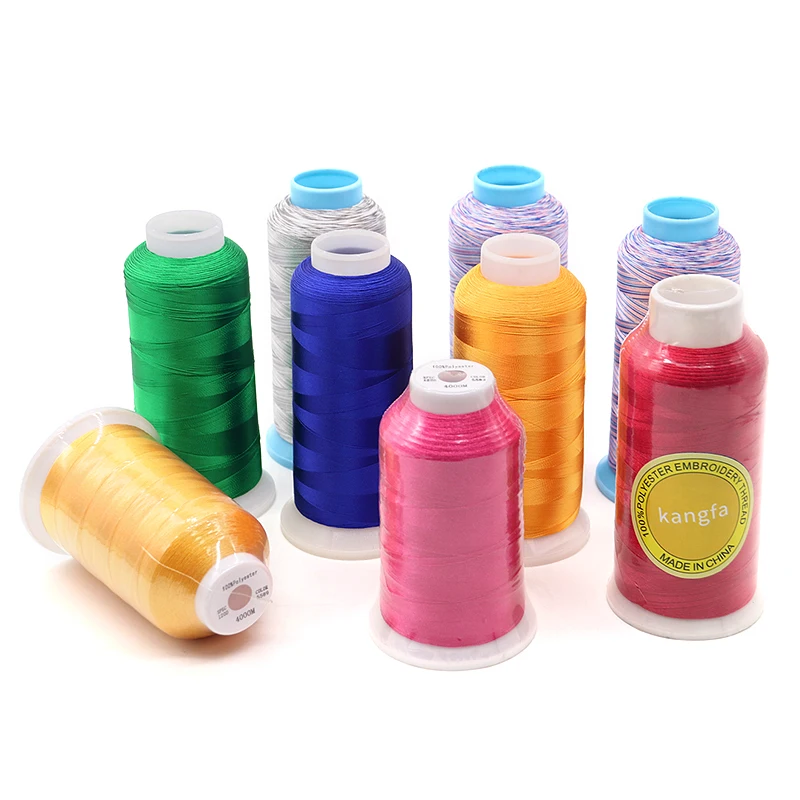
From seed to spool, cotton thread carries a story of biodegradability, low chemical dependency, and compatibility with the human body that positions it as one of the most responsible sewing materials available today. As global apparel brands face increasing scrutiny from regulators, consumers, and supply chain auditors alike, understanding why cotton thread continues to lead in the eco-friendly segment is critical for any sourcing or product development professional who wants to make informed, defensible material decisions.
The Environmental Case for Cotton Thread in Sustainable Apparel
Biodegradability as a Core Sustainability Advantage
One of the most compelling reasons cotton thread dominates eco-friendly apparel production is its inherent biodegradability. Unlike polyester or nylon-based threads, cotton is a plant-based fiber that decomposes naturally under soil and composting conditions. When a garment reaches the end of its lifecycle, cotton components break down without releasing persistent microplastic particles into the environment — a growing concern that has prompted regulatory action in several major markets.
For brands pursuing circular fashion models, the ability to offer a product that returns cleanly to the earth is a significant differentiator. Cotton thread allows garment construction to align with the product's broader sustainability promise. When the thread holding a garment together is itself biodegradable, the entire product lifecycle becomes more coherent and easier to communicate to environmentally aware consumers.
This biodegradability also simplifies end-of-life processing for textile recyclers. Sorting and processing mixed-fiber garments is notoriously difficult. Garments constructed with cotton thread on cotton or natural-fiber fabrics present fewer contamination challenges in recycling streams, making them more attractive to industrial composters and fiber recovery programs alike.
Lower Ecological Footprint Compared to Synthetic Alternatives
While no textile fiber is without environmental impact, cotton thread sourced from responsibly managed farms — particularly those certified to organic or Better Cotton Initiative standards — carries a significantly lower chemical footprint than synthetic thread alternatives. Petroleum-based threads require energy-intensive petrochemical processes to manufacture, processes that emit greenhouse gases and depend on non-renewable resources.
In contrast, cotton thread production, when managed responsibly, integrates into agricultural cycles that can support soil health, biodiversity, and water management improvements over time. Certified organic cotton thread eliminates synthetic pesticide and fertilizer use from the growing stage altogether, reducing chemical runoff into local water systems — an issue of growing regulatory importance in textile-sourcing regions across South Asia and Sub-Saharan Africa.
Sourcing professionals who evaluate raw material inputs on lifecycle assessment metrics consistently find that cotton thread offers competitive scores in categories like biodegradation rate, aquatic toxicity potential, and end-of-life recyclability. These are increasingly becoming standard evaluation criteria in major brand procurement frameworks.
Functional Performance That Supports Eco-Friendly Garment Construction
Natural Breathability and Skin-Safe Composition
Cotton thread brings more than environmental credentials to the table — it also delivers functional properties that serve both the garment and the wearer. Cotton's natural breathability means that stitched seams in cotton-threaded garments do not create localized heat retention or skin irritation the way some synthetic thread materials can. For activewear, childrenswear, and medical-adjacent apparel categories, this distinction is commercially meaningful.
Skin-safe performance is increasingly tested and certified by bodies such as OEKO-TEX, whose standard evaluates harmful substance limits in both fabric and thread components. Cotton thread that meets OEKO-TEX Standard 100 criteria offers brands a certifiable pathway to position their products as safe for sensitive skin — a selling point that resonates strongly in baby apparel, underwear, and allergy-aware consumer segments.
The natural softness of cotton thread also reduces the risk of abrasion or irritation at seam points, which is a known quality complaint in garments using coarser synthetic threads. For brands competing on comfort as well as sustainability, choosing cotton thread delivers dual value in a single material decision.
Compatibility with Natural and Sustainable Fabric Systems
Eco-friendly apparel rarely relies on a single material decision in isolation. Brands building sustainable collections often choose base fabrics such as organic cotton, linen, hemp, Tencel, or bamboo-derived fibers. In these cases, the choice of cotton thread becomes especially logical because it matches the fiber type and behavior of the base fabric across thermal cycling, washing, and wear conditions.
When fabrics and threads share similar natural fiber compositions, they expand and contract at compatible rates, reducing seam stress and improving long-term garment durability. A garment that lasts longer inherently produces less waste over time — a principle that underpins the slow fashion movement. Using cotton thread in construction directly supports this durability argument and reinforces the brand narrative around responsible, long-lasting products.
Additionally, dyeing cotton thread with low-impact or natural dye systems is more technically feasible than applying equivalent dyeing processes to many synthetic alternatives. This opens the door to more holistic chemical management across the entire production chain, which is a key requirement for brands seeking holistic supply chain certifications.
Consumer Demand and Market Trends Driving Cotton Thread Preference
Growing Buyer Awareness of Thread-Level Material Choices
Until recently, thread was largely invisible to the end consumer. That is changing. As sustainability transparency becomes a brand expectation rather than a brand option, more apparel companies are disclosing material composition at every level — including stitching and embellishment threads. Consumer research across multiple markets consistently shows that environmentally aware buyers respond positively to brands that articulate full-product material accountability.
This shift is creating commercial pull for cotton thread even among brands that might otherwise default to a convenient synthetic option. By communicating the use of natural, biodegradable cotton thread in product descriptions and care labels, brands can create differentiation that goes beyond the base fabric — a level of detail that builds trust with knowledgeable eco-consumers who research purchases carefully.
Retail buyers at major eco-focused chains and platforms are also beginning to ask thread-specific questions during their product vetting processes. Brands that can answer these questions with documented material certification data — including evidence that their cotton thread meets recognized sustainability standards — are finding it easier to secure placements in preferred distribution channels.
Regulatory Tailwinds Favoring Natural Fiber Thread Use
Regulatory momentum is accelerating in several key markets in ways that favor cotton thread over synthetic alternatives. The European Union's Ecodesign for Sustainable Products Regulation, along with national-level extended producer responsibility schemes, is creating structural pressure for brands to reduce microplastic-generating components throughout their product designs. Synthetic threads, including polyester, are among the components that release microplastic particles during washing — a process that regulators are increasingly targeting.
By using cotton thread, brands proactively reduce their exposure to this regulatory risk. Garments constructed with natural fibers at every level, including thread, are better positioned to meet upcoming microplastic-related labeling, filtration, or design requirements without costly reformulation. Forward-thinking sourcing teams are already making this shift to stay ahead of compliance curves rather than scrambling to react once new rules take effect.
Certification bodies that underpin the eco-friendly apparel market — including GOTS (Global Organic Textile Standard) and OEKO-TEX — also impose requirements on all components used in certified garments, including thread. For a garment to carry GOTS certification, the cotton thread used in its construction must also meet organic and processing standards. This creates a systemic, certification-driven demand for compliant cotton thread within the responsible apparel supply chain.
Sourcing and Production Considerations for Cotton Thread in Eco-Friendly Manufacturing
Evaluating Thread Quality Alongside Environmental Credentials
Sourcing cotton thread for eco-friendly apparel production is not simply about choosing any cotton option — quality and certification must be evaluated together. Thread tensile strength, twist consistency, and colorfastness are production-critical parameters that affect seam integrity across washing cycles and physical stress. An eco-friendly thread that fails prematurely creates waste and undermines the very sustainability case it was chosen to support.
Responsible sourcing professionals look for cotton thread suppliers who can provide both performance data and third-party certification documentation. OEKO-TEX Standard 100 certified thread, for instance, gives production teams confidence that the material has been tested against a comprehensive list of harmful substances and meets human-ecological requirements. Suppliers who maintain this certification demonstrate a level of process discipline that typically correlates with consistent product quality.
For brands that use embroidery in their eco-friendly lines — a common application in premium sustainable fashion — cotton thread certified to recognized eco-standards provides the foundational material integrity needed to maintain the garment's holistic sustainability profile while delivering decorative performance that meets design team expectations.
Balancing Cost, Supply Chain Transparency, and Eco Commitments
Cotton thread sourced to eco-certified standards does carry a cost premium compared to standard commodity threads. This is a commercial reality that production teams and brand managers must plan for explicitly. However, framing this premium purely as a cost is a strategic error. The value generated through certification compatibility, consumer communication potential, retail channel access, and regulatory future-proofing consistently offsets and often exceeds the incremental thread cost in commercial terms.
Supply chain transparency is an equally important dimension of this sourcing decision. Brands that can trace their cotton thread back to origin — understanding which farms, ginning facilities, and spinning mills contributed to the final product — are in a much stronger position to make credible sustainability claims. This traceability is increasingly demanded by investors, retail partners, and NGO watchdogs who monitor brand environmental claims for accuracy.
Working with suppliers who invest in supply chain documentation, third-party audits, and ongoing certification maintenance is the most reliable way to ensure that the cotton thread entering a production line genuinely delivers on the environmental promises being made to the market. Due diligence at the thread level is now part of responsible brand governance in the eco-apparel space.
FAQ
Is cotton thread always more eco-friendly than polyester thread?
In most scenarios evaluated by lifecycle assessment frameworks, cotton thread — especially when organically sourced and responsibly processed — presents a lower environmental burden than polyester thread due to its biodegradability, renewable agricultural origin, and lower microplastic contribution. However, the complete picture depends on the specific sourcing and production standards applied to the cotton, which is why third-party certification is a meaningful indicator of genuine eco-performance rather than marketing language alone.
Can cotton thread meet the tensile strength requirements of modern garment production?
High-quality cotton thread is engineered to meet demanding performance standards across a wide range of apparel applications. Modern spinning and finishing technologies allow cotton thread manufacturers to produce products with consistent tensile strength, elongation properties, and colorfastness that are competitive with synthetic alternatives in most standard sewing applications. Selecting the appropriate thread count and construction type for the specific end-use is essential to achieving reliable seam performance.
What certifications should buyers look for when sourcing eco-friendly cotton thread?
The most recognized certifications for eco-friendly cotton thread include OEKO-TEX Standard 100, which validates harmful substance limits, and GOTS (Global Organic Textile Standard), which governs both organic fiber content and responsible processing throughout the supply chain. Buyers building certified eco-friendly product lines should prioritize thread suppliers who hold and maintain these certifications, as they provide the documentation needed to support the garment's overall certification status.
How does cotton thread support a brand's circular fashion goals?
Cotton thread contributes to circular fashion goals primarily through its biodegradability and compatibility with textile recycling streams. Garments constructed with natural fiber threads create fewer contamination issues during mechanical and chemical recycling processes, and they compost more cleanly at end of life. Brands committed to take-back programs, closed-loop production, or zero-landfill targets benefit from using cotton thread as part of a consistent natural-fiber material strategy across all garment components.
Table of Contents
- The Environmental Case for Cotton Thread in Sustainable Apparel
- Functional Performance That Supports Eco-Friendly Garment Construction
- Consumer Demand and Market Trends Driving Cotton Thread Preference
- Sourcing and Production Considerations for Cotton Thread in Eco-Friendly Manufacturing
-
FAQ
- Is cotton thread always more eco-friendly than polyester thread?
- Can cotton thread meet the tensile strength requirements of modern garment production?
- What certifications should buyers look for when sourcing eco-friendly cotton thread?
- How does cotton thread support a brand's circular fashion goals?