 EN
EN

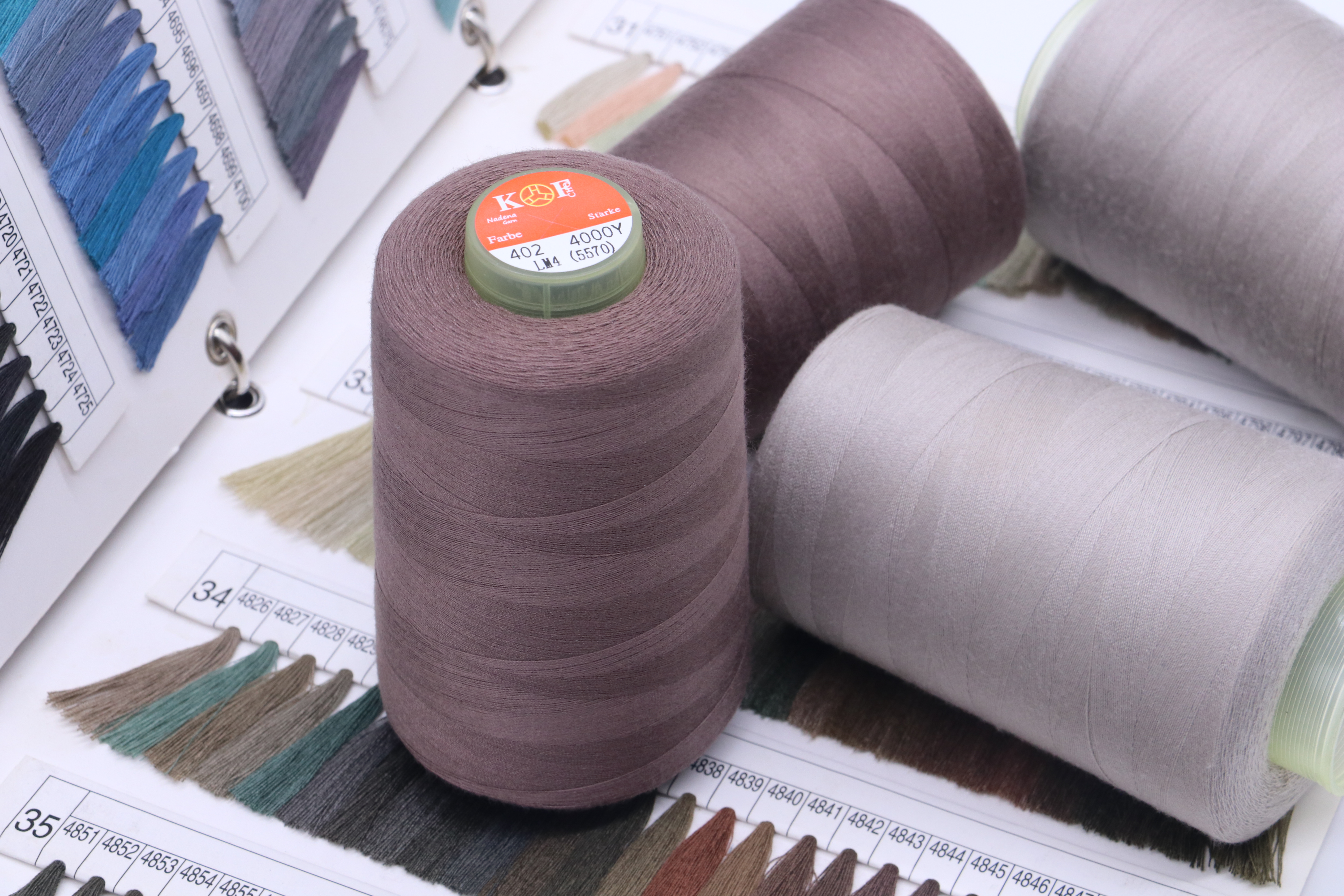
In the world of commercial and industrial embroidery, the choice of thread is one of the most consequential decisions a production facility can make. Rayon thread has long held a distinguished place in the industry, valued for its silk-like sheen, vivid color saturation, and consistently smooth texture. But beyond aesthetics, its performance under the demanding conditions of high-speed automated embroidery machines is what truly sets it apart. Understanding why rayon thread excels in automated production environments requires a closer look at its material properties, mechanical behavior, and the operational advantages it delivers at scale.
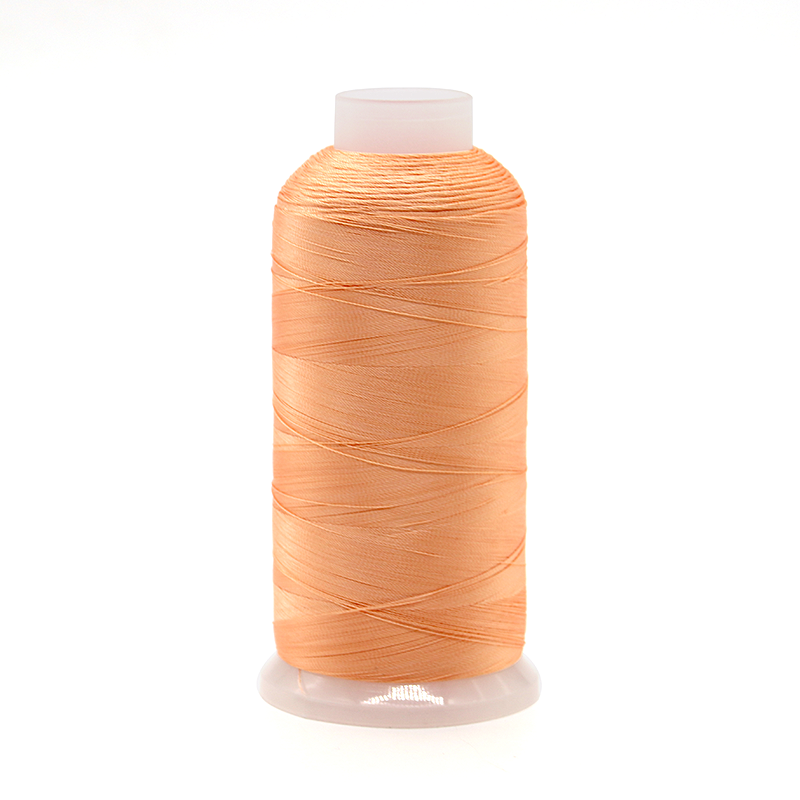
High-speed embroidery machines operate at stitch rates that would challenge even premium threads, generating friction, tension, and heat during every cycle. Rayon thread is uniquely engineered to withstand these stresses without compromising output quality. For embroidery businesses seeking to maximize throughput while maintaining embroidery clarity and finish quality, rayon thread represents an investment that pays dividends across every production run. This article explores the full spectrum of benefits that rayon thread brings to automated, high-speed embroidery environments.
The Material Composition Behind Rayon Thread Performance
Understanding the Fiber Structure of Rayon
Rayon thread is derived from cellulose, typically sourced from wood pulp or bamboo, and processed into smooth, continuous filaments. This manufacturing process creates a fiber with a highly uniform diameter and a naturally silky surface. The consistency in filament diameter is critical in automated embroidery settings because it allows the thread to pass through needle eyes and tension guides with minimal resistance and friction.
The smooth surface of rayon thread reduces micro-abrasion against machine components, which in turn lowers the likelihood of fraying, thread breaks, and needle wear. In high-speed machines running at 800 to 1,200 stitches per minute or more, even minor surface irregularities in a thread can multiply into significant production disruptions. Rayon thread's fiber structure inherently minimizes these risks, making it a dependable choice for continuous, automated runs.
Furthermore, the cellulose base of rayon thread gives it a natural affinity for dyes. This means colors bond deeply and evenly to the fiber, resulting in the intense color payoff that embroidery professionals consistently cite as one of rayon thread's most valued characteristics. Whether the design calls for subtle gradients or vivid contrast, rayon thread delivers color fidelity that holds up through production and over time.
How Rayon Thread Differs From Other Embroidery Thread Types
To appreciate the specific benefits of rayon thread in automated settings, it helps to understand how it compares structurally to alternatives such as polyester or cotton thread. Polyester thread is generally stronger and more resistant to UV light and moisture, but it lacks the natural sheen and drape that rayon thread provides. Cotton thread, while natural and soft, has a matte finish and tends to be more prone to lint and breakage under high-speed mechanical stress.
Rayon thread occupies a unique middle ground — it combines the visual elegance associated with silk-like fibers with the manageability needed for automated machine operation. Its tensile strength is calibrated well for standard embroidery applications, and its relatively low elasticity ensures that stitches form cleanly and consistently without the looping or skipping issues that can plague threads with excessive stretch.
This combination of properties means that rayon thread is not just a visually appealing option — it is a mechanically sound choice for production environments where thread performance directly impacts output volume and quality consistency.
How Rayon Thread Supports High-Speed Machine Operation
Friction Resistance and Needle Heat Management
One of the most important operational considerations in high-speed automated embroidery is heat generated by needle friction. As the needle penetrates fabric thousands of times per hour, it creates localized heat that can weaken or melt certain thread types. Rayon thread, with its smooth cellulose-based filaments, exhibits lower friction coefficients than many synthetic alternatives, which helps reduce heat generation at the needle point.
Lower friction also means that rayon thread places less mechanical stress on the needle itself, reducing deflection and improving stitch placement accuracy. In precision embroidery work — where fine details, small lettering, or dense fills are required — this level of mechanical consistency is essential. Machines can maintain their programmed stitch paths more reliably when the thread feeds smoothly and predictably.
Additionally, rayon thread tends to generate less lint than cotton-based alternatives. Lint accumulation inside high-speed machines is a known cause of jams, misfires, and unplanned maintenance stops. By minimizing lint production, rayon thread contributes to longer uninterrupted run times, which is a direct operational benefit for any facility running automated embroidery at scale.
Tension Stability Across Long Production Runs
Thread tension management is one of the most delicate aspects of automated embroidery setup. When tension is inconsistent — whether due to thread diameter variation, surface roughness, or elasticity fluctuations — the result is uneven stitch formation, puckering, or gaps in the design. Rayon thread's highly uniform construction ensures that tension remains stable across thousands of stitches, even on runs that last for hours without operator intervention.
This tension stability is particularly valuable in multi-head automated machines, where a single spool of rayon thread may need to feed through multiple needle paths simultaneously. Any inconsistency in the thread itself would amplify across all heads, creating quality defects at scale. The uniformity of rayon thread prevents this kind of cascade failure, enabling reliable multi-head operation without constant manual adjustment.
Production facilities that have switched to rayon thread for their automated runs often report a measurable reduction in tension-related stoppages. When machines run longer without interruption, total output per shift increases and per-unit labor costs decrease — a practical, bottom-line benefit that goes well beyond aesthetics.
Aesthetic and Quality Output Advantages
Luster and Visual Quality of Finished Embroidery
From a finished product perspective, rayon thread consistently delivers a premium visual quality that resonates with end customers across fashion, sportswear, promotional goods, and home textiles. The inherent luster of rayon thread gives embroidery designs a depth and brilliance that matte threads simply cannot achieve. Light interacts with the smooth filament surfaces to create a subtle sheen that elevates the perceived value of embroidered products.
This aesthetic quality is not merely cosmetic — it is a competitive differentiator for embroidery businesses. Products finished with rayon thread command stronger retail positioning and customer preference. For brands that rely on embroidery to communicate quality and identity, the visual output of rayon thread aligns directly with premium brand expectations.
The color range available in rayon thread is also exceptionally broad. Manufacturers produce rayon thread in hundreds of standardized colors with consistent dye lots, making it straightforward to match brand colors, Pantone references, or customer specifications across large production volumes. This level of color management reliability is essential in B2B embroidery fulfillment, where consistency between batches is a contractual requirement.
Design Clarity in Dense and Complex Patterns
High-speed automated machines are often used to produce complex, high-density embroidery designs with intricate detail. In these applications, thread behavior during stitch formation has a direct impact on how clearly fine design elements are rendered. Rayon thread's smooth surface and low-elasticity profile allow it to pack tightly into dense fill areas without creating bulk, ensuring that even complex patterns reproduce cleanly.
For small text embroidery — a technically demanding application where letter clarity depends on precise needle placement and clean thread lay — rayon thread performs exceptionally well. Its manageable weight and consistent diameter allow the machine to complete tight radius turns and fine column stitches without the thread bunching or pulling unevenly. The result is legible, sharp lettering that maintains brand standards.
When working with rayon thread in automated production, designers and operators also benefit from the thread's ability to lay flat after stitching, reducing the need for post-production finishing. This contributes to faster cycle times and a cleaner overall workflow across the production line.
Practical Operational Benefits for Embroidery Production Facilities
Reduced Downtime and Maintenance Demands
For any embroidery production facility, unplanned downtime is a significant cost driver. Thread breaks, needle jams, and tension failures all interrupt production flow and require operator attention to diagnose and correct. The mechanical properties of rayon thread — its smooth surface, uniform diameter, and low lint generation — collectively reduce the frequency of these interruptions.
Facilities that operate multiple high-speed machines simultaneously benefit especially from rayon thread's reliability. When thread performance is consistent and predictable, machine operators can supervise more heads simultaneously, confident that intervention will be rarely needed. This operational efficiency directly reduces labor requirements per unit of output, improving overall facility economics.
Maintenance intervals for machine components such as tension discs, thread guides, and needle plates are also extended when rayon thread is used consistently. The reduced abrasion from smooth rayon filaments means that these precision components wear more slowly, lowering replacement frequency and associated maintenance costs. Over the course of a year of high-volume production, these savings accumulate significantly.
Cost Efficiency Across Volume Production
Rayon thread is generally positioned at a cost point that makes it attractive for volume embroidery production. Compared to specialty threads or premium alternatives, rayon thread delivers high aesthetic and mechanical performance at a price per meter that supports healthy production margins. This balance of performance and cost is a key reason why rayon thread remains the dominant choice in commercial embroidery worldwide.
The availability of rayon thread in large cone formats further supports volume production economics. Large cones reduce the frequency of spool changes during automated runs, minimizing human intervention and sustaining machine uptime. For facilities running 24-hour production cycles, the ability to use large-format rayon thread cones without performance degradation toward the end of the spool is a meaningful operational advantage.
When total cost of ownership is evaluated — factoring in thread cost, downtime costs, defect rates, and maintenance expenses — rayon thread consistently demonstrates strong value for high-speed automated embroidery applications. Its contributions extend well beyond the cost per cone to influence the entire production economics of an embroidery operation.
FAQ
Is rayon thread suitable for all types of high-speed embroidery machines?
Rayon thread is compatible with the vast majority of commercial high-speed embroidery machines, including multi-head and single-head automated systems. Its consistent diameter, smooth surface, and manageable tension characteristics make it a versatile choice for standard and advanced machine configurations. It is important to calibrate machine tension settings appropriately when transitioning to rayon thread from other thread types to ensure optimal stitch formation.
How does rayon thread handle high-temperature environments during production?
Rayon thread performs well under the heat generated by high-speed needle operation when machines are properly calibrated. Its cellulose-based composition is less susceptible to heat-related melting compared to some synthetic threads, but it is not completely heat-proof. Using appropriate needle sizes, maintaining clean machine components, and running machines within recommended stitch speed ranges will help preserve rayon thread integrity during extended production runs.
Can rayon thread be used for embroidery on stretch or performance fabrics?
Rayon thread can be used on stretch and performance fabrics, though careful attention to backing material and machine tension settings is required. Because rayon thread has relatively low elasticity compared to stretch fabrics, proper stabilization of the base material is essential to prevent design distortion or thread stress after stitching. When paired with appropriate cut-away or tear-away stabilizers, rayon thread delivers excellent results even on technical and performance fabric substrates.
What makes rayon thread the preferred choice for decorative and branded embroidery applications?
The preference for rayon thread in decorative and branded embroidery comes down to its unique combination of visual brilliance and production reliability. Its silk-like luster and wide color availability allow brands to reproduce their visual identity with precision and consistency. At the same time, its mechanical properties support the high-speed automated production volumes that commercial embroidery facilities require to fulfill large orders on schedule. Few other thread types deliver this balance as effectively as rayon thread.
Table of Contents
- The Material Composition Behind Rayon Thread Performance
- How Rayon Thread Supports High-Speed Machine Operation
- Aesthetic and Quality Output Advantages
- Practical Operational Benefits for Embroidery Production Facilities
-
FAQ
- Is rayon thread suitable for all types of high-speed embroidery machines?
- How does rayon thread handle high-temperature environments during production?
- Can rayon thread be used for embroidery on stretch or performance fabrics?
- What makes rayon thread the preferred choice for decorative and branded embroidery applications?