 EN
EN

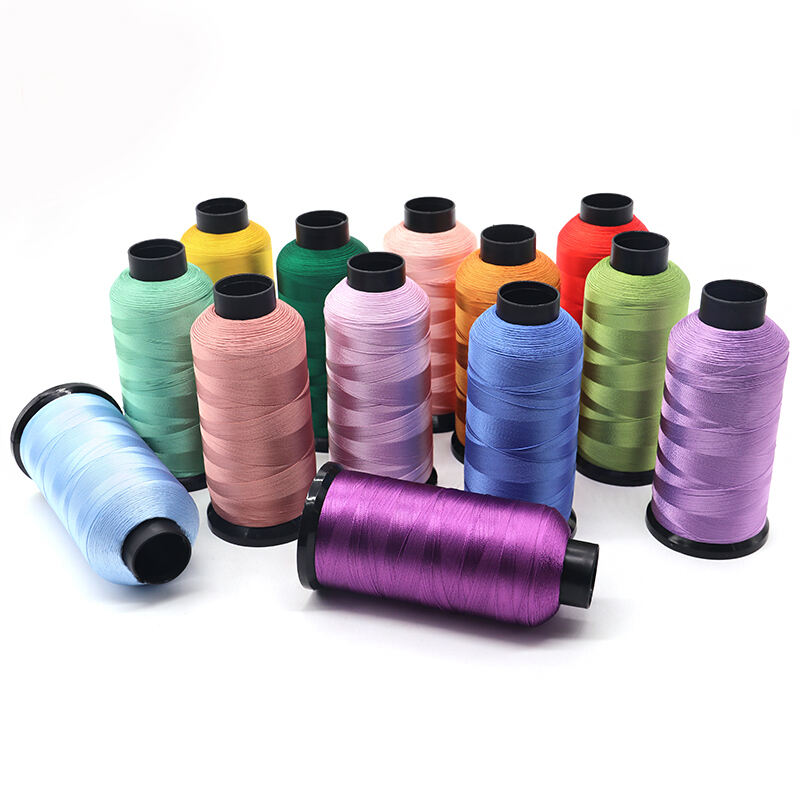
Polyester yarn has become one of the most widely used synthetic fibers in textile manufacturing, largely due to its exceptional ability to handle challenging environmental conditions. Understanding how this versatile material responds to moisture and heat is crucial for manufacturers, designers, and consumers who rely on polyester-based products for durability and performance. The unique molecular structure of polyester yarn gives it distinct advantages when exposed to varying temperatures and humidity levels, making it an ideal choice for numerous applications across industries.
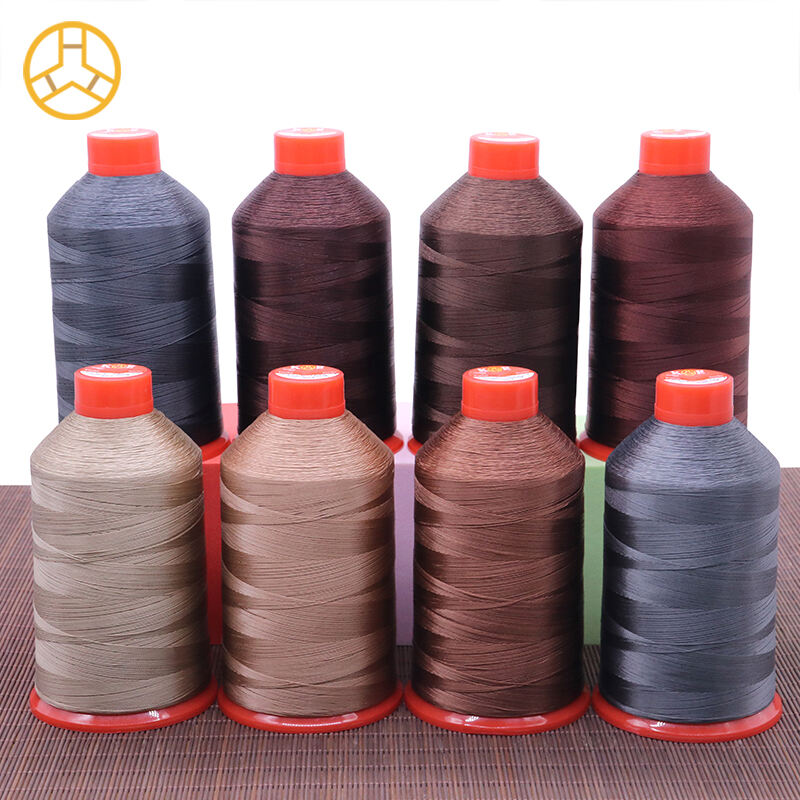
Understanding Polyester Yarn Composition and Structure
Chemical Foundation of Polyester Fibers
The remarkable performance characteristics of polyester yarn stem from its synthetic polymer composition, primarily consisting of polyethylene terephthalate (PET). This long-chain polymer structure creates strong intermolecular forces that contribute to the fiber's stability under various environmental conditions. The crystalline regions within the polymer matrix provide structural integrity, while the amorphous areas allow for some flexibility and processing versatility.
Manufacturing processes for polyester yarn involve melt spinning, where the polymer is heated to its melting point and extruded through spinnerets to form continuous filaments. This process creates a uniform molecular orientation that directly impacts how the finished yarn responds to external factors like heat and moisture. The degree of crystallinity achieved during production significantly influences the yarn's thermal properties and moisture absorption characteristics.
Physical Properties That Influence Performance
The physical structure of polyester yarn includes both crystalline and amorphous regions, with the crystalline areas providing dimensional stability and strength. These regions resist swelling when exposed to moisture, contributing to the yarn's low water absorption properties. The amorphous regions, while less structured, still maintain sufficient cohesion to prevent significant deformation under normal operating conditions.
Surface characteristics of polyester yarn also play a crucial role in its interaction with environmental factors. The smooth surface of individual filaments reduces moisture retention and facilitates quick drying, while the fiber's inherent hydrophobic nature repels water molecules. This combination of structural and surface properties creates a material that maintains its integrity across a wide range of temperature and humidity conditions.
Moisture Management Capabilities
Hydrophobic Nature and Water Resistance
One of the most significant advantages of polyester yarn lies in its hydrophobic characteristics, which make it naturally resistant to water absorption. The polymer chains that comprise the fiber structure contain relatively few polar groups, reducing the yarn's affinity for water molecules. This property translates to exceptional performance in humid environments where natural fibers might absorb significant amounts of moisture and lose their dimensional stability.
The moisture regain of polyester yarn typically ranges between 0.2% to 0.8% at standard atmospheric conditions, which is considerably lower than natural fibers like cotton or wool. This low moisture absorption ensures that polyester-based products maintain their shape, strength, and appearance even when exposed to high humidity levels or direct contact with water.
Quick-Drying Properties and Applications
The combination of low moisture absorption and smooth fiber surface enables polyester yarn to dry rapidly when wet. Water molecules do not penetrate deeply into the fiber structure, instead remaining primarily on the surface where they can easily evaporate. This quick-drying characteristic makes polyester yarn particularly valuable for athletic wear, outdoor gear, and industrial applications where moisture management is critical.
In textile applications, the moisture management properties of polyester yarn contribute to improved comfort and performance. Fabrics made from this material can wick moisture away from the skin and transport it to the fabric surface where it evaporates quickly. This moisture transport mechanism helps maintain a dry microclimate against the body, making polyester yarn an excellent choice for activewear and performance textiles.
Thermal Stability and Heat Resistance
Temperature Tolerance Range
Polyester yarn demonstrates remarkable thermal stability across a wide temperature range, maintaining its structural integrity and performance characteristics under conditions that would compromise many other fiber types. The melting point of polyester typically falls between 250°C to 260°C (482°F to 500°F), providing a substantial safety margin for most textile applications and processing operations.
At elevated temperatures below the melting point, polyester yarn exhibits minimal dimensional changes and retains its tensile strength effectively. This thermal stability makes it suitable for applications involving heat exposure, such as automotive textiles, industrial filtration, and protective clothing. The yarn's ability to maintain its properties under thermal stress contributes to the longevity and reliability of finished products.
Heat Processing Advantages
The thermal properties of polyester yarn provide significant advantages during manufacturing and finishing processes. Heat-setting treatments can be applied to polyester fabrics to establish permanent shapes, pleats, or textures that remain stable throughout the product's lifespan. This thermoplastic behavior allows manufacturers to create complex textile structures and patterns that would be difficult or impossible to achieve with natural fibers.
Processing temperatures for polyester yarn can be precisely controlled to achieve desired characteristics without compromising fiber integrity. Dyeing operations, heat-setting procedures, and finishing treatments can all be optimized to take advantage of the yarn's predictable thermal response. This controllability contributes to consistent product quality and enables efficient manufacturing processes across various textile applications.
Industrial Applications and Performance Benefits
Automotive and Transportation Industries
The automotive industry extensively utilizes polyester yarn for interior components, seat fabrics, and technical textiles due to its superior performance under varying temperature and humidity conditions. Vehicle interiors experience significant temperature fluctuations and occasional moisture exposure, making the stability of polyester yarn particularly valuable. Components made from this material maintain their appearance and functionality throughout the vehicle's operational life.
In transportation applications, polyester yarn's resistance to heat degradation and moisture absorption contributes to improved safety and durability. Airbag fabrics, seat belt webbing, and interior trim materials benefit from the yarn's consistent performance characteristics. The material's ability to withstand thermal cycling without significant property changes ensures reliable performance in critical safety applications.
Construction and Geotextile Applications
Construction industry applications leverage the environmental stability of polyester yarn in geotextiles, reinforcement fabrics, and building materials. These applications often involve exposure to varying weather conditions, ground moisture, and temperature extremes. The yarn's resistance to moisture absorption prevents degradation from freeze-thaw cycles and maintains structural integrity in challenging environments.
Geotextile applications particularly benefit from polyester yarn's dimensional stability and resistance to biological degradation. The material maintains its filtration and separation properties even when saturated with groundwater or exposed to soil chemicals. This reliability makes polyester-based geotextiles a preferred choice for infrastructure projects requiring long-term performance under adverse conditions.
Comparison with Natural Fibers
Performance Under Humid Conditions
When comparing polyester yarn to natural fibers like cotton, wool, or linen under humid conditions, the synthetic material demonstrates superior dimensional stability and faster recovery times. Natural fibers tend to absorb significantly more moisture, leading to swelling, shrinkage, and potential degradation over time. Cotton, for example, can absorb up to 25% of its weight in moisture, while polyester yarn absorbs less than 1%.
This difference in moisture behavior directly impacts the performance and maintenance requirements of textile products. Garments and fabrics made from polyester yarn retain their shape and appearance in humid climates, while natural fiber products may require special care or treatment to prevent dimensional changes. The consistency of polyester yarn performance across varying humidity levels provides predictable results for manufacturers and end users.
Thermal Performance Comparison
Natural fibers generally have lower heat tolerance compared to polyester yarn, with many beginning to degrade or change properties at temperatures well below polyester's threshold. Cotton begins to decompose around 150°C (302°F), while wool can be damaged by temperatures above 100°C (212°F). This difference in thermal stability expands the range of applications where polyester yarn can be successfully employed.
The thermal stability of polyester yarn also extends to its behavior during washing and drying cycles. While natural fibers may shrink or become damaged in hot water or high-temperature drying, polyester-based products maintain their dimensions and properties. This durability reduces maintenance costs and extends product lifespan, providing economic advantages alongside performance benefits.
Care and Maintenance Considerations
Optimal Cleaning Procedures
Proper care of polyester yarn products takes advantage of the material's inherent resistance to heat and moisture while avoiding conditions that might cause damage. Machine washing in warm water is generally safe for polyester fabrics, and the material's quick-drying properties reduce the time required for laundry cycles. The yarn's resistance to shrinkage and color fading makes it suitable for commercial laundry operations.
Drying procedures for polyester yarn products can utilize moderate heat settings without risk of damage, although the material's rapid moisture evaporation often makes high-temperature drying unnecessary. The thermal stability of polyester yarn allows for efficient processing in commercial laundry facilities while maintaining product quality and appearance over multiple cycles.
Storage and Handling Guidelines
Storage conditions for polyester yarn and finished products are less critical than those required for natural fibers, thanks to the material's resistance to moisture absorption and biological degradation. Standard warehouse conditions are typically sufficient to maintain polyester yarn quality over extended periods. The material's stability eliminates concerns about mold, mildew, or insect damage that might affect natural fiber products.
Handling procedures for polyester yarn during manufacturing and processing benefit from the material's durability and consistency. The yarn maintains its properties throughout typical textile processing operations, reducing the risk of quality variations or production issues. This reliability contributes to more efficient manufacturing processes and consistent end product quality.
FAQ
What happens to polyester yarn when exposed to high temperatures?
Polyester yarn maintains its structural integrity and performance characteristics at temperatures up to approximately 150°C (302°F) for extended periods. At higher temperatures approaching its melting point of 250-260°C (482-500°F), the yarn will begin to soften and eventually melt. However, brief exposure to moderately elevated temperatures during normal processing or use typically does not cause permanent damage or property changes.
How does moisture affect the strength and durability of polyester yarn?
Moisture has minimal impact on the strength and durability of polyester yarn due to its hydrophobic nature and low moisture absorption rate. The yarn retains approximately 95% of its dry strength when wet, compared to natural fibers that may lose 20-50% of their strength when saturated. This stability makes polyester yarn reliable for applications involving moisture exposure or high humidity environments.
Can polyester yarn be damaged by repeated heating and cooling cycles?
Polyester yarn demonstrates excellent resistance to thermal cycling within normal operating temperature ranges. Repeated heating and cooling cycles typical of washing, drying, or seasonal temperature variations do not cause significant degradation or property changes. The material's thermal stability and low coefficient of thermal expansion minimize stress from temperature fluctuations, contributing to long-term durability and performance consistency.
Why does polyester yarn dry faster than natural fibers?
The rapid drying characteristic of polyester yarn results from its hydrophobic surface and low moisture absorption capacity. Water molecules remain primarily on the fiber surface rather than penetrating into the material structure, allowing for quick evaporation. Additionally, the smooth surface of polyester filaments provides less surface area for water retention compared to the complex structure of natural fibers, further accelerating the drying process.