 EN
EN

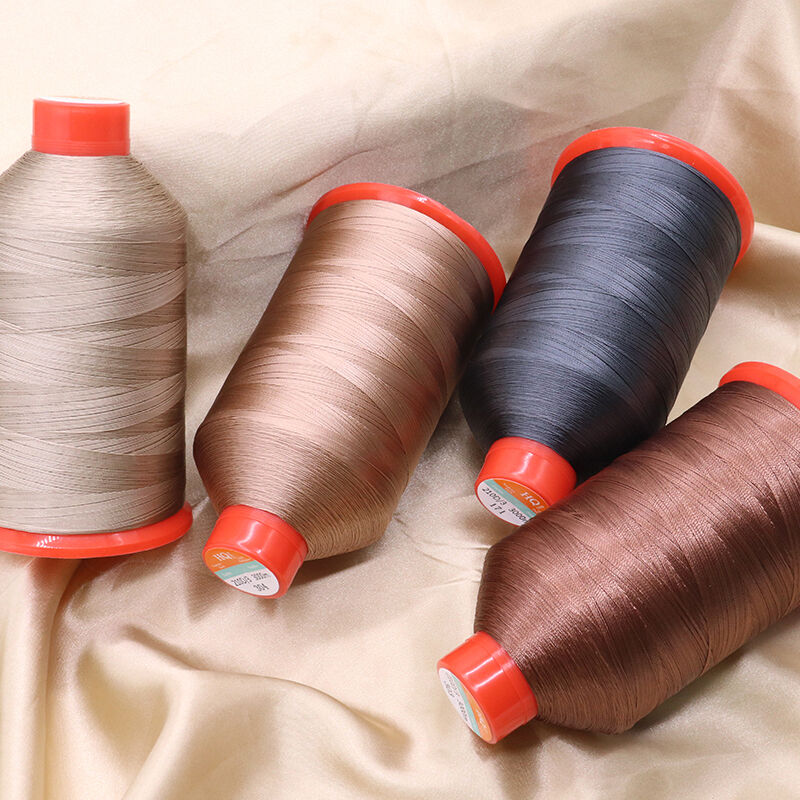
Selecting the appropriate bonded thread for your manufacturing or crafting project requires careful consideration of multiple factors that directly impact the final product's durability, appearance, and performance. Bonded thread represents a specialized category of sewing thread that undergoes a unique bonding process, creating enhanced strength and consistency that makes it ideal for heavy-duty applications. Understanding the characteristics and applications of bonded thread will help you make informed decisions that ensure project success and long-term satisfaction with your finished products.
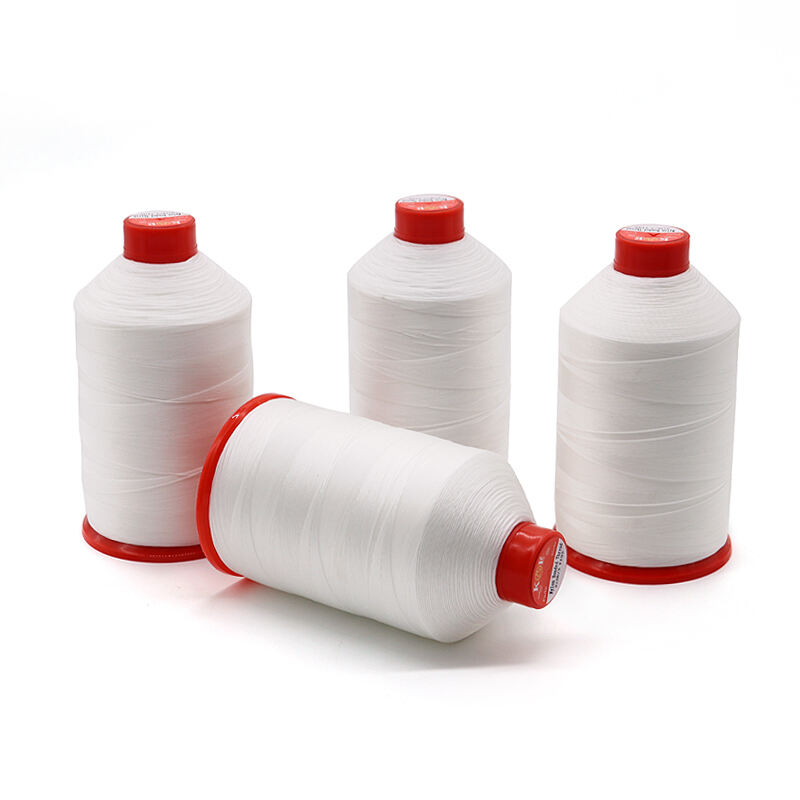
Understanding Bonded Thread Construction
Manufacturing Process and Core Materials
The production of bonded thread involves a sophisticated manufacturing process where continuous filament polyester or nylon fibers are treated with specialized bonding agents. These bonding agents penetrate the fiber structure, creating a unified thread that maintains consistent tension and reduces fraying during high-speed sewing operations. The bonding process also eliminates loose fibers that could cause lint buildup in sewing machines, making bonded thread particularly valuable for automated manufacturing environments.
Quality bonded thread typically utilizes high-tenacity polyester as its base material, offering excellent resistance to UV degradation, chemicals, and abrasion. The bonding treatment creates a smooth surface finish that allows the thread to glide effortlessly through fabric layers, reducing needle heat and extending machine life. This construction methodology results in superior stitch formation and reduces thread breaks that can cause production delays and quality issues.
Strength Characteristics and Performance Benefits
Bonded thread demonstrates exceptional tensile strength compared to conventional cotton or polyester threads, making it suitable for applications requiring high seam integrity. The bonding process creates a thread that maintains consistent diameter throughout its length, ensuring uniform stitch formation and reducing tension variations that can cause puckering or thread breakage. This consistency proves particularly important when working with thick materials or multiple fabric layers.
The enhanced strength characteristics of bonded thread allow for higher sewing speeds without compromising stitch quality. Professional manufacturers often choose bonded thread for its ability to withstand the stress of automated production environments while maintaining thread integrity under high tension conditions. These performance benefits translate directly into improved productivity and reduced manufacturing costs through decreased downtime and rework requirements.
Application-Specific Selection Criteria
Heavy-Duty Industrial Applications
Industrial applications requiring maximum seam strength benefit significantly from the use of bonded thread due to its superior durability and resistance to environmental stressors. Manufacturing sectors such as automotive upholstery, marine canvas, and outdoor gear production rely on bonded thread to create seams that withstand extreme conditions including temperature fluctuations, moisture exposure, and mechanical stress. The thread's resistance to UV degradation makes it particularly suitable for outdoor applications where conventional threads might deteriorate rapidly.
When selecting bonded thread for industrial applications, consider the specific environmental conditions your finished product will encounter. Marine applications require threads with excellent resistance to saltwater corrosion and UV exposure, while automotive applications demand threads that can withstand temperature extremes and chemical exposure from cleaning agents. The bonding process creates threads that maintain their strength and appearance even under these challenging conditions.
Leather and Upholstery Projects
Leather working and upholstery projects present unique challenges that make bonded thread an ideal choice for achieving professional results. The smooth surface created by the bonding process allows the thread to penetrate leather without causing excessive friction that could damage the material or create uneven stitching. Bonded thread also resists the oils and conditioning agents commonly used in leather care, maintaining its appearance and strength over time.
Professional upholsterers prefer bonded thread for its ability to create strong, durable seams that maintain their integrity under the constant stress of furniture use. The thread's resistance to stretching ensures that upholstered pieces maintain their shape and appearance even after years of regular use. When working with thick upholstery materials or multiple layers, bonded thread provides the strength necessary to create secure seams without the bulk associated with heavier conventional threads.
Technical Specifications and Sizing
Thread Weight and Denier Considerations
Understanding thread weight and denier specifications is crucial for selecting the appropriate bonded thread for your specific application. Thread weight typically ranges from lightweight options suitable for delicate materials to heavy-duty weights designed for thick fabrics and demanding applications. The denier measurement indicates the linear density of the thread, with higher denier numbers representing stronger, thicker threads appropriate for heavy-duty applications.
When matching thread weight to your project requirements, consider both the material thickness and the intended use of the finished product. Lightweight bonded threads work well for general sewing applications on medium-weight fabrics, while heavy-weight options provide the strength necessary for outdoor gear, automotive applications, and industrial products. The bonding process allows manufacturers to create threads that offer maximum strength for their weight class, providing excellent performance without unnecessary bulk.
Color Matching and Finish Options
Bonded thread manufacturers offer extensive color ranges to match virtually any fabric or material requirement. The bonding process actually enhances color retention compared to conventional threads, ensuring that your finished products maintain their appearance over time. Professional manufacturers often stock multiple shades of popular colors to ensure perfect color matching for visible seaming applications.
Finish options for bonded thread include standard, matte, and high-gloss variations that can enhance the appearance of your finished product. The bonding process creates a naturally smooth finish that reflects light consistently, but specialized treatments can modify this appearance to match specific design requirements. When working on projects where thread visibility is important, selecting the appropriate finish can significantly impact the overall aesthetic appeal of your finished product.
Machine Compatibility and Setup Requirements
Sewing Machine Adjustments for Optimal Performance
Achieving optimal results with bonded thread requires proper sewing machine setup and adjustment to accommodate the thread's unique characteristics. The smooth surface of bonded thread may require tension adjustments compared to conventional threads, as the reduced friction can affect stitch formation. Most manufacturers recommend starting with slightly reduced tension settings and adjusting based on fabric type and desired stitch appearance.
Needle selection plays a crucial role in bonded thread performance, with sharp needles typically providing the best results for most applications. The reduced friction characteristics of bonded thread allow for the use of smaller needle sizes than might be required with conventional threads of similar strength. This can result in less fabric damage and improved stitch appearance, particularly important when working with delicate or expensive materials.
Thread Path and Feeding Considerations
The thread path through your sewing machine may require optimization when using bonded thread to prevent tension variations and ensure consistent feeding. The bonding process creates a thread that flows smoothly through machine guides, but proper alignment becomes even more critical to prevent uneven tension that could affect stitch quality. Regular cleaning of thread guides and tension discs helps maintain optimal performance when using bonded thread.
Many professional sewers find that bonded thread performs best when stored and used at moderate temperatures, as extreme heat or cold can affect the bonding agents. Proper storage in a clean, dry environment helps maintain thread quality and ensures consistent performance throughout the spool's life. Some manufacturers recommend allowing thread to acclimate to room temperature before use if it has been stored in significantly different conditions.
Quality Assessment and Selection Guidelines
Evaluating Thread Quality and Consistency
Quality bonded thread should demonstrate consistent diameter, smooth surface texture, and uniform color throughout the entire spool length. Professional manufacturers test their bonded thread for tensile strength, elongation properties, and colorfastness to ensure consistent performance across production runs. When evaluating potential suppliers, request samples to test in your specific application before committing to large quantity purchases.
Visual inspection of bonded thread can reveal quality indicators including surface smoothness, color consistency, and freedom from defects such as thick or thin spots. High-quality bonded thread should unwind smoothly from the spool without catching or tangling, indicating proper bonding and winding processes during manufacturing. Consistent thread diameter is particularly important for automated sewing applications where tension variations can cause production problems.
Supplier Qualification and Technical Support
Selecting a qualified bonded thread supplier involves evaluating their technical expertise, quality control processes, and ability to provide consistent product availability. Established suppliers typically maintain detailed technical specifications for their products and can provide guidance on optimal thread selection for specific applications. The availability of technical support becomes particularly important when transitioning from conventional threads or implementing new production processes.
Quality suppliers often provide detailed application guides and machine setup recommendations specific to their bonded thread products. This technical support can significantly reduce the time required to optimize your sewing processes and achieve desired results. Consider suppliers who offer sample programs allowing you to test multiple thread options before making final selections for production applications.
Cost Considerations and Value Analysis
Initial Investment vs Long-Term Benefits
While bonded thread typically costs more per unit than conventional threads, the enhanced performance characteristics often provide significant value through reduced production costs and improved product quality. The superior strength and consistency of bonded thread can reduce thread breaks, machine downtime, and rework requirements, resulting in overall cost savings despite higher material costs.
Long-term value analysis should consider factors beyond initial thread cost, including machine maintenance requirements, production efficiency, and end product durability. Bonded thread's resistance to lint formation can extend machine maintenance intervals, while its consistent performance characteristics can improve production throughput. These operational benefits often offset the higher material costs associated with quality bonded thread.
Volume Purchasing and Inventory Management
Many bonded thread suppliers offer volume pricing incentives that can significantly reduce per-unit costs for manufacturers with consistent usage requirements. However, proper inventory management becomes important to ensure thread quality is maintained throughout storage periods. Bonded thread generally has excellent shelf stability when stored properly, making volume purchasing a viable cost reduction strategy for many applications.
Inventory planning should consider seasonal demand variations and lead times for specialty colors or weights. Some manufacturers maintain safety stock of standard colors while ordering specialty items as needed to balance inventory costs with availability requirements. Working with suppliers who can provide reliable delivery schedules helps optimize inventory levels while ensuring production continuity.
FAQ
What makes bonded thread different from regular sewing thread?
Bonded thread undergoes a special treatment process where bonding agents are applied to continuous filament fibers, creating a stronger, more consistent thread with reduced lint and improved performance characteristics. This bonding process eliminates loose fibers and creates a smooth surface that performs better in high-speed sewing applications compared to conventional spun or textured threads.
Can bonded thread be used with standard home sewing machines?
Yes, bonded thread works well with most home sewing machines, though minor tension adjustments may be necessary to optimize performance. The smooth characteristics of bonded thread actually make it easier for machines to handle, often reducing thread breaks and improving stitch consistency. Start with slightly reduced tension settings and adjust based on your specific fabric and desired results.
How should bonded thread be stored to maintain quality?
Store bonded thread in a clean, dry environment away from direct sunlight and extreme temperatures. The bonding agents can be affected by excessive heat or moisture, so maintaining stable storage conditions helps preserve thread quality throughout its shelf life. Proper storage typically allows bonded thread to maintain its performance characteristics for extended periods.
Is bonded thread suitable for outdoor applications?
Bonded thread, particularly those made from polyester, offers excellent resistance to UV degradation, moisture, and environmental stresses, making it ideal for outdoor applications. The bonding process actually enhances these protective characteristics, providing superior performance compared to conventional threads in marine, automotive, and outdoor gear applications where durability is critical.