 EN
EN

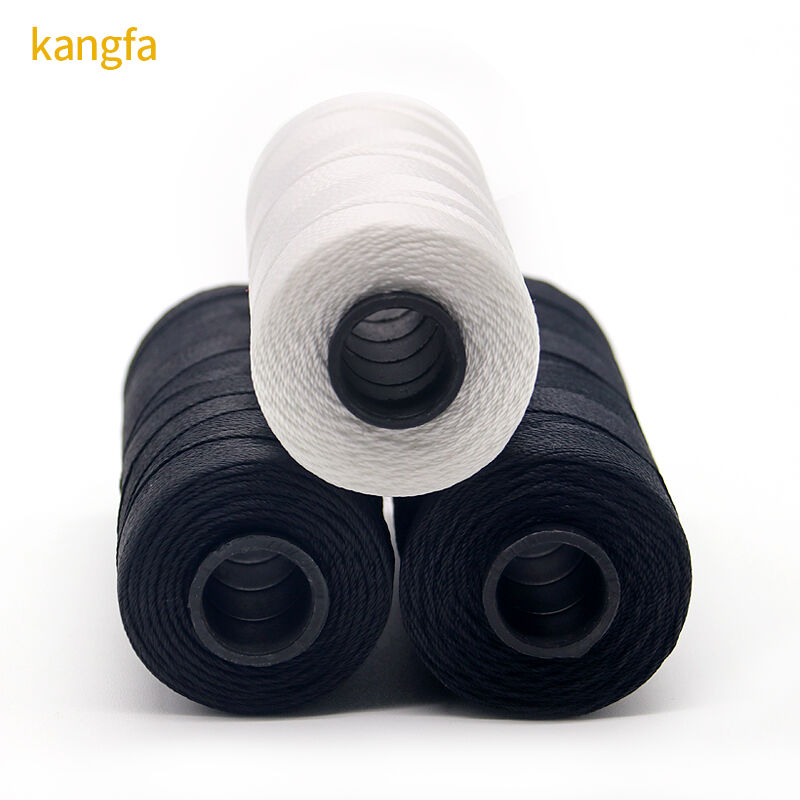
Manufacturing high-strength bonded thread for heavy-duty upholstery requires specialized expertise and advanced production capabilities that only dedicated factories can provide. These manufacturing facilities must maintain precise quality control systems, utilize premium raw materials, and operate sophisticated machinery to produce thread that meets the demanding requirements of automotive seating, commercial furniture, and industrial upholstery applications. The selection of a reliable factory becomes crucial when businesses need consistent supply chains for their upholstery operations.
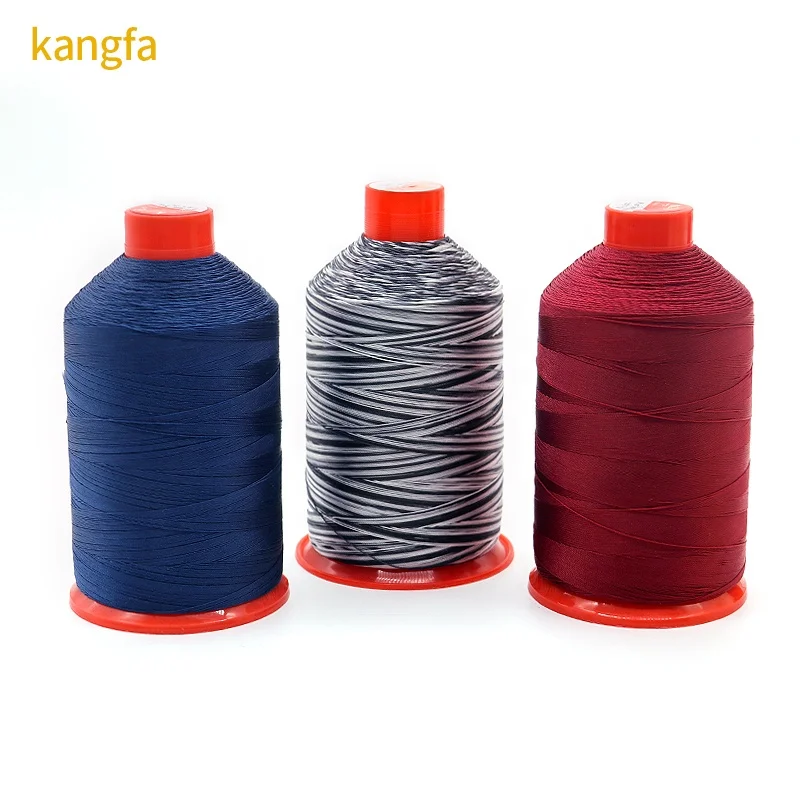
Professional bonded thread factories distinguish themselves through their ability to customize thread specifications, maintain consistent quality across large production runs, and provide technical support throughout the manufacturing process. These facilities typically feature climate-controlled environments, advanced testing laboratories, and experienced quality assurance teams that ensure every spool of thread meets strict industry standards for strength, durability, and performance in heavy-duty applications.
Essential Manufacturing Capabilities for Heavy-Duty Thread Production
Advanced Bonding Technology Systems
Modern bonded thread factories employ sophisticated bonding processes that apply specialized resins or adhesives to core yarns, creating threads with superior strength characteristics. These bonding systems must operate under precisely controlled temperature and tension conditions to ensure uniform coating application across the entire thread length. The bonding process typically involves multiple stages where individual filaments are first treated with bonding agents, then subjected to heat treatment that activates the adhesive properties and creates permanent bonds between fibers.
Quality factories utilize automated bonding equipment that monitors thread tension, coating thickness, and curing temperatures in real-time. This technological approach ensures that every meter of bonded thread maintains consistent strength properties and resistance to abrasion, which proves essential for heavy-duty upholstery applications where threads experience constant stress and friction.
Raw Material Selection and Processing
Professional thread manufacturing facilities source high-grade synthetic fibers, typically nylon or polyester, specifically chosen for their inherent strength and chemical resistance properties. The raw material preparation process involves careful fiber selection, where materials are tested for tensile strength, elongation characteristics, and compatibility with bonding agents. Premium factories maintain relationships with certified fiber suppliers and implement incoming material inspection protocols to ensure consistent quality.
The processing of raw materials involves multiple preparatory steps including fiber cleaning, conditioning, and pre-treatment with specialized chemicals that enhance bonding agent adhesion. Experienced bonded thread factories understand that proper raw material preparation directly impacts final thread performance, particularly in applications requiring resistance to UV exposure, chemical cleaning agents, and mechanical stress.
Quality Control Systems in Professional Thread Manufacturing
Testing Laboratory Capabilities
Established bonded thread factories operate comprehensive testing laboratories equipped with tensile testing machines, abrasion resistance testers, and colorfastness evaluation equipment. These facilities conduct routine testing on every production batch to verify that threads meet specified breaking strength requirements, which typically range from 15 to 45 pounds for heavy-duty upholstery applications. Testing protocols include evaluation of thread elongation properties, shrinkage characteristics, and resistance to environmental factors.
Advanced testing capabilities extend to specialized evaluations such as seam strength analysis, where completed seams are subjected to stress testing that simulates real-world upholstery conditions. Professional factories maintain detailed testing records and provide certificates of compliance that document thread performance characteristics for each production lot.
Production Monitoring and Documentation
Modern bonded thread manufacturing facilities implement comprehensive production monitoring systems that track every aspect of the manufacturing process. These systems record bonding agent application rates, curing temperatures, thread tension settings, and winding speeds to ensure consistent production parameters. Quality assurance personnel conduct regular inspections at predetermined intervals, checking thread uniformity, coating integrity, and dimensional accuracy.
Documentation systems in professional factories maintain traceability records that link finished products to specific raw material lots, production dates, and operator assignments. This level of documentation proves essential when customers require batch tracking for quality control purposes or when investigating performance issues in finished upholstery applications.
Specialized Thread Characteristics for Heavy-Duty Applications
Strength and Durability Requirements
Heavy-duty upholstery applications demand bonded thread with exceptional tensile strength capabilities that exceed standard sewing thread specifications. Professional factories produce threads with breaking strengths ranging from 20 to 50 pounds, depending on the specific application requirements. The bonding process creates threads that resist splitting and fraying under high-stress conditions, making them suitable for automotive seating, commercial furniture, and industrial equipment covers.
Durability characteristics of premium bonded thread include resistance to abrasion from repeated flexing, immunity to degradation from cleaning chemicals, and stability under temperature variations. These properties result from careful selection of bonding agents and precise control of the curing process during manufacturing.
Chemical and Environmental Resistance
Professional thread factories formulate bonded thread products with enhanced resistance to environmental factors commonly encountered in heavy-duty upholstery applications. This includes resistance to UV radiation that prevents thread degradation in automotive interiors, chemical resistance to cleaning solvents used in commercial furniture maintenance, and moisture resistance that prevents mold and mildew growth in humid environments.
Advanced bonded thread formulations incorporate additives that provide antimicrobial properties, flame retardant characteristics, and enhanced colorfastness. These specialized properties require sophisticated manufacturing processes and quality control systems that ensure consistent performance across production batches.
Production Capacity and Customization Capabilities
Scalable Manufacturing Systems
Established bonded thread factories design their production systems to accommodate varying order sizes while maintaining consistent quality standards. These facilities typically operate multiple production lines that can be configured for different thread weights, colors, and special performance requirements. Scalable systems allow factories to efficiently produce both large volume orders for major upholstery manufacturers and smaller specialty runs for custom applications.
Production planning systems in professional factories coordinate raw material procurement, production scheduling, and delivery timelines to ensure reliable supply chain performance. This capability proves particularly important for upholstery manufacturers operating on just-in-time production schedules where thread delivery delays can disrupt entire manufacturing operations.
Custom Thread Development Services
Leading bonded thread manufacturers provide custom development services for specialized upholstery applications that require unique thread characteristics. These services include formulation of custom colors, development of specialized strength profiles, and creation of threads with enhanced performance properties for specific end-use requirements. Custom development typically involves laboratory testing, pilot production runs, and performance validation under actual use conditions.
Technical support services extend to application guidance where factory engineers provide recommendations for needle selection, tension settings, and stitching parameters optimized for specific bonded thread characteristics. This comprehensive support ensures successful implementation of thread products in customer manufacturing processes.
Supply Chain Management and Logistics
Inventory Management Systems
Professional bonded thread factories implement sophisticated inventory management systems that maintain optimal stock levels while minimizing storage costs and ensuring product freshness. These systems track raw material consumption rates, production schedules, and customer delivery requirements to optimize inventory turnover. Climate-controlled storage facilities protect thread products from environmental degradation and maintain consistent quality from production through delivery.
Advanced inventory systems provide real-time visibility into product availability and delivery capabilities, enabling customers to make informed procurement decisions. Professional factories typically maintain strategic inventory reserves of popular thread specifications while offering make-to-order capabilities for specialized requirements.
Global Distribution Capabilities
Established thread manufacturing facilities develop comprehensive distribution networks that ensure reliable delivery to customers worldwide. These networks include partnerships with specialized logistics providers experienced in handling textile products, packaging systems designed to protect bonded thread during transportation, and documentation procedures that facilitate international shipping compliance.
Global distribution capabilities include consolidation services for customers requiring multiple thread specifications, expedited shipping options for urgent requirements, and local stocking arrangements in major market regions. These comprehensive logistics capabilities support the supply chain requirements of upholstery manufacturers operating in multiple geographic markets.
FAQ
What thread weight specifications are optimal for heavy-duty upholstery applications?
Heavy-duty upholstery typically requires bonded thread in weights ranging from Tex 70 to Tex 270, depending on the specific application. Automotive seating generally uses Tex 135 to Tex 210, while commercial furniture applications often specify Tex 70 to Tex 135. Heavier weights provide increased strength but require larger needles and may affect seam appearance.
How do factories ensure consistent quality across large production batches?
Professional bonded thread factories implement statistical process control systems that monitor critical production parameters continuously. Quality control personnel conduct regular testing throughout production runs, and automated systems track bonding agent application, tension settings, and curing temperatures. Batch documentation systems maintain complete traceability from raw materials through finished products.
What lead times should customers expect for custom thread orders?
Custom bonded thread orders typically require 2-4 weeks for development and initial production, depending on the complexity of specifications. Standard color matching usually adds 1-2 weeks to lead times, while custom strength or chemical resistance requirements may extend development periods. Factories with dedicated R&D capabilities can often expedite custom orders for urgent requirements.
What certifications should customers look for when selecting a thread factory?
Reputable bonded thread factories typically maintain ISO 9001 quality management certification and may hold additional certifications such as OEKO-TEX for environmental compliance or automotive-specific certifications like IATF 16949. These certifications demonstrate commitment to quality systems, environmental responsibility, and industry-specific requirements that ensure consistent product performance.
Table of Contents
- Essential Manufacturing Capabilities for Heavy-Duty Thread Production
- Quality Control Systems in Professional Thread Manufacturing
- Specialized Thread Characteristics for Heavy-Duty Applications
- Production Capacity and Customization Capabilities
- Supply Chain Management and Logistics
-
FAQ
- What thread weight specifications are optimal for heavy-duty upholstery applications?
- How do factories ensure consistent quality across large production batches?
- What lead times should customers expect for custom thread orders?
- What certifications should customers look for when selecting a thread factory?