 EN
EN

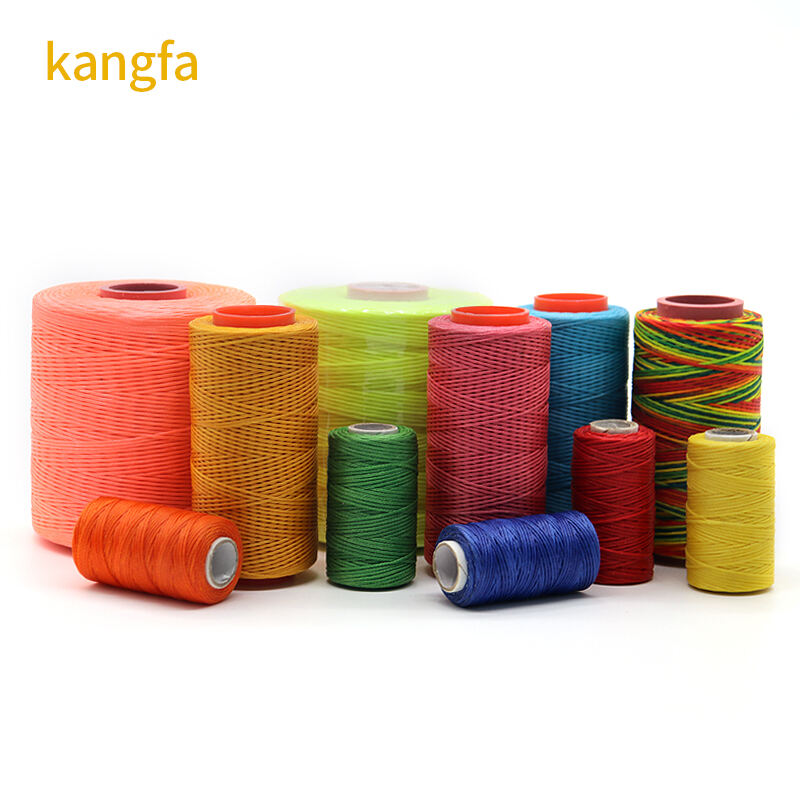
Global shoe manufacturers face increasing pressure to deliver durable, high-quality footwear while maintaining competitive production costs and meeting stringent international standards. The choice of stitching materials plays a critical role in determining product longevity, manufacturing efficiency, and overall brand reputation in today's demanding marketplace. Wholesale bonded thread solutions have emerged as the preferred choice for manufacturers seeking reliable, cost-effective materials that can withstand the rigorous demands of modern shoe production processes.
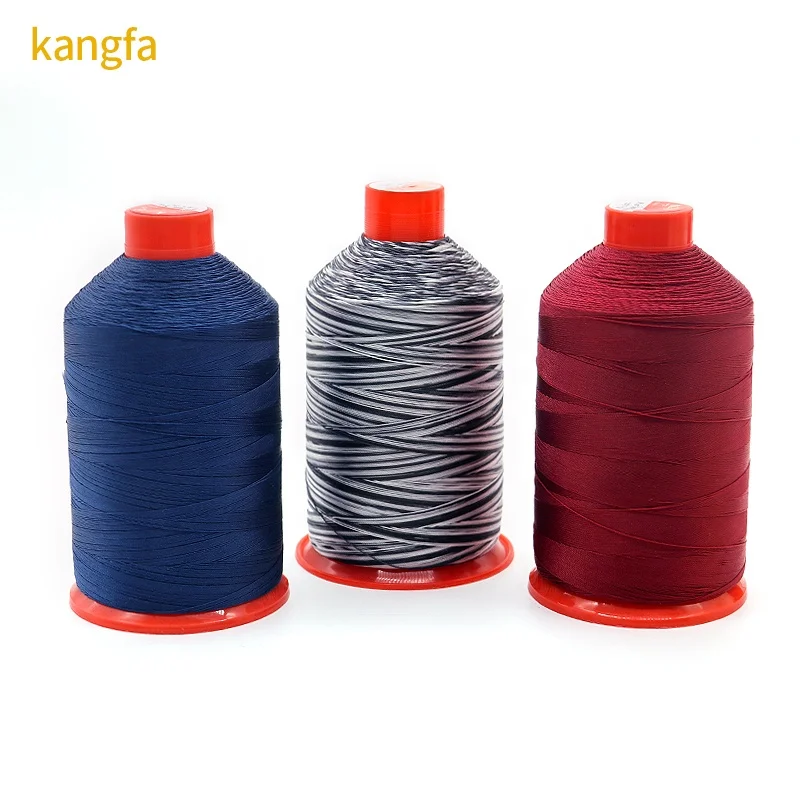
The strategic procurement of premium bonded thread through wholesale channels enables shoe manufacturers to optimize their supply chain operations while ensuring consistent product quality across diverse production lines. Understanding the specific requirements, benefits, and implementation strategies for wholesale bonded thread procurement can significantly impact manufacturing efficiency, product durability, and long-term business profitability in the competitive global footwear industry.
Understanding Bonded Thread Technology for Footwear Manufacturing
Core Characteristics of High-Performance Bonded Thread
Bonded thread represents a specialized category of industrial sewing thread where individual filaments are chemically treated and bonded together to create superior strength, durability, and performance characteristics. This advanced manufacturing process involves applying a protective coating that enhances thread integrity while preventing fraying, unraveling, and premature failure during intensive sewing operations. The bonding process creates a smooth, uniform surface that reduces friction during high-speed stitching operations common in modern shoe manufacturing facilities.
The chemical bonding treatment significantly improves thread performance by creating molecular bonds between individual fibers, resulting in enhanced tensile strength that can withstand the mechanical stress encountered during shoe assembly processes. This bonded thread technology ensures consistent stitch quality, reduced thread breakage, and improved overall manufacturing efficiency across diverse footwear production applications.
Advanced bonded thread formulations incorporate UV-resistant properties, moisture resistance, and chemical stability that protect against environmental degradation during storage, transportation, and end-use applications. These enhanced characteristics make bonded thread particularly suitable for outdoor footwear, athletic shoes, and industrial safety boots that require exceptional durability and performance under challenging conditions.
Material Composition and Engineering Specifications
Modern bonded thread solutions utilize high-performance synthetic materials, primarily nylon and polyester, that offer superior strength-to-weight ratios compared to traditional cotton or silk threads. Nylon-based bonded thread provides exceptional elasticity and recovery properties, making it ideal for athletic footwear and applications requiring flexibility during wear. The molecular structure of nylon allows for controlled stretch and return characteristics that accommodate foot movement without compromising stitch integrity.
Polyester bonded thread offers excellent dimensional stability and resistance to shrinkage, making it particularly suitable for leather footwear and applications requiring precise fit and finish. The low moisture absorption characteristics of polyester prevent thread degradation in humid environments while maintaining consistent performance across varying temperature conditions commonly encountered in global manufacturing and distribution networks.
Technical specifications for industrial-grade bonded thread include tensile strength ratings, elongation percentages, abrasion resistance values, and color fastness ratings that ensure consistent performance across diverse manufacturing environments. Understanding these engineering parameters enables manufacturers to select appropriate bonded thread grades for specific footwear applications, from lightweight athletic shoes to heavy-duty work boots requiring maximum durability and performance.
Wholesale Procurement Strategies for Global Manufacturing Operations
Volume-Based Purchasing Advantages and Cost Optimization
Implementing strategic wholesale procurement programs for bonded thread enables global shoe manufacturers to achieve significant cost reductions through economies of scale while ensuring consistent material availability across multiple production facilities. Volume purchasing agreements typically provide 15-25% cost savings compared to smaller quantity orders, directly improving manufacturing margins and competitive positioning in price-sensitive market segments.
Wholesale bonded thread procurement allows manufacturers to negotiate favorable payment terms, extended credit arrangements, and priority allocation during supply chain disruptions or peak demand periods. These strategic partnerships with bonded thread suppliers create operational stability that supports consistent production scheduling and inventory management across geographically distributed manufacturing operations.
Long-term wholesale contracts enable manufacturers to lock in favorable pricing structures that provide cost predictability for financial planning and product pricing strategies. This pricing stability becomes particularly valuable during periods of raw material volatility or currency fluctuations that can significantly impact manufacturing costs in global supply chains.
Quality Assurance and Supplier Certification Requirements
Establishing comprehensive quality assurance protocols for wholesale bonded thread suppliers ensures consistent material performance across diverse production requirements and international quality standards. Supplier certification programs should include ISO 9001 quality management systems, OEKO-TEX environmental compliance, and specific textile industry certifications that demonstrate manufacturing excellence and product reliability.
Regular quality audits and performance monitoring programs help maintain bonded thread quality standards while identifying potential supply chain risks before they impact production operations. These quality assurance measures include tensile strength testing, color consistency verification, dimensional stability assessments, and aging studies that validate long-term material performance under various environmental conditions.
Implementing supplier diversity programs for bonded thread procurement reduces supply chain risks while ensuring continuity of operations during unexpected disruptions. Multiple qualified suppliers provide operational flexibility and negotiating leverage that supports optimal procurement outcomes for global manufacturing operations.
Application-Specific Selection Criteria for Footwear Categories
Athletic and Performance Footwear Requirements
Athletic footwear manufacturing requires bonded thread solutions that can withstand repetitive stress cycles, moisture exposure, and dynamic loading conditions encountered during sports activities. High-performance bonded thread for athletic shoes must demonstrate superior elasticity, quick recovery properties, and resistance to degradation from perspiration, detergents, and UV exposure common in active lifestyle applications.
Specialized bonded thread formulations for athletic footwear incorporate antimicrobial treatments that prevent odor development and bacterial growth while maintaining thread integrity throughout the product lifecycle. These enhanced properties become particularly important for athletic shoes designed for intensive training, competitive sports, and outdoor activities where hygiene and durability are critical performance factors.
Color stability and fade resistance represent essential characteristics for athletic footwear bonded thread, as these products often feature bold colors and complex designs that must maintain visual appeal throughout extended use periods. Advanced color-fast bonded thread formulations ensure that athletic shoes retain their intended appearance despite exposure to sunlight, washing, and environmental stressors.
Luxury and Fashion Footwear Applications
Luxury footwear manufacturing demands bonded thread solutions that combine exceptional performance with aesthetic refinement to meet the exacting standards of premium brand positioning. Fine denier bonded thread provides smooth, virtually invisible stitching lines that enhance the sophisticated appearance expected in high-end leather goods and designer footwear applications.
Premium bonded thread for luxury footwear must demonstrate excellent compatibility with exotic leathers, delicate fabrics, and specialized finishing processes commonly used in high-end shoe manufacturing. The thread selection must support intricate stitching patterns, decorative seaming, and hand-finishing techniques while maintaining structural integrity and visual appeal throughout the product lifecycle.
Color matching capabilities become particularly critical for luxury footwear bonded thread, as premium products often require precise color coordination across multiple material components. Custom color development services and extensive shade libraries enable manufacturers to achieve exact color matches that meet the rigorous aesthetic standards demanded by luxury footwear brands.
Global Supply Chain Integration and Logistics Management
International Shipping and Inventory Optimization
Effective logistics management for wholesale bonded thread procurement requires sophisticated inventory planning systems that balance carrying costs against stockout risks across multiple manufacturing locations. Global shoe manufacturers must consider lead times, shipping costs, customs requirements, and local storage capabilities when developing optimal inventory strategies for bonded thread supplies.
International shipping considerations for bonded thread include packaging optimization, moisture protection, temperature control, and documentation requirements that ensure product integrity during extended transportation periods. Proper packaging and handling protocols prevent thread degradation while minimizing shipping costs through efficient container utilization and consolidated shipment strategies.
Regional distribution centers and local stocking arrangements can significantly reduce lead times while providing operational flexibility for responding to changing production requirements. Strategic placement of bonded thread inventory near major manufacturing centers enables just-in-time delivery systems that optimize working capital while ensuring material availability for uninterrupted production operations.
Compliance and Documentation Requirements
International bonded thread procurement requires comprehensive documentation and compliance management to meet varying regulatory requirements across different manufacturing jurisdictions. Proper documentation includes material safety data sheets, origin certificates, quality test reports, and environmental compliance statements that support customs clearance and local regulatory requirements.
Traceability systems for wholesale bonded thread enable manufacturers to track material lots from production through final assembly, supporting quality control initiatives and enabling rapid response to any quality issues that may arise during manufacturing or end-use applications. These tracking systems become particularly important for manufacturers serving regulated markets or customers with specific traceability requirements.
Environmental compliance documentation for bonded thread includes chemical composition declarations, recycling information, and carbon footprint data that support sustainability reporting requirements increasingly demanded by global footwear brands and regulatory authorities. Comprehensive environmental documentation enables manufacturers to meet emerging sustainability standards while supporting responsible sourcing initiatives.
FAQ
What are the key advantages of using bonded thread compared to conventional sewing thread in shoe manufacturing?
Bonded thread offers superior strength, reduced fraying, improved stitch quality, and enhanced durability compared to conventional threads. The chemical bonding process creates a smoother surface that reduces friction during high-speed sewing operations while providing better resistance to abrasion, moisture, and UV degradation. These characteristics result in fewer production interruptions, improved product quality, and extended footwear lifespan.
How do wholesale purchasing volumes typically affect bonded thread pricing and availability?
Wholesale bonded thread purchases generally provide 15-25% cost savings compared to smaller orders, with additional benefits including priority allocation during supply shortages, extended payment terms, and access to custom color development services. Volume commitments often qualify for guaranteed pricing periods that provide cost predictability and protection against raw material price volatility.
What quality certifications should manufacturers require from bonded thread suppliers?
Essential certifications include ISO 9001 quality management systems, OEKO-TEX environmental compliance, and relevant textile industry standards such as ASTM or JIS specifications. Additional certifications may include GRS recycled content verification, CPSIA compliance for children's footwear, and specific automotive or aerospace standards for specialized applications.
How can manufacturers ensure consistent bonded thread performance across different production facilities?
Maintaining consistent performance requires standardized incoming inspection procedures, regular supplier audits, centralized procurement specifications, and comprehensive quality documentation systems. Implementing lot tracking, performance monitoring, and feedback systems enables early identification of quality variations while supporting continuous improvement initiatives across global manufacturing operations.
Table of Contents
- Understanding Bonded Thread Technology for Footwear Manufacturing
- Wholesale Procurement Strategies for Global Manufacturing Operations
- Application-Specific Selection Criteria for Footwear Categories
- Global Supply Chain Integration and Logistics Management
-
FAQ
- What are the key advantages of using bonded thread compared to conventional sewing thread in shoe manufacturing?
- How do wholesale purchasing volumes typically affect bonded thread pricing and availability?
- What quality certifications should manufacturers require from bonded thread suppliers?
- How can manufacturers ensure consistent bonded thread performance across different production facilities?