 EN
EN

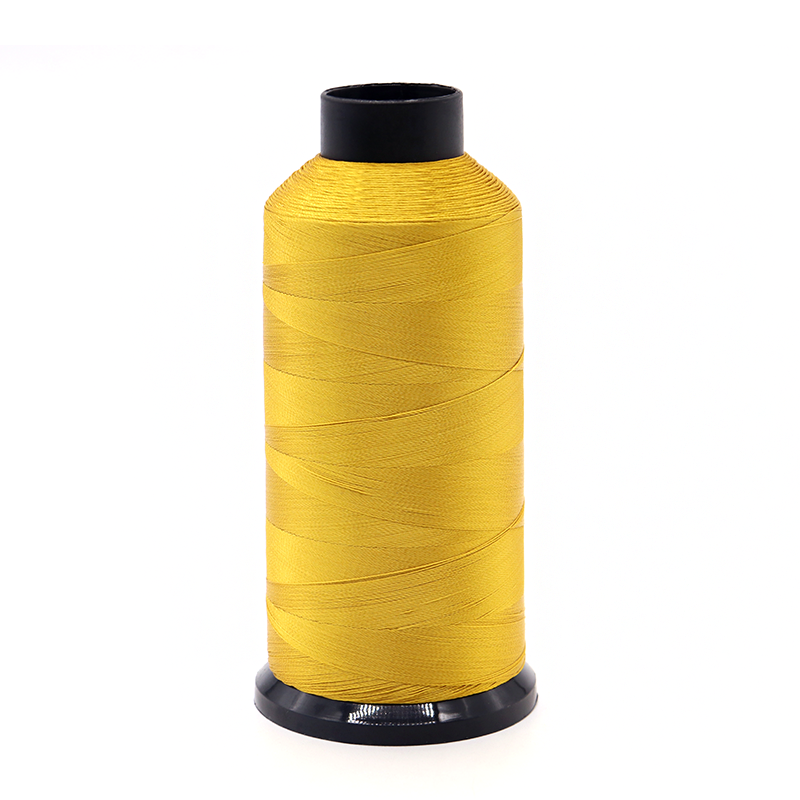
In industrial manufacturing environments where materials face extreme stress, heat, and friction, B2B buyers consistently turn to bonded thread as their primary sewing solution. This specialized thread construction delivers unmatched durability and performance characteristics that standard threads simply cannot match in demanding applications. The unique properties of bonded thread make it the preferred choice for manufacturers producing heavy-duty products, automotive components, and industrial textiles where failure is not an option.
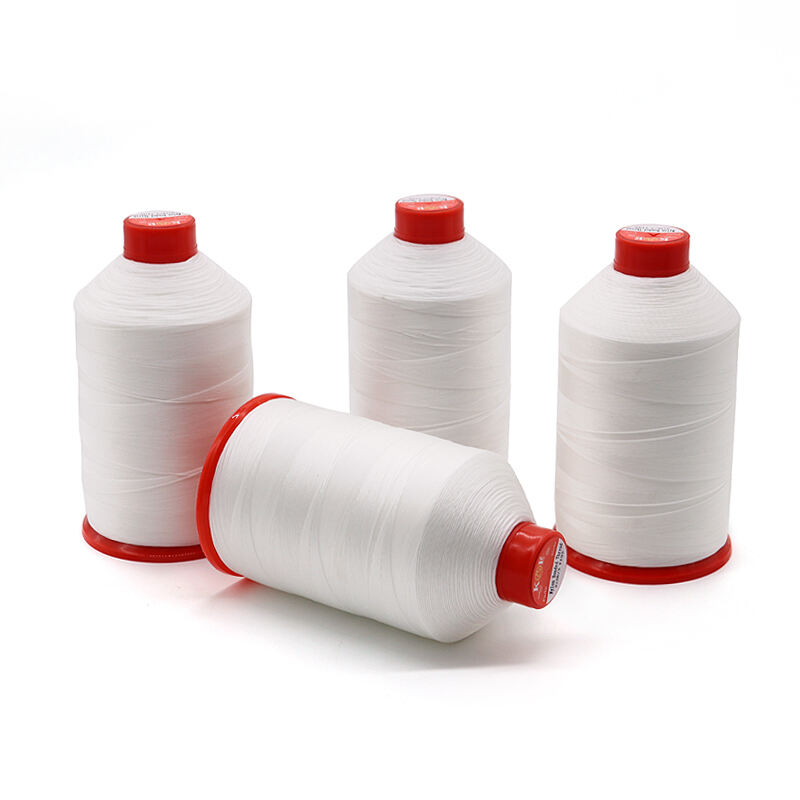
The decision to specify bonded thread in high-friction applications stems from critical business considerations that extend far beyond initial material costs. Manufacturing engineers and procurement professionals recognize that bonded thread represents a strategic investment in product reliability, reduced warranty claims, and enhanced brand reputation. Understanding why this thread type commands premium pricing while delivering superior value requires examining the fundamental advantages that drive purchasing decisions across diverse industrial sectors.
Superior Abrasion Resistance in Demanding Environments
Enhanced Surface Protection Through Bonding Process
The bonding process fundamentally transforms the thread structure by creating a protective coating that shields individual fibers from abrasive forces. This coating acts as a barrier that distributes stress across the entire thread diameter rather than concentrating wear on exposed fiber surfaces. When bonded thread encounters rough surfaces, metal edges, or repeated friction cycles, the bonding agent prevents fiber separation and maintains thread integrity under conditions that would rapidly degrade conventional alternatives.
Manufacturing applications involving heavy canvas, leather goods, and industrial fabrics generate significant abrasion forces during both production and end-use phases. Bonded thread construction ensures that seams maintain their structural integrity even when subjected to continuous rubbing, stretching, and flexing motions. The protective bonding layer effectively extends thread lifespan by 300-400% compared to unbonded alternatives in high-friction environments.
Reduced Thread Breakage During High-Speed Operations
Industrial sewing operations running at maximum throughput speeds create intense friction between thread and machine components, particularly at needle eyes, tension discs, and guide surfaces. Bonded thread formulations specifically address these friction points by reducing surface roughness and minimizing heat generation during rapid needle penetration cycles. The smooth, consolidated surface of bonded thread allows for higher operating speeds without compromising stitch quality or experiencing frequent thread breaks.
Production managers report significantly fewer machine stoppages when switching from standard threads to bonded alternatives in high-volume manufacturing environments. This reduction in downtime translates directly to improved productivity metrics and lower labor costs per finished unit. The consistent performance of bonded thread under demanding operational conditions makes it an essential component in lean manufacturing strategies focused on eliminating waste and maximizing efficiency.
Temperature Stability and Chemical Resistance Advantages
Heat Resistance in Extreme Operating Conditions
High-friction applications generate substantial heat through mechanical interaction, creating thermal stresses that can weaken or destroy conventional thread structures. Bonded thread formulations incorporate heat-resistant polymers and stabilizing agents that maintain tensile strength and dimensional stability at elevated temperatures. This thermal stability proves critical in automotive upholstery, industrial filtration, and protective equipment applications where operating temperatures routinely exceed 150-200 degrees Celsius.
The molecular structure of bonded thread resists thermal degradation through cross-linking mechanisms that actually strengthen under moderate heat exposure. This characteristic enables manufacturers to specify bonded thread for applications involving welding operations, engine compartments, and heated manufacturing processes without concern for premature failure. The temperature resistance of bonded thread extends product service life and reduces field failures in thermally challenging environments.
Chemical Resistance for Industrial Applications
Industrial environments often expose sewn products to aggressive chemicals, solvents, and cleaning agents that can rapidly degrade unprotected thread materials. The bonding process creates a chemical barrier that shields the core thread fibers from direct contact with potentially damaging substances. This protection proves especially valuable in manufacturing safety equipment, chemical-resistant clothing, and industrial filtration products where thread failure could create serious safety hazards.
Bonded thread maintains its structural integrity when exposed to acids, bases, petroleum products, and industrial cleaning compounds that would quickly dissolve or weaken standard thread formulations. This chemical resistance ensures that critical seams remain intact throughout the product lifecycle, even in harsh industrial environments. The ability to withstand chemical exposure makes bonded thread indispensable for applications requiring frequent decontamination or chemical processing exposure.
Cost-Effectiveness Through Extended Product Lifecycle
Reduced Warranty Claims and Field Failures
The superior durability characteristics of bonded thread directly impact warranty costs and customer satisfaction metrics for manufacturers of high-stress products. Field failures attributed to thread degradation can result in expensive product recalls, replacement costs, and damaged brand reputation. By specifying bonded thread for critical seam applications, manufacturers significantly reduce the probability of premature product failure and associated warranty expenses.
Quality assurance departments consistently report lower defect rates and extended product lifespans when bonded thread is utilized in demanding applications. This reliability improvement translates to measurable reductions in customer complaints, service calls, and replacement part requirements. The initial premium cost of bonded thread is typically recovered within the first year through reduced warranty obligations and improved customer retention rates.
Manufacturing Efficiency and Production Optimization
The consistent performance characteristics of bonded thread enable manufacturers to optimize production parameters for maximum throughput while maintaining quality standards. Reduced thread breakage rates allow for higher sewing speeds, fewer machine adjustments, and minimal operator intervention during production runs. This operational efficiency improvement contributes to lower per-unit manufacturing costs despite the higher initial thread material costs.
Production planning becomes more predictable when bonded thread is specified for high-friction applications, as the reduced variability in thread performance eliminates many sources of production delays and quality issues. Manufacturing engineers can establish more aggressive production schedules and tighter quality tolerances knowing that bonded thread will perform consistently across extended production runs. This predictability enables lean manufacturing implementations and just-in-time production strategies that further reduce overall manufacturing costs.
Application-Specific Performance in Critical Industries
Automotive Industry Requirements
Automotive manufacturers face stringent quality requirements and extensive testing protocols that demand superior thread performance in seat upholstery, interior trim, and safety restraint systems. Bonded thread specifications meet or exceed automotive industry standards for tensile strength, abrasion resistance, and environmental durability. The ability to withstand repeated stress cycles, temperature fluctuations, and chemical exposure makes bonded thread essential for automotive applications where failure could compromise passenger safety.
The automotive industry's emphasis on weight reduction and material optimization creates additional challenges for thread selection, as lighter-weight fabrics often require stronger, more durable stitching solutions. Bonded thread enables manufacturers to achieve weight reduction goals while maintaining or improving seam strength and durability. This capability supports the industry's ongoing efforts to improve fuel efficiency without compromising safety or comfort standards.
Aerospace and Defense Applications
Aerospace and defense applications impose the most demanding performance requirements for sewn products, including extreme temperature ranges, chemical exposure, and mechanical stress conditions. Bonded thread formulations designed for these applications undergo extensive testing and certification processes to ensure compliance with military specifications and aerospace quality standards. The exceptional reliability of bonded thread makes it the preferred choice for parachutes, protective equipment, and aircraft interior components where failure could have catastrophic consequences.
The traceability and quality documentation requirements in aerospace applications align well with the consistent performance characteristics of bonded thread. Manufacturing processes can be validated and certified with confidence when bonded thread specifications are incorporated into critical component designs. This reliability supports the strict quality management systems required in aerospace and defense manufacturing environments.
Selection Criteria and Procurement Considerations
Technical Specification Alignment
Successful implementation of bonded thread in high-friction applications requires careful alignment between thread specifications and application requirements. Engineering teams must evaluate tensile strength, elongation characteristics, and environmental resistance properties to ensure optimal performance in specific use conditions. The wide range of available bonded thread formulations allows for precise matching of material properties to application demands.
Procurement professionals work closely with technical teams to establish specifications that balance performance requirements with cost objectives. The selection process typically involves prototype testing, accelerated aging studies, and field trials to validate performance under actual use conditions. This comprehensive evaluation approach ensures that chosen bonded thread specifications will deliver the expected performance benefits throughout the product lifecycle.
Supplier Qualification and Quality Assurance
The critical nature of high-friction applications demands rigorous supplier qualification processes to ensure consistent bonded thread quality and performance. Qualified suppliers must demonstrate manufacturing capabilities, quality management systems, and technical support resources adequate for demanding industrial applications. The supplier selection process includes facility audits, capability assessments, and long-term supply chain stability evaluations.
Quality assurance protocols for bonded thread procurement include incoming inspection procedures, batch testing requirements, and performance verification methods. These quality measures ensure that received materials meet specifications and will perform as expected in production applications. The investment in comprehensive quality assurance processes prevents costly production disruptions and quality issues that could result from substandard thread materials.
FAQ
What makes bonded thread more expensive than regular thread, and is the cost justified?
Bonded thread costs more due to the additional manufacturing process required to apply protective coatings and the premium materials used in its construction. However, the cost is typically justified through reduced thread breakage, lower warranty claims, improved production efficiency, and extended product lifecycles. Most manufacturers find that the total cost of ownership actually decreases when switching to bonded thread for demanding applications.
How do I determine if my application requires bonded thread instead of standard alternatives?
Applications involving high friction, elevated temperatures, chemical exposure, or critical safety requirements typically benefit from bonded thread. If your products experience frequent field failures, warranty claims, or production issues related to thread performance, bonded thread should be evaluated. Consider bonded thread when standard alternatives show signs of wear, breakage, or degradation under normal operating conditions.
Can bonded thread be used with existing sewing equipment, or do special modifications need to be made?
Most bonded thread formulations are compatible with standard industrial sewing equipment without major modifications. However, tension settings, needle selection, and thread guides may require adjustment to optimize performance. Some high-performance bonded threads may require specific needle types or modified thread paths to accommodate their unique characteristics. Consult with equipment manufacturers and thread suppliers for optimal setup recommendations.
What industries typically specify bonded thread as a standard material requirement?
Aerospace, automotive, defense, industrial filtration, and heavy-duty equipment industries commonly specify bonded thread due to their demanding performance requirements. These industries prioritize reliability, safety, and durability over initial material costs. Additionally, manufacturers of outdoor equipment, marine products, and protective gear frequently choose bonded thread for applications involving environmental exposure and mechanical stress.
Table of Contents
- Superior Abrasion Resistance in Demanding Environments
- Temperature Stability and Chemical Resistance Advantages
- Cost-Effectiveness Through Extended Product Lifecycle
- Application-Specific Performance in Critical Industries
- Selection Criteria and Procurement Considerations
-
FAQ
- What makes bonded thread more expensive than regular thread, and is the cost justified?
- How do I determine if my application requires bonded thread instead of standard alternatives?
- Can bonded thread be used with existing sewing equipment, or do special modifications need to be made?
- What industries typically specify bonded thread as a standard material requirement?