 EN
EN

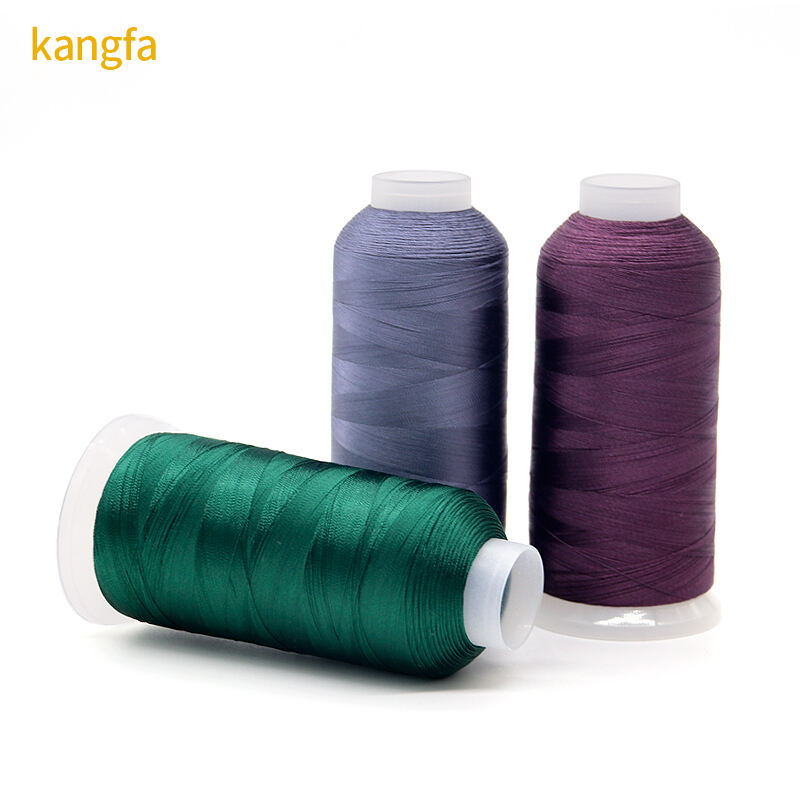
Finding the right industrial embroidery thread supplier for high-speed machine operations requires understanding the unique demands of commercial and industrial embroidery environments. High-speed embroidery machines operate at significantly faster rates than standard equipment, placing exceptional stress on thread materials and requiring suppliers who can deliver consistent quality, reliable performance, and specialized thread formulations designed for intensive production cycles.
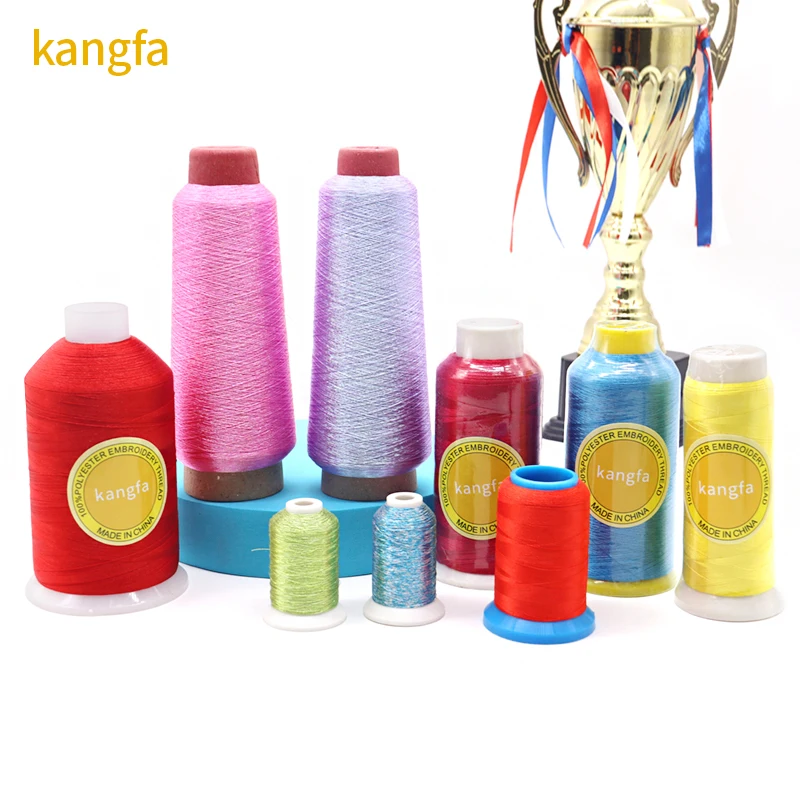
Professional embroidery operations depend on suppliers who understand the technical specifications required for sustained high-speed performance. The selection of an appropriate industrial embroidery thread supplier directly impacts production efficiency, thread break rates, stitch quality, and overall operational costs in commercial embroidery facilities.
Critical Requirements for High-Speed Machine Thread Performance
Thread Tensile Strength and Durability Standards
High-speed embroidery machines subject threads to extreme mechanical stress during rapid needle penetration and fabric interaction. Industrial embroidery thread must demonstrate superior tensile strength to withstand the acceleration forces generated by machines operating at 1000 to 1500 stitches per minute. Quality suppliers provide thread with consistent strength ratings across entire production lots, ensuring predictable performance during extended production runs.
The thread construction method significantly affects durability performance in high-speed applications. Suppliers specializing in industrial embroidery thread utilize advanced spinning techniques and quality control measures to eliminate weak points that could cause breaks during rapid stitching operations. Thread uniformity becomes critical when machines operate continuously for hours without operator intervention.
Heat Resistance and Friction Management
High-speed embroidery operations generate substantial heat through friction between the thread and machine components. Industrial grade threads require enhanced heat resistance properties to maintain structural integrity during continuous operation cycles. Suppliers must provide thread formulations that resist degradation when exposed to elevated temperatures generated by rapid needle movement and thread path friction.
Premium industrial embroidery thread incorporates specialized lubricants and surface treatments to reduce friction coefficients and minimize heat buildup during high-speed operations. These technical enhancements allow machines to maintain optimal operating speeds while reducing wear on both thread and machine components.
Supplier Evaluation Criteria for Industrial Operations
Production Capacity and Consistency Standards
Industrial embroidery operations require suppliers capable of delivering large volumes of thread with consistent quality characteristics across multiple production batches. Reliable suppliers maintain sophisticated quality control systems that monitor thread specifications throughout the manufacturing process, ensuring that each shipment meets the same performance standards required for high-speed machine operations.
Production scheduling flexibility becomes essential when working with industrial embroidery thread suppliers serving high-volume operations. Suppliers must demonstrate the ability to scale production capacity to meet seasonal demand fluctuations and urgent order requirements without compromising thread quality or delivery timelines that could disrupt customer production schedules.
Technical Support and Application Expertise
Experienced industrial embroidery thread suppliers provide comprehensive technical support to help customers optimize machine settings and thread selection for specific applications. This expertise includes recommendations for needle types, thread tensions, and machine speeds that maximize productivity while minimizing thread breaks and quality issues during high-speed operations.
Quality suppliers maintain detailed technical documentation covering thread specifications, recommended machine settings, and troubleshooting guidance for common high-speed embroidery challenges. This support becomes invaluable when production facilities encounter performance issues or need to adapt their operations for new embroidery applications requiring different thread characteristics.
Thread Specifications for High-Speed Applications
Denier Weight and Construction Considerations
The denier weight of industrial embroidery thread significantly impacts its performance in high-speed machine applications. Higher denier threads provide increased strength and durability but may require adjustments to machine tension settings and needle sizes to accommodate the additional thread mass during rapid stitching operations.
Thread construction methods affect how industrial embroidery thread behaves under the stress conditions created by high-speed machines. Trilobal polyester threads offer enhanced light reflection and appearance quality while maintaining the strength characteristics required for demanding production environments. Suppliers must balance visual appeal with mechanical performance to meet the dual requirements of industrial applications.
Color Fastness and Chemical Resistance
Industrial embroidery applications often involve fabrics and garments subjected to commercial washing processes and chemical treatments. Industrial embroidery thread suppliers must provide products with superior color fastness ratings to ensure that embroidered designs maintain their appearance throughout the product lifecycle and resist fading under industrial laundering conditions.
Chemical resistance becomes particularly important when embroidering technical textiles, workwear, or products exposed to harsh environmental conditions. Quality suppliers test their industrial embroidery thread against various chemical exposures to verify performance in specialized applications requiring enhanced durability and resistance to degradation.
Supply Chain Management and Logistics
Inventory Management and Stock Availability
Industrial embroidery operations require suppliers who maintain adequate inventory levels to support continuous production schedules without interruption. Reliable suppliers implement sophisticated inventory management systems that track usage patterns and automatically replenish stock levels to prevent production delays caused by material shortages.
The ability to provide consistent color matching across multiple orders becomes critical for industrial embroidery thread suppliers serving customers with ongoing production requirements. Suppliers must maintain detailed color standards and dye lot tracking systems to ensure that replacement thread shipments match previously delivered materials without visible variations in finished embroidery work.
Packaging and Delivery Optimization
Industrial embroidery thread suppliers optimize packaging formats to support efficient handling and storage in high-volume production environments. Large cone sizes reduce changeover frequency during extended production runs while specialized packaging protects thread quality during storage and transportation to customer facilities.
Delivery scheduling coordination allows suppliers to align shipments with customer production cycles and inventory management requirements. Flexible delivery options enable industrial operations to maintain optimal thread inventory levels without tying up excessive capital in material stocks or risking production interruptions due to supply delays.
Quality Assurance and Performance Testing
Thread Testing Protocols and Standards
Professional industrial embroidery thread suppliers implement comprehensive testing protocols to verify thread performance under high-speed machine conditions. These tests simulate the stress conditions encountered during actual production operations and identify potential performance issues before thread shipment to customer facilities.
Standardized testing procedures evaluate thread characteristics including tensile strength, elongation properties, heat resistance, and color stability under controlled conditions that replicate high-speed embroidery environments. Suppliers provide detailed test results and certifications documenting thread performance specifications for customer quality assurance programs.
Continuous Improvement and Innovation
Leading industrial embroidery thread suppliers invest in ongoing research and development to improve thread formulations and manufacturing processes. Innovation efforts focus on enhancing thread performance characteristics while reducing costs and environmental impact of production operations.
Customer feedback integration allows suppliers to identify areas for improvement and develop enhanced thread formulations addressing specific challenges encountered in high-speed embroidery applications. This collaborative approach ensures that industrial embroidery thread continues evolving to meet the changing demands of modern production environments.
FAQ
What makes industrial embroidery thread different from standard embroidery thread?
Industrial embroidery thread is specifically engineered to withstand the higher speeds, increased tension, and continuous operation demands of commercial embroidery machines. It features enhanced tensile strength, improved heat resistance, and specialized surface treatments that reduce friction and prevent breaks during high-speed operations that would typically cause standard thread to fail.
How do I determine the right thread weight for my high-speed embroidery machines?
Thread weight selection depends on your specific machine capabilities, fabric types, and design requirements. Most high-speed industrial machines perform optimally with 120D to 150D polyester threads, but you should consult with your industrial embroidery thread supplier to match thread specifications to your exact machine models and production requirements for optimal performance.
What should I look for in an industrial embroidery thread supplier's quality certifications?
Look for suppliers with ISO 9001 quality management certifications, Oeko-Tex Standard 100 for textile safety, and documented testing protocols for tensile strength, color fastness, and heat resistance. Reliable suppliers provide detailed technical specifications, batch tracking systems, and performance guarantees that demonstrate their commitment to consistent thread quality.
How can I minimize thread breaks when running high-speed embroidery production?
Thread break reduction requires proper thread selection, machine maintenance, and operational adjustments. Work with your industrial embroidery thread supplier to optimize thread tension settings, select appropriate needle sizes, and ensure your thread path is properly lubricated. Regular machine maintenance and using thread specifically designed for high-speed applications significantly reduces break rates and improves production efficiency.
Table of Contents
- Critical Requirements for High-Speed Machine Thread Performance
- Supplier Evaluation Criteria for Industrial Operations
- Thread Specifications for High-Speed Applications
- Supply Chain Management and Logistics
- Quality Assurance and Performance Testing
-
FAQ
- What makes industrial embroidery thread different from standard embroidery thread?
- How do I determine the right thread weight for my high-speed embroidery machines?
- What should I look for in an industrial embroidery thread supplier's quality certifications?
- How can I minimize thread breaks when running high-speed embroidery production?