 EN
EN

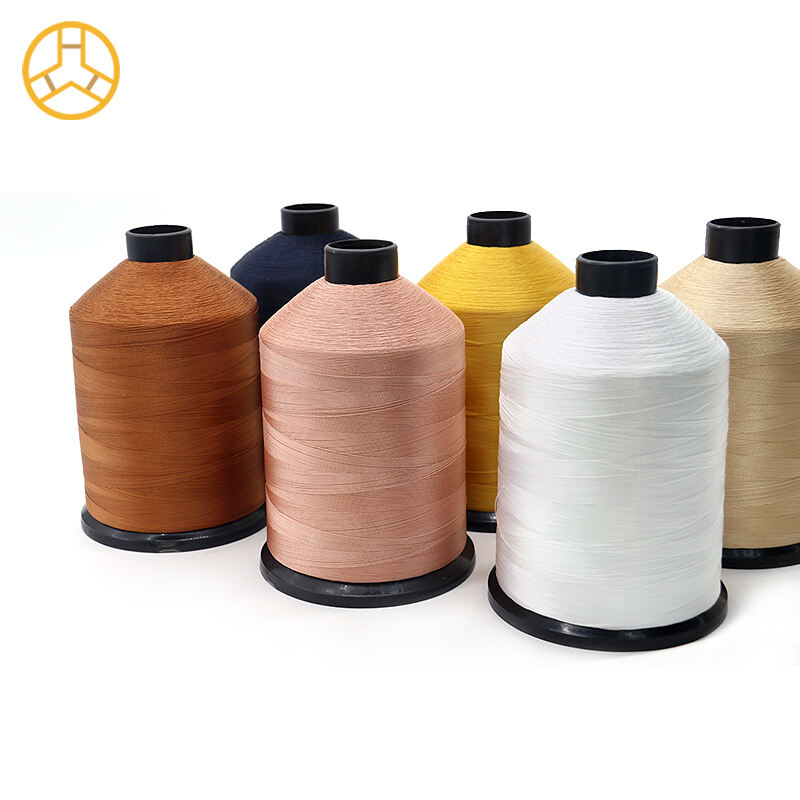
Color fastness represents one of the most critical quality benchmarks in textile manufacturing, particularly for embroidery thread factories that supply industrial clients, apparel manufacturers, and decorative textile producers. The ability of embroidered designs to maintain their vibrant appearance through washing, exposure to light, friction, and chemical treatments directly impacts product longevity, customer satisfaction, and brand reputation. Professional embroidery thread factories have developed comprehensive quality control systems that integrate raw material selection, precision dyeing processes, rigorous testing protocols, and compliance verification to guarantee that their products meet international color fastness standards consistently across every production batch.
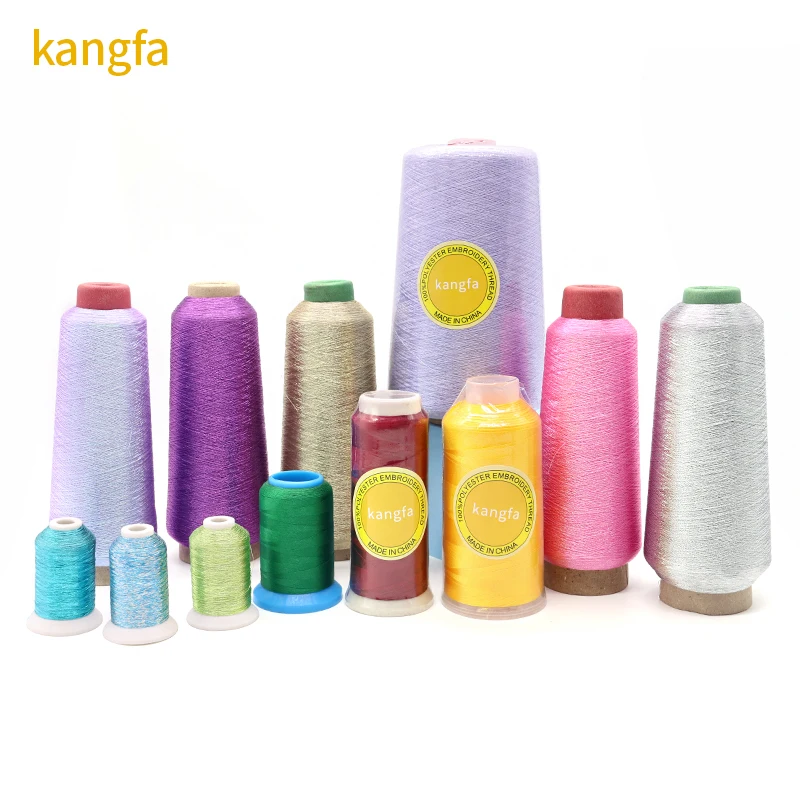
Modern embroidery thread factories operate within a highly competitive global marketplace where technical specifications and performance reliability differentiate premium suppliers from commodity producers. Color fastness standards such as those defined by ISO, AATCC, and JIS provide measurable benchmarks that enable buyers to evaluate thread quality objectively before committing to large-scale orders. Understanding how embroidery thread factories achieve and maintain these standards requires examining the entire manufacturing workflow, from fiber chemistry and dye formulation through post-treatment finishing and batch-level quality assurance. This comprehensive approach ensures that embroidery threads perform reliably across diverse applications, from high-volume commercial embroidery to specialized technical textiles that demand exceptional durability under extreme conditions.
Raw Material Selection and Fiber Quality Control in Embroidery Thread Factories
Polymer Structure and Dye Affinity Characteristics
The foundation of superior color fastness begins with the molecular structure of the base fiber used in embroidery thread production. Professional embroidery thread factories carefully select polyester, rayon, cotton, or specialty fibers based on their inherent dye affinity, crystallinity, and chemical resistance properties. Polyester fibers, for instance, possess a hydrophobic molecular structure with closed, tightly packed polymer chains that require disperse dyes and high-temperature dyeing conditions to achieve permanent color penetration. Factories specializing in polyester embroidery threads invest in raw materials with consistent molecular weight distribution and optimal crystallinity levels that facilitate uniform dye uptake while maintaining the mechanical strength necessary for high-speed embroidery operations.
Quality control at this initial stage involves rigorous incoming material inspection protocols that verify fiber tenacity, elongation characteristics, surface smoothness, and chemical purity. Advanced embroidery thread factories maintain detailed specifications for acceptable raw material parameters and conduct laboratory testing on representative samples from each incoming shipment. This proactive quality control prevents downstream color fastness issues that could arise from fiber inconsistencies, residual processing chemicals, or structural defects that interfere with dye bonding. By establishing strong relationships with certified fiber suppliers and implementing strict acceptance criteria, embroidery thread factories create the essential foundation for achieving superior color fastness performance across their entire product range.
Pre-Treatment Processes That Enable Uniform Dye Penetration
Before dyeing operations commence, sophisticated embroidery thread factories subject their base yarns to comprehensive pre-treatment processes designed to remove impurities, standardize surface properties, and optimize dye receptivity. These preparatory steps typically include scouring to eliminate residual spinning oils and surface contaminants, heat-setting to stabilize dimensional properties and reduce shrinkage potential, and chemical treatments that modify surface energy characteristics to promote even dye distribution. The precision with which embroidery thread factories execute these pre-treatment protocols directly influences the final color fastness performance, as inconsistencies in surface preparation create variations in dye uptake that manifest as uneven coloration or reduced wash fastness.
Temperature control, chemical concentration management, and processing time standardization represent critical parameters that embroidery thread factories monitor continuously during pre-treatment operations. Automated process control systems maintain bath temperatures within narrow tolerance ranges, while precise metering equipment ensures consistent chemical dosing across production runs. Advanced facilities employ continuous pre-treatment lines with integrated monitoring systems that detect and correct process deviations in real-time, minimizing batch-to-batch variation and ensuring that every yarn package enters the dyeing stage with identical surface characteristics. This systematic approach to pre-treatment establishes the uniform substrate conditions necessary for achieving consistent color fastness results across large production volumes.
Advanced Dyeing Technologies and Process Control Systems
High-Temperature Dyeing Methods for Polyester Embroidery Threads
Polyester embroidery thread production requires specialized high-temperature dyeing equipment capable of operating at pressures and temperatures that enable disperse dye molecules to penetrate the fiber's crystalline structure permanently. Professional embroidery thread factories utilize pressure dyeing vessels, jet dyeing machines, or package dyeing systems that maintain precise temperature profiles throughout the dyeing cycle, typically reaching temperatures between 120 and 135 degrees Celsius. At these elevated temperatures, the polyester fiber structure temporarily relaxes, allowing disperse dye molecules to diffuse into the amorphous regions of the polymer matrix where they become trapped upon cooling, creating permanent coloration with exceptional wash and light fastness characteristics.
The relationship between dyeing temperature, time, and color fastness performance follows well-established thermodynamic principles that embroidery thread factories leverage through careful process optimization. Extended dyeing times at optimal temperatures ensure complete dye exhaustion and uniform penetration throughout the yarn cross-section, eliminating surface-only coloration that exhibits poor wash fastness. Modern embroidery thread factories employ computerized recipe management systems that calculate precise dye quantities, auxiliary chemical dosages, and heating profiles based on fiber type, yarn construction, package density, and target color specifications. These systems integrate historical production data and colorimetric feedback to continuously refine dyeing parameters, improving first-time-right rates and minimizing color variation across production batches.
Auxiliary Chemical Selection for Enhanced Dye Fixation
Beyond dye chemistry and temperature control, embroidery thread factories employ carefully formulated auxiliary chemicals that enhance dye fixation, improve levelness, and contribute to superior color fastness performance. Dispersing agents prevent dye aggregation and promote uniform distribution throughout the dyeing bath, while leveling agents slow the initial dye uptake rate to prevent uneven coloration on yarn surfaces. pH buffers maintain optimal acidity or alkalinity levels that maximize dye-fiber interactions, and electrolyte additions control the rate of dye migration to the fiber surface. The selection and precise dosing of these auxiliary chemicals represent proprietary knowledge that distinguishes leading embroidery thread factories from competitors operating with basic dyeing capabilities.
After-treatment chemicals applied during the final stages of the dyeing process play an equally important role in achieving exceptional color fastness results. Reduction clearing agents remove unfixed surface dye particles that could bleed during subsequent washing, while fixing agents create additional chemical bonds between dye molecules and fiber polymers. High-performance embroidery thread factories formulate custom auxiliary chemical packages tailored to specific dye classes, fiber types, and end-use requirements, conducting extensive laboratory trials to validate the color fastness performance of new formulations before introducing them into production. This scientific approach to auxiliary chemical management ensures that embroidery thread factories consistently deliver products that meet or exceed stringent international color fastness standards across diverse testing conditions.
Comprehensive Testing Protocols and Quality Assurance Systems
Standardized Color Fastness Testing Methods
Professional embroidery thread factories implement rigorous testing protocols based on internationally recognized standards such as ISO 105 series, AATCC technical manuals, and JIS specifications that define specific test methods for evaluating color fastness to washing, light exposure, rubbing, perspiration, and chemical treatments. These standardized procedures specify precise testing conditions including temperature, agitation intensity, exposure duration, and evaluation criteria that enable objective comparison of results across different laboratories and production facilities. Leading embroidery thread factories maintain accredited in-house testing laboratories staffed by trained technicians who execute these protocols systematically on representative samples from every production batch, creating documented evidence of quality compliance that satisfies customer requirements and regulatory obligations.
Wash fastness testing typically involves subjecting embroidery thread samples to repeated laundering cycles using standardized detergents, multifiber test fabrics, and controlled water temperatures, then evaluating both color change on the original sample and staining transferred to adjacent fabrics using calibrated grey scale comparisons. Light fastness assessment employs xenon arc lamps or carbon arc sources that simulate natural sunlight exposure over extended periods, with periodic evaluations documenting the rate of color degradation. Embroidery thread factories targeting premium market segments routinely achieve wash fastness ratings of Grade 4 to 5 and light fastness ratings of Grade 4 or higher, performance levels that ensure embroidered products maintain their appearance through years of normal use and multiple cleaning cycles.
Statistical Process Control and Batch Certification
Modern embroidery thread factories employ statistical process control methodologies that track key quality parameters across production runs, identifying trends and variations that could indicate emerging color fastness issues before they result in customer complaints or product failures. Control charts monitor dye lot consistency, dyeing machine performance, color measurement data, and test results across multiple batches, establishing normal variation ranges and triggering corrective actions when measurements fall outside acceptable limits. This proactive quality management approach enables embroidery thread factories to maintain consistent color fastness performance despite inherent variability in raw materials, environmental conditions, and equipment performance that characterizes real-world manufacturing environments.
Each production batch receives comprehensive documentation that includes raw material certifications, process parameter records, laboratory test results, and final inspection approvals before release for shipment. Leading embroidery thread factories maintain complete traceability systems that link finished products to specific raw material lots, dyeing runs, and quality control data, enabling rapid investigation and corrective action if field performance issues arise. This systematic approach to quality assurance and documentation provides customers with confidence that the embroidery threads they purchase will deliver consistent color fastness performance across their entire order quantity and subsequent reorders, supporting long-term supply relationships built on demonstrated reliability and technical competence.
Post-Dyeing Finishing Treatments and Protective Coatings
Heat-Setting and Dimensional Stabilization Processes
After dyeing operations conclude, embroidery thread factories subject their products to controlled heat-setting treatments that permanently stabilize the fiber structure, lock in dye molecules, and optimize mechanical properties for high-speed embroidery operations. These thermal treatments expose the dyed yarn to elevated temperatures under carefully controlled tension conditions, relaxing internal stresses introduced during spinning and dyeing while preventing future dimensional changes that could cause embroidered designs to pucker or distort. The heat-setting process also enhances color fastness by promoting additional crystallization of dye molecules within the fiber matrix and driving off residual moisture that could facilitate dye migration during storage or use.
Advanced embroidery thread factories utilize precision heat-setting equipment with multi-zone temperature control, adjustable yarn tension systems, and controlled cooling profiles that optimize the balance between dimensional stability, strength retention, and color fastness performance. Process parameters vary based on fiber type, yarn construction, and intended application, with polyester threads typically requiring higher heat-setting temperatures than cellulosic or specialty fibers. Quality control protocols verify that heat-set yarns meet specified shrinkage limits, typically less than two percent under standardized testing conditions, ensuring that embroidered designs maintain their dimensional accuracy through repeated washing and wear cycles while preserving the vibrant colors achieved during the dyeing process.
Protective Finishing Agents and Lubricant Application
The final manufacturing steps in professional embroidery thread factories involve applying specialized finishing agents that enhance color fastness, improve sewability, and protect against environmental degradation during storage and use. UV absorber chemicals bond to fiber surfaces, intercepting harmful ultraviolet radiation before it can break down dye molecules and cause color fading in embroidered products exposed to sunlight. Antioxidant additives prevent oxidative degradation of both fibers and dyes during extended storage periods, particularly important for light-colored threads that show discoloration more readily than darker shades. These protective finishing treatments represent critical value-added steps that differentiate premium embroidery threads from commodity products that lack comprehensive finishing protocols.
Lubricant application ensures smooth thread passage through embroidery machine needle eyes and tension discs while minimizing friction-induced heating that could compromise color fastness during high-speed sewing operations. Professional embroidery thread factories formulate custom lubricant blends that balance sewability requirements with color fastness preservation, avoiding petroleum-based products that could attract soil or interfere with subsequent dyeing or finishing operations on the embroidered substrate. The lubricant application process involves precise metering systems that maintain consistent coating levels across yarn packages, followed by conditioning periods that allow uniform lubricant distribution before final packaging. This attention to finishing details ensures that embroidery thread factories deliver products that perform optimally throughout the entire value chain from manufacturing through end-use application.
Compliance Verification and International Certification Standards
ISO and OEKO-TEX Certification Requirements
Leading embroidery thread factories pursue third-party certifications that validate their quality management systems, environmental practices, and product safety characteristics, providing customers with independent verification of color fastness capabilities and manufacturing consistency. ISO 9001 quality management certification demonstrates that embroidery thread factories have implemented systematic processes for controlling product quality, maintaining calibrated testing equipment, training personnel, and continuously improving manufacturing operations. OEKO-TEX Standard 100 certification verifies that finished embroidery threads are free from harmful chemicals and meet strict limits for restricted substances, a requirement increasingly important for threads used in children's clothing, intimate apparel, and medical textiles where direct skin contact occurs.
Achieving and maintaining these certifications requires embroidery thread factories to submit to regular audits conducted by accredited certification bodies that review documentation, inspect facilities, observe manufacturing processes, and test product samples according to standardized protocols. The certification process validates that color fastness testing procedures follow recognized international standards, that laboratory equipment receives proper calibration and maintenance, and that quality control personnel possess appropriate training and qualifications. For buyers sourcing embroidery threads for critical applications, these third-party certifications provide assurance that supplier claims regarding color fastness performance are supported by verified testing data and systematic quality management practices rather than unsubstantiated marketing assertions.
Customer-Specific Testing and Performance Validation
Beyond standard international test methods, sophisticated embroidery thread factories work closely with major customers to develop and execute custom testing protocols that simulate specific end-use conditions and validate color fastness performance under actual application requirements. Automotive embroidery applications, for example, require exposure testing that combines elevated temperatures, UV radiation, and chemical contact representative of vehicle interior environments. Medical textile applications demand color fastness validation against specific disinfection protocols including chlorine bleach exposure, steam sterilization, and repeated industrial laundering at high temperatures with aggressive detergents.
This collaborative approach to performance validation enables embroidery thread factories to optimize their dyeing and finishing processes for specific customer applications, creating differentiated products that command premium pricing based on documented superior performance in targeted end-use scenarios. The resulting technical partnerships extend beyond simple supplier-customer transactions, positioning embroidery thread factories as solution providers that contribute specialized knowledge and application-specific products to their customers' manufacturing operations. By investing in custom testing capabilities and application development support, forward-thinking embroidery thread factories build competitive advantages that protect their market positions against low-cost competitors offering undifferentiated commodity products with generic quality claims.
FAQ
What color fastness grades do professional embroidery thread factories typically achieve?
Professional embroidery thread factories specializing in high-quality polyester threads routinely achieve wash fastness ratings of Grade 4 to 5 on the ISO grey scale, indicating minimal to no color change or staining after repeated laundering cycles. Light fastness performance typically ranges from Grade 4 to Grade 6 depending on dye selection and application requirements, with Grade 4 representing good performance for general apparel and Grade 6 indicating excellent resistance suitable for outdoor applications and extended sun exposure. These performance levels require careful control of dyeing processes, appropriate dye chemistry selection, and comprehensive post-treatment finishing protocols that distinguish premium manufacturers from commodity suppliers.
How do embroidery thread factories test color fastness before shipping products?
Embroidery thread factories employ standardized testing protocols including ISO 105 and AATCC methods that subject thread samples to controlled washing cycles, light exposure, rubbing, perspiration, and chemical treatments. Testing laboratories maintain calibrated equipment including laundering machines, xenon arc lamps for light exposure, crockmeter devices for rubbing tests, and perspirometers for simulating body fluid contact. Trained technicians evaluate test results using standardized grey scales that provide objective measurements of color change and staining, with results documented in batch-specific quality certificates that accompany shipments. Leading factories conduct these tests on representative samples from every production batch, ensuring consistent color fastness performance across their entire output.
Why does color fastness vary between different fiber types used in embroidery threads?
Color fastness performance differences among fiber types result from fundamental variations in molecular structure, dye chemistry compatibility, and bonding mechanisms between dyes and fiber polymers. Polyester fibers achieve superior color fastness because disperse dyes become physically trapped within the polymer matrix during high-temperature dyeing, creating permanent coloration resistant to washing and light exposure. Cotton and rayon fibers rely on chemical bonds between reactive dyes and cellulose hydroxyl groups, offering good wash fastness but potentially lower light fastness depending on dye selection. Embroidery thread factories must match fiber type, dye class, and processing conditions to achieve optimal color fastness for specific applications, explaining why polyester threads dominate markets requiring exceptional durability and color retention.
Can embroidery thread factories customize color fastness properties for specific applications?
Yes, experienced embroidery thread factories can customize dyeing formulations, auxiliary chemical packages, and finishing treatments to optimize color fastness for specific end-use requirements. Automotive applications may require enhanced light fastness and resistance to cleaning solvents, achieved through specialized dye selection and UV-protective finishing agents. Medical textile applications demand exceptional wash fastness at high temperatures with chlorine bleach resistance, requiring specific dye classes and fixation chemistries that withstand aggressive laundering conditions. Professional embroidery thread factories work collaboratively with customers to understand application-specific requirements, then develop and validate customized products through comprehensive testing protocols that document performance under actual use conditions, creating differentiated solutions that justify premium pricing based on documented superior performance characteristics.
Table of Contents
- Raw Material Selection and Fiber Quality Control in Embroidery Thread Factories
- Advanced Dyeing Technologies and Process Control Systems
- Comprehensive Testing Protocols and Quality Assurance Systems
- Post-Dyeing Finishing Treatments and Protective Coatings
- Compliance Verification and International Certification Standards
-
FAQ
- What color fastness grades do professional embroidery thread factories typically achieve?
- How do embroidery thread factories test color fastness before shipping products?
- Why does color fastness vary between different fiber types used in embroidery threads?
- Can embroidery thread factories customize color fastness properties for specific applications?