 EN
EN

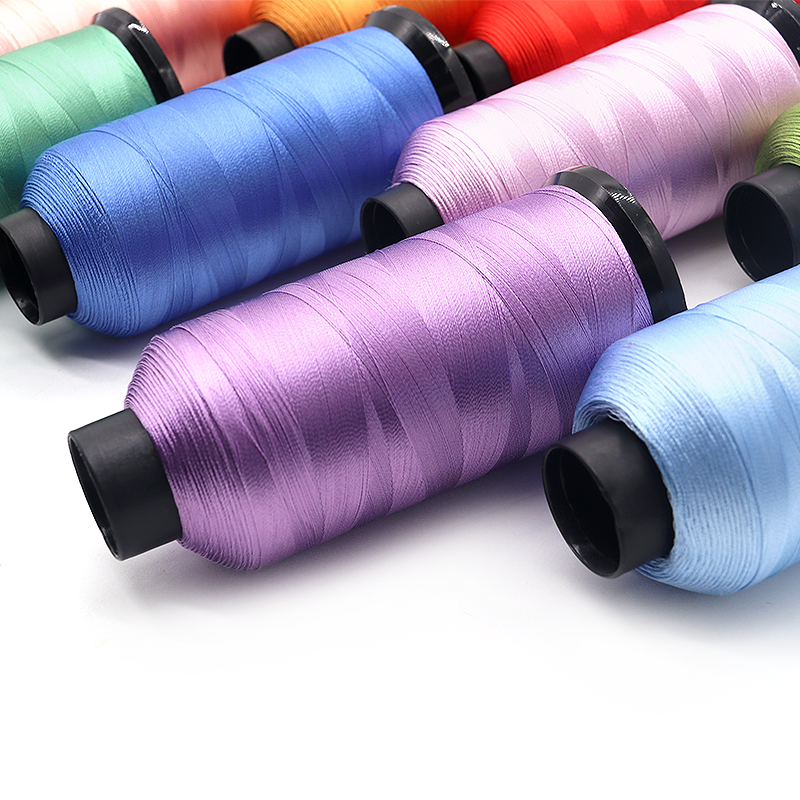
Professional upholsterers understand that selecting the right thread can make the difference between a durable, long-lasting piece and one that fails prematurely. Among the various thread materials available, nylon thread has emerged as a preferred choice for upholstery applications due to its exceptional strength, durability, and versatility. This synthetic thread offers unique properties that make it particularly well-suited for the demanding requirements of furniture construction and repair work.
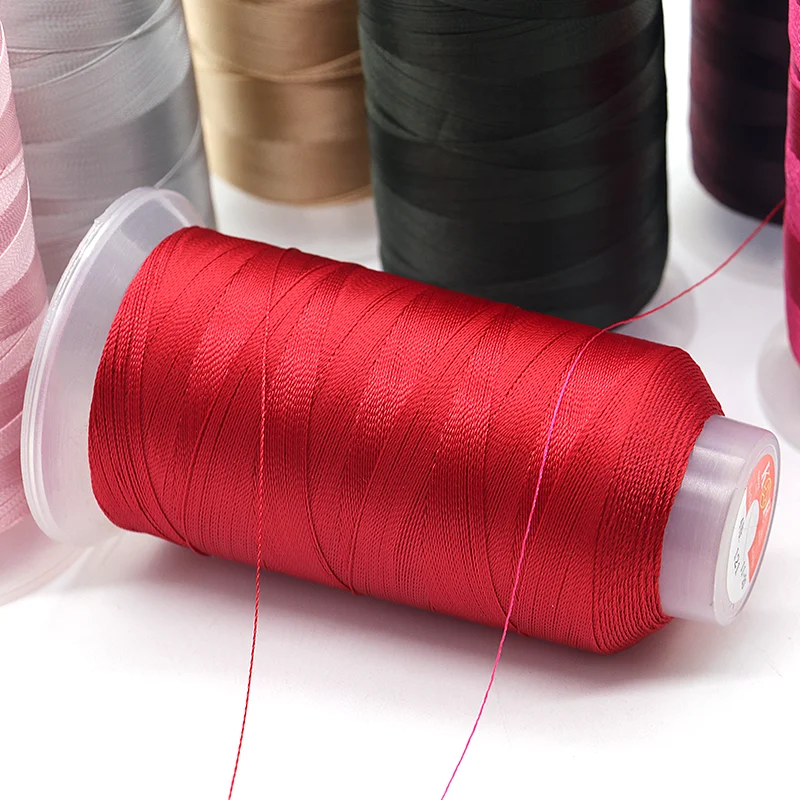
The upholstery industry demands threads that can withstand constant stress, environmental factors, and repeated use without compromising the integrity of the finished product. Professional craftsmen increasingly turn to nylon thread because it consistently delivers the performance characteristics required for high-quality upholstery work. Understanding what makes this material so suitable requires examining its fundamental properties and how they translate into practical benefits for upholstery applications.
Fundamental Properties of Nylon Thread
Tensile Strength and Load-Bearing Capacity
The exceptional tensile strength of nylon thread forms the foundation of its suitability for upholstery applications. This synthetic material can withstand significant pulling forces without breaking, making it ideal for securing heavy fabrics to furniture frames. Professional upholsterers rely on this strength when working with dense materials like leather, vinyl, or heavy-duty canvas that require robust stitching to maintain structural integrity.
Load distribution is another critical factor where nylon thread excels. Unlike natural fiber threads that may concentrate stress at specific points, nylon thread distributes tension more evenly along its length. This characteristic prevents sudden failure and ensures that upholstered pieces can handle the dynamic loads encountered during normal use. The molecular structure of nylon allows it to stretch slightly under load before returning to its original length, providing a cushioning effect that protects both the thread and the surrounding fabric.
Chemical Resistance and Environmental Stability
Chemical resistance plays a vital role in upholstery longevity, and nylon thread demonstrates excellent performance in this area. Household cleaners, spot removers, and other chemicals commonly used in furniture maintenance have minimal impact on nylon thread integrity. This resistance ensures that routine cleaning and maintenance procedures will not compromise the structural stitching of upholstered pieces.
Environmental stability extends beyond chemical resistance to include factors like humidity, temperature fluctuations, and UV exposure. High-quality nylon thread maintains its properties across a wide range of environmental conditions, making it suitable for both indoor and outdoor upholstery applications. This stability is particularly important for furniture that may experience varying conditions throughout its service life.
Performance Advantages in Upholstery Applications
Seam Integrity and Durability
Seam integrity represents one of the most critical aspects of upholstery construction, and nylon thread consistently delivers superior performance in this area. The smooth surface of nylon thread allows for clean needle penetration with minimal fabric damage, creating tight, uniform stitches that resist loosening over time. This characteristic is particularly valuable when working with synthetic upholstery materials that might fray or tear with rougher thread types.
Long-term durability testing has demonstrated that nylon thread maintains its strength and appearance even after extended periods of stress and environmental exposure. Professional upholsterers report that furniture pieces constructed with quality nylon thread often outlast those made with alternative materials, providing better value for both craftsmen and end users.
Workability and Processing Characteristics
The processing characteristics of nylon thread contribute significantly to its popularity among professional upholsterers. The material feeds smoothly through sewing machines without causing tension issues or thread breaks that can interrupt workflow. This reliability is essential in commercial upholstery operations where efficiency and consistent quality are paramount concerns.
Thread visibility and appearance also play important roles in upholstery work, especially for decorative stitching or visible seams. Nylon thread accepts dyes well and maintains color consistency throughout the manufacturing process, allowing upholsterers to match thread colors precisely to fabric choices. The slight sheen characteristic of nylon thread can enhance the appearance of finished pieces when used appropriately.
Specific Applications in Upholstery Work
Heavy-Duty Furniture Construction
Heavy-duty furniture construction places extreme demands on thread materials, making nylon thread an obvious choice for these applications. Commercial furniture, automotive upholstery, and marine applications all benefit from the superior strength and environmental resistance that nylon thread provides. These applications often involve thick, tough materials that require strong, reliable stitching to maintain their structural integrity under heavy use.
Frame attachment represents another area where nylon thread excels in heavy-duty applications. Securing upholstery materials to wooden or metal frames requires threads that can handle both initial installation tension and the ongoing stresses of regular use. Nylon thread consistently performs well in these demanding applications, providing secure attachment that maintains its integrity over time.
Decorative and Topstitching Applications
Beyond structural applications, nylon thread offers excellent performance for decorative and topstitching work in upholstery projects. The material's ability to maintain consistent tension and appearance makes it ideal for visible stitching that enhances the aesthetic appeal of finished pieces. Professional upholsterers appreciate how nylon thread creates clean, uniform stitches that contribute to the overall quality appearance of their work.
Color retention in decorative applications is particularly important, as fading or color changes can significantly impact the appearance of finished furniture. Nylon thread demonstrates excellent colorfastness properties, maintaining its original appearance even when exposed to sunlight and other environmental factors that might cause natural fiber threads to fade or discolor.
Selection Criteria and Specifications
Weight and Size Considerations
Selecting the appropriate weight and size of nylon thread is crucial for achieving optimal results in upholstery applications. Heavier threads provide greater strength but may create bulky seams that affect the appearance and feel of finished pieces. Professional upholsterers must balance strength requirements with aesthetic considerations when choosing thread specifications for specific projects.
Thread weight designation systems can vary between manufacturers, making it important to understand the actual specifications rather than relying solely on numerical designations. Industry-standard sizing helps ensure consistency across different suppliers and projects, but careful attention to specifications remains essential for achieving desired results.
UV Resistance and Outdoor Applications
UV resistance represents a critical factor for outdoor upholstery applications, and specially treated nylon thread offers excellent performance in these demanding environments. Outdoor furniture, boat cushions, and patio furniture all benefit from UV-resistant nylon thread that maintains its strength and appearance despite prolonged sun exposure.
The molecular structure of UV-resistant nylon thread includes additives that absorb or reflect harmful ultraviolet radiation, preventing the photodegradation that can weaken untreated threads. This protection extends the service life of outdoor upholstery significantly, making it an economical choice for applications where thread failure would require expensive repairs or replacement.
Comparison with Alternative Thread Materials
Natural Fiber Thread Alternatives
Cotton and other natural fiber threads have traditionally been used in upholstery applications, but they offer different performance characteristics compared to nylon thread. Natural fibers generally provide good breathability and may feel more comfortable against skin, but they typically lack the strength and environmental resistance that nylon thread provides. Professional upholsterers often reserve natural fiber threads for specific applications where their unique properties are advantageous.
Moisture sensitivity represents a significant limitation of natural fiber threads in many upholstery applications. These materials can weaken when exposed to high humidity or moisture, potentially compromising the integrity of upholstered pieces in challenging environments. Nylon thread maintains its properties regardless of moisture levels, providing more reliable performance across diverse conditions.
Polyester Thread Comparison
Polyester thread offers another synthetic alternative to nylon thread, with its own set of advantages and limitations. While polyester provides good strength and chemical resistance, it typically lacks the elasticity and toughness that make nylon thread particularly suitable for upholstery applications. The choice between these materials often depends on specific application requirements and performance priorities.
Cost considerations also play a role in material selection, with both nylon thread and polyester thread offering economical alternatives to specialty threads. However, the superior performance characteristics of nylon thread in upholstery applications often justify any modest cost premium, especially in commercial or high-quality applications where thread failure would be particularly costly.
Best Practices for Working with Nylon Thread
Machine Setup and Tension Adjustment
Proper machine setup is essential for achieving optimal results when working with nylon thread in upholstery applications. Thread tension must be carefully adjusted to accommodate the unique characteristics of nylon thread, ensuring smooth feeding without creating excessive tension that might cause thread breaks or fabric puckering. Professional upholsterers develop specific setup procedures for different nylon thread weights and applications.
Needle selection also impacts performance when working with nylon thread. The smooth surface and strength of nylon thread require needles that can penetrate fabric cleanly without causing excessive friction or heat buildup. Using appropriate needle types and sizes helps ensure consistent stitch quality and prevents problems that might compromise finished work.
Storage and Handling Considerations
Proper storage and handling of nylon thread helps maintain its performance characteristics and extends its useful life. While nylon thread is generally stable, exposure to extreme temperatures or direct sunlight during storage can affect its properties. Professional upholsterers maintain organized storage systems that protect thread inventory from environmental factors that might compromise its quality.
Inventory rotation practices help ensure that older thread is used before it has an opportunity to degrade, maintaining consistent quality across all projects. Although nylon thread has excellent shelf life compared to natural fiber alternatives, proper inventory management still contributes to overall quality control in professional upholstery operations.
FAQ
How does nylon thread compare to cotton thread for upholstery strength?
Nylon thread significantly outperforms cotton thread in terms of tensile strength and durability for upholstery applications. While cotton thread may be adequate for lightweight fabrics and low-stress applications, nylon thread provides the superior strength required for heavy-duty upholstery work, leather goods, and furniture that will experience regular use. The synthetic nature of nylon thread also provides better resistance to moisture, chemicals, and environmental factors that can weaken natural fiber threads over time.
Can nylon thread be used with all types of sewing machines?
Most modern sewing machines can accommodate nylon thread with proper setup and adjustment. However, achieving optimal results requires attention to thread tension, needle selection, and machine settings. Heavy-duty or industrial sewing machines typically provide the best performance with nylon thread, especially for thick upholstery materials. Home sewing machines may require more careful adjustment and may be limited in the weight of nylon thread they can handle effectively.
What thread weight is best for typical upholstery projects?
Thread weight selection depends on the specific upholstery application and material thickness. For general upholstery work with medium-weight fabrics, thread weights in the range of 69 to 92 are commonly used. Heavier materials like leather or vinyl may require heavier threads, while decorative topstitching might use even heavier weights for visual impact. Professional upholsterers often maintain several different weights to match thread selection to specific project requirements.
How important is UV resistance for indoor upholstery applications?
While UV resistance is most critical for outdoor applications, it can provide benefits even for indoor upholstery, especially for furniture placed near windows or in bright rooms. UV-resistant nylon thread helps maintain thread integrity and color stability over time, contributing to the longevity of upholstered pieces. For purely indoor applications with minimal sun exposure, standard nylon thread may be adequate, but UV-resistant options provide additional protection with minimal cost increase.