 EN
EN

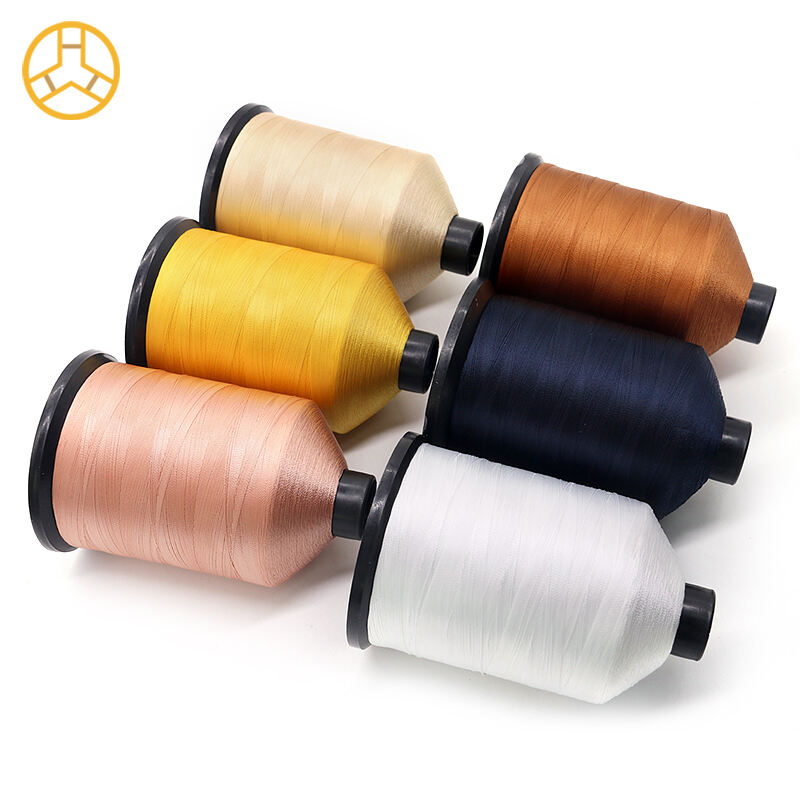
In the world of textile manufacturing and garment construction, thread stability plays a crucial role in determining the quality and longevity of finished products. Among various fiber options available today, polyester thread has emerged as a dominant choice for manufacturers seeking consistent performance and dimensional stability. Understanding the shrinkage and stretch resistance properties of polyester thread becomes essential for professionals working across industries from fashion to automotive upholstery, where fabric integrity directly impacts product success.
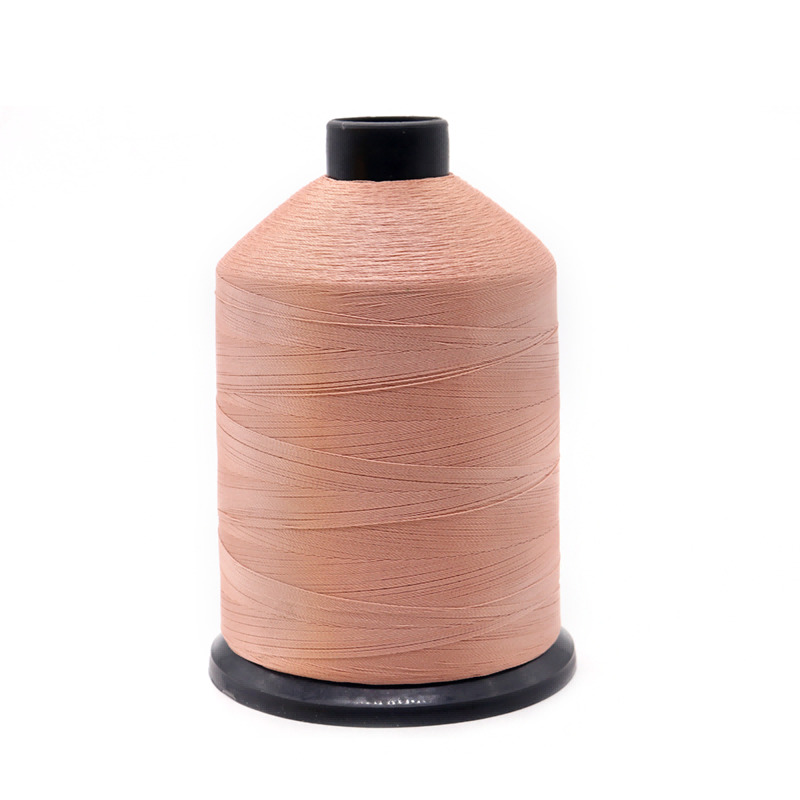
The dimensional stability of sewing threads significantly affects seam quality, garment fit, and overall product durability. When threads shrink or stretch excessively, they can cause puckering, distortion, or complete seam failure. This makes thread selection a critical decision point in manufacturing processes where consistent results are paramount.
Understanding Polyester Fiber Characteristics
Molecular Structure and Stability
Polyester fibers possess a unique molecular structure that contributes to their exceptional dimensional stability. The polymer chains in polyester are highly organized and crystalline, creating strong intermolecular bonds that resist deformation under normal conditions. This crystalline structure provides inherent resistance to both shrinkage and stretching, making polyester thread an ideal choice for applications requiring consistent performance.
The manufacturing process of polyester involves drawing the fibers under controlled conditions, which aligns the polymer chains and increases their orientation. This orientation contributes to the thread's strength and dimensional stability, reducing the likelihood of unwanted changes in length or width during use or washing.
Thermal Properties and Heat Resistance
One of the most significant advantages of polyester thread is its exceptional thermal stability. Unlike natural fibers that can shrink dramatically when exposed to heat, polyester maintains its dimensions across a wide temperature range. The glass transition temperature of polyester is approximately 70-80°C, well above typical washing and drying temperatures encountered in normal use.
This thermal resistance means that garments sewn with polyester thread maintain their shape and fit even after repeated washing cycles at high temperatures. The thread itself does not contribute to garment distortion, allowing the fabric characteristics to determine the final dimensional stability of the finished product.
Shrinkage Resistance Properties
Comparative Analysis with Natural Fibers
When compared to cotton or wool threads, polyester demonstrates superior shrinkage resistance. Cotton thread can shrink by 3-5% when exposed to hot water and heat, while wool can experience even greater dimensional changes. Polyester thread, in contrast, typically exhibits less than 1% shrinkage under similar conditions, making it the preferred choice for manufacturers requiring predictable results.
This low shrinkage characteristic is particularly valuable in garment manufacturing, where consistent fit across production runs is essential. Using polyester thread helps ensure that seams maintain their intended length and positioning throughout the product lifecycle.
Processing Conditions and Shrinkage Control
The manufacturing process of polyester thread includes heat-setting procedures that pre-shrink the fibers and stabilize their dimensions. During production, the thread is exposed to controlled heat and tension conditions that remove any residual shrinkage potential. This pre-treatment ensures that the finished thread maintains dimensional stability in end-use applications.
Quality polyester thread manufacturers implement strict process controls to minimize variability in shrinkage characteristics. These controls include precise temperature management during drawing and heat-setting operations, consistent tension application, and thorough testing of finished products to verify dimensional stability performance.
Stretch Resistance and Recovery
Elastic Properties and Deformation Resistance
Polyester thread exhibits excellent resistance to permanent stretching, thanks to its crystalline structure and strong intermolecular forces. While the thread may experience temporary elongation under stress, it typically returns to its original length when the load is removed. This elastic recovery property is crucial for maintaining seam integrity in garments subjected to repeated stress and movement.
The stretch resistance of polyester thread is particularly important in applications such as athletic wear, workwear, and upholstery, where the thread must withstand significant mechanical stress without permanent deformation. The thread's ability to maintain its original dimensions under load ensures that seams remain secure and functional throughout the product's service life.
Tenacity and Breaking Strength Considerations
High-quality polyester thread combines stretch resistance with excellent tensile strength. The tenacity of polyester fibers, typically ranging from 4-7 grams per denier, provides the mechanical properties necessary to resist both stretching and breaking under normal use conditions. This strength-to-weight ratio makes polyester thread particularly suitable for heavy-duty applications.
The relationship between thread strength and stretch resistance is critical in determining appropriate thread selection for specific applications. Stronger polyester thread formulations offer enhanced resistance to permanent deformation while maintaining the flexibility needed for effective sewing operations.
Industrial Applications and Performance Benefits
Garment Manufacturing Advantages
In commercial garment production, the dimensional stability of polyester thread translates to significant operational benefits. Manufacturers can predict and control the final dimensions of sewn products with greater accuracy, reducing waste and improving quality consistency. The thread's resistance to shrinking and stretching also minimizes the need for post-production adjustments or repairs.
The reliability of polyester thread performance allows manufacturers to optimize their production processes, knowing that thread-related dimensional changes will be minimal. This predictability is particularly valuable in mass production environments where even small variations can result in significant quality issues or increased costs.
Technical Textile Applications
Beyond traditional garment manufacturing, polyester thread finds extensive use in technical textile applications where dimensional stability is paramount. Industrial sewing operations, automotive upholstery, marine applications, and outdoor equipment manufacturing all benefit from the consistent performance characteristics of polyester thread.
In these demanding applications, the thread must maintain its integrity under extreme conditions including temperature variations, moisture exposure, and mechanical stress. The inherent stability of polyester thread makes it an ideal choice for applications where failure is not acceptable and long-term performance is required.
Quality Factors and Selection Criteria
Manufacturing Quality Standards
Not all polyester thread products offer identical shrinkage and stretch resistance properties. Manufacturing quality, raw material selection, and process controls significantly influence the final performance characteristics. High-quality polyester thread undergoes rigorous testing to verify dimensional stability under various conditions.
Professional manufacturers typically provide detailed specifications including shrinkage percentages, elongation values, and breaking strength data. These specifications allow users to select the most appropriate polyester thread for their specific application requirements, ensuring optimal performance in the finished product.
Testing Methods and Performance Verification
Standard testing methods such as ASTM D204 for thread shrinkage and ASTM D2256 for tensile properties provide objective measures of polyester thread performance. These tests evaluate the thread's behavior under controlled conditions, providing data that can be used to predict real-world performance.
Regular testing of incoming thread shipments helps manufacturers maintain consistent quality in their production processes. By verifying that polyester thread meets specified shrinkage and stretch resistance criteria, manufacturers can avoid potential quality issues and ensure predictable product performance.
Environmental Factors and Long-term Stability
Chemical Resistance and Durability
Polyester thread demonstrates excellent resistance to most common chemicals encountered in textile care and industrial applications. This chemical resistance contributes to long-term dimensional stability by preventing fiber degradation that could lead to shrinkage or loss of stretch resistance over time.
The inherent chemical stability of polyester means that the thread maintains its dimensional properties even after exposure to detergents, bleaches, and other common chemicals. This durability ensures that products sewn with polyester thread continue to perform as expected throughout their intended service life.
UV Resistance and Outdoor Performance
For applications involving outdoor exposure, polyester thread offers superior UV resistance compared to many natural fiber alternatives. While prolonged UV exposure can eventually affect any textile material, high-quality polyester thread maintains its dimensional stability far longer than cotton or other natural fiber threads.
This UV resistance is particularly important in applications such as outdoor furniture, awnings, and marine textiles, where the thread must maintain its integrity under constant sun exposure. The dimensional stability of polyester thread remains largely unaffected by UV exposure for extended periods, making it the preferred choice for outdoor applications.
FAQ
How much shrinkage can be expected from polyester thread during washing
High-quality polyester thread typically exhibits less than 1% shrinkage when subjected to normal washing conditions, including hot water temperatures up to 60°C. This minimal shrinkage is significantly lower than natural fiber alternatives and remains consistent across multiple wash cycles. The pre-treatment processes used in polyester thread manufacturing effectively eliminate most residual shrinkage potential, ensuring dimensional stability throughout the product lifecycle.
Does polyester thread stretch permanently under heavy load conditions
Polyester thread demonstrates excellent elastic recovery properties, meaning it returns to its original length after stress removal in most cases. While temporary elongation may occur under heavy loads, permanent stretching is minimal when the thread is used within its specified strength parameters. The crystalline structure of polyester fibers provides inherent resistance to permanent deformation, making it suitable for applications requiring long-term dimensional stability.
What factors affect the shrinkage resistance of polyester thread
The shrinkage resistance of polyester thread depends primarily on manufacturing quality, heat-setting processes, and raw material characteristics. Properly heat-set polyester thread exhibits superior dimensional stability compared to inadequately processed alternatives. Manufacturing parameters such as drawing temperature, tension control, and cooling rates all influence the final shrinkage characteristics. Additionally, the molecular weight and crystallinity of the base polyester resin affect long-term dimensional stability.
How does polyester thread compare to nylon for stretch resistance
While both polyester and nylon threads offer good dimensional stability, polyester generally provides superior stretch resistance under normal conditions. Nylon has higher elasticity and may experience more temporary elongation under load, though both materials typically recover well. Polyester's lower moisture absorption also contributes to more consistent dimensional behavior across varying humidity conditions, making it the preferred choice when minimal stretch variation is critical for application success.