 EN
EN

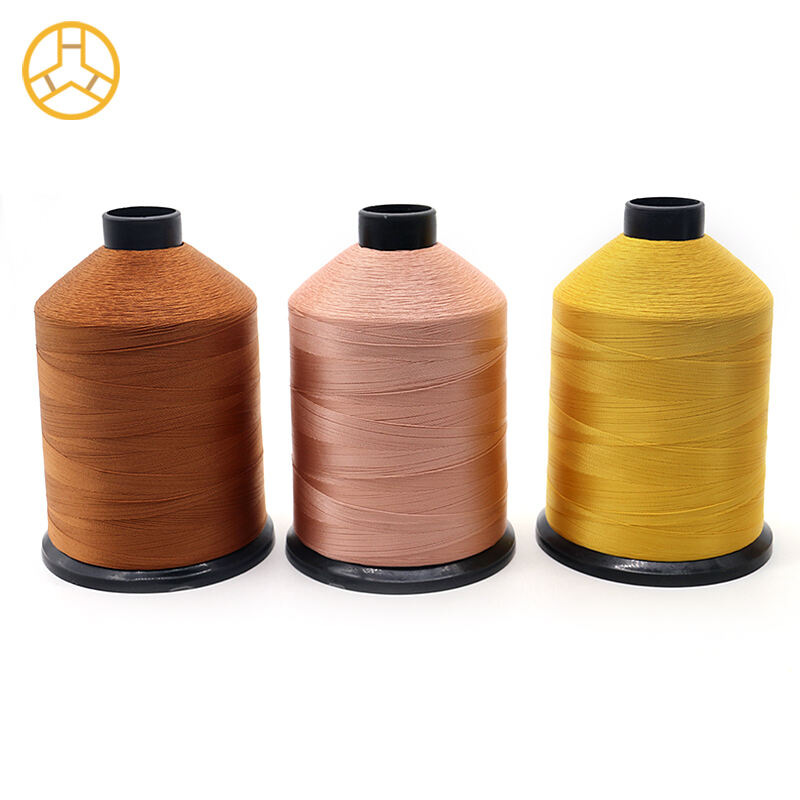
Maintaining vibrant embroidery thread colors is essential for creating stunning needlework that stands the test of time. Professional embroiderers and craft enthusiasts alike face the frustrating challenge of color fading, which can diminish the visual impact of their carefully crafted projects. Understanding the science behind color degradation and implementing proper prevention techniques ensures your embroidery remains as brilliant as the day it was completed. The longevity of embroidery thread colors depends on multiple factors including fiber quality, dye processes, storage conditions, and post-completion care methods.
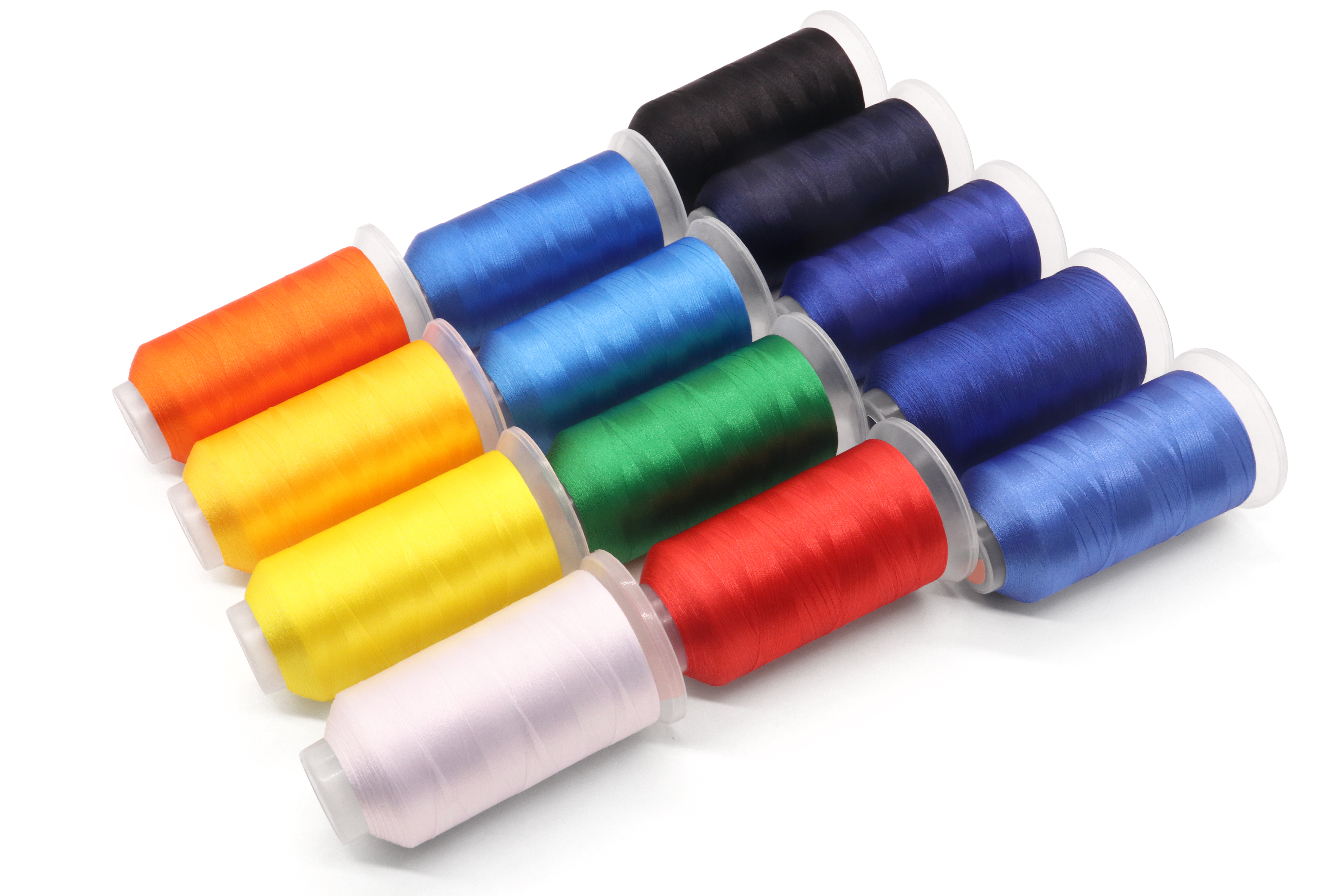
Understanding Color Fading Mechanisms
Chemical Breakdown of Dyes
The fading process begins at the molecular level when dye molecules absorb ultraviolet radiation from sunlight or artificial lighting. This absorption causes chemical bonds within the dye structure to break down, leading to irreversible color changes. Different dye types exhibit varying levels of lightfastness, with synthetic dyes generally offering superior resistance compared to natural alternatives. Understanding these chemical processes helps embroiderers make informed decisions about thread selection and project placement.
Oxidation represents another significant threat to color stability, occurring when oxygen molecules interact with dye compounds over time. This process accelerates in the presence of heat, humidity, and certain atmospheric pollutants. Professional conservators recognize oxidation as a primary cause of color shift in historical textiles, making prevention strategies crucial for long-term preservation.
Environmental Factors Contributing to Fading
Light exposure remains the most destructive environmental factor affecting thread colors, with both visible and ultraviolet wavelengths contributing to degradation. Direct sunlight contains the highest concentration of damaging UV rays, but even indoor lighting can cause cumulative damage over extended periods. The intensity and duration of light exposure create a compounding effect that accelerates the fading process significantly.
Temperature fluctuations and humidity levels create additional stress on dye molecules, causing expansion and contraction that weakens chemical bonds. High humidity environments promote chemical reactions that alter color compounds, while excessive heat accelerates all degradation processes. These environmental factors work synergistically, meaning their combined impact exceeds the sum of their individual effects.
Thread Quality and Composition Analysis
Fiber Types and Color Retention
Cotton threads demonstrate excellent color retention when properly treated with high-quality dyes, making them a preferred choice for many embroidery applications. The natural fiber structure provides good dye absorption and retention characteristics, particularly when mercerized to enhance luster and strength. However, untreated cotton fibers may be more susceptible to fading compared to synthetic alternatives.
Polyester threads offer superior colorfastness due to their synthetic composition and advanced dye bonding techniques used in manufacturing. The polymer structure creates stronger molecular bonds with synthetic dyes, resulting in enhanced resistance to fading and washing. Many professional embroiderers prefer polyester threads for projects requiring long-term color stability.
Manufacturing Standards and Quality Control
Reputable thread manufacturers implement rigorous testing protocols to ensure consistent color performance across production batches. These tests evaluate lightfastness ratings, wash fastness, and color bleeding resistance under standardized conditions. Quality control measures include spectrophotometric analysis to verify color accuracy and accelerated aging tests to predict long-term performance.
Premium thread producers invest in advanced dyeing technologies and quality raw materials to achieve superior color stability. The manufacturing process includes multiple quality checkpoints where embroidery thread colors undergo comprehensive testing for consistency and durability. These investments in quality control translate directly into better performance for end users.
Proper Storage Techniques
Light Protection Strategies
Implementing effective light protection begins with selecting appropriate storage locations away from windows and direct sunlight exposure. Dark, enclosed spaces such as dedicated craft cabinets or opaque storage containers provide optimal protection against harmful UV radiation. Even brief exposure to intense sunlight can initiate fading processes that continue long after removal from the light source.
UV-filtering materials offer additional protection for thread storage systems, blocking harmful wavelengths while allowing visual inspection when necessary. Specialized storage boxes designed for textile preservation incorporate UV-resistant materials and light-blocking seals to create optimal protection environments. These professional-grade solutions prove especially valuable for extensive thread collections or valuable vintage threads.
Climate Control and Organization
Maintaining stable temperature and humidity levels prevents the environmental stress that contributes to color degradation over time. Ideal storage conditions include temperatures between 65-70°F with relative humidity levels maintained at 45-55 percent. Extreme fluctuations in either parameter create expansion and contraction cycles that weaken dye bonds and accelerate aging processes.
Proper organization systems facilitate easy access while minimizing handling and exposure time during thread selection. Color-coded storage methods allow quick identification without prolonged searching that exposes entire collections to light. Individual thread packaging or wrapping provides additional protection against dust, moisture, and accidental damage during storage and retrieval.
Washing and Care Protocols
Pre-Treatment Considerations
Testing colorfastness before beginning any embroidery project prevents disappointing results and potential damage to base fabrics. Simple testing involves dampening a small thread sample and pressing it against white fabric to check for color bleeding. This preliminary assessment helps identify potentially problematic threads that require special handling or alternative selection.
Color-setting treatments can enhance the stability of embroidery thread colors before use, particularly for threads of questionable quality or unknown origin. Commercial color-setting products work by creating additional chemical bonds that resist washing and environmental degradation. These treatments prove especially valuable for vintage or specialty threads where replacement options may be limited.
Washing Techniques and Water Chemistry
Cold water washing significantly reduces the risk of color bleeding and fading compared to hot water methods. Lower temperatures minimize molecular activity that can break dye bonds or cause color migration between threads. Professional textile conservators routinely use cold water techniques to preserve historical embroideries and maintain original color integrity.
Water chemistry plays a crucial role in color preservation, with pH levels and mineral content affecting dye stability during washing. Soft water generally provides better results than hard water, which contains minerals that can react with dye compounds. Adding appropriate water conditioners or using distilled water eliminates these variables and ensures consistent washing results.
Display and Environmental Management
Strategic Placement and Rotation
Positioning finished embroidery projects away from windows and direct light sources dramatically extends their color lifespan and visual appeal. Interior walls opposite windows typically receive the least harmful light exposure while still allowing projects to be enjoyed and appreciated. Strategic placement considers both aesthetic requirements and preservation needs for optimal long-term results.
Implementing rotation schedules for displayed pieces allows equal exposure distribution and prevents localized fading in high-visibility locations. This practice proves particularly important for collections where multiple pieces share similar display spaces. Professional museums and galleries routinely employ rotation strategies to preserve their textile collections while maintaining public accessibility.
Protective Framing and Glazing
UV-filtering glazing materials provide effective protection against harmful radiation while maintaining visual clarity for display purposes. These specialized glass or acrylic products block up to 99 percent of UV wavelengths without affecting visible light transmission. The investment in protective glazing pays dividends through extended color life and reduced maintenance requirements.
Proper framing techniques create beneficial microclimates that buffer against environmental fluctuations and provide additional protection layers. Acid-free materials prevent chemical reactions that could affect thread colors over time. Professional framing for valuable embroidery includes vapor barriers and climate buffering materials that enhance long-term preservation outcomes.
FAQ
How long do embroidery thread colors typically last before showing signs of fading
The lifespan of embroidery thread colors varies significantly based on thread quality, environmental conditions, and care practices. High-quality synthetic threads can maintain their original vibrancy for decades when properly stored and displayed, while lower-grade threads may show fading within months of exposure to harsh conditions. Premium cotton threads with superior dye processes typically retain their colors for 10-20 years under normal indoor conditions. Proper storage away from light and implementation of protective measures can extend color life indefinitely for most quality threads.
Can faded embroidery thread colors be restored to their original brightness
Unfortunately, faded embroidery thread colors cannot be restored to their original state once the chemical breakdown of dyes has occurred. The molecular changes that cause fading are irreversible, making prevention the only effective strategy for maintaining color integrity. Some temporary enhancement techniques exist, such as careful steaming or specialized textile treatments, but these methods cannot recreate the original chemical composition of the dyes. The best approach involves preventing fading through proper storage, display, and care techniques rather than attempting restoration after damage has occurred.
Are natural or synthetic threads better for preventing color fading
Synthetic threads generally offer superior resistance to fading compared to natural fiber alternatives due to advanced manufacturing processes and stronger dye bonding capabilities. Polyester and rayon threads typically demonstrate excellent lightfastness and color retention under normal use conditions. However, high-quality natural threads treated with modern dye processes can also provide excellent color stability when properly cared for. The key factor is thread quality and manufacturing standards rather than fiber type alone, with premium options in both categories offering reliable performance for long-term projects.
What lighting conditions are safest for displaying embroidery work
LED lighting with low UV output provides the safest illumination for displaying embroidery while maintaining good visibility of thread colors and details. Indirect lighting that reflects off walls or ceilings reduces the intensity of light hitting the embroidery surface directly. Recommended light levels for textile display range from 50-150 lux, significantly lower than typical room lighting but sufficient for comfortable viewing. Timer-controlled lighting systems that limit exposure duration offer additional protection while maintaining accessibility for viewing and appreciation of the embroidered pieces.